


 1993
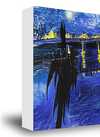
1993 31.0 x 25.0 cm
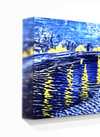
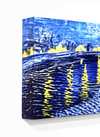
Ručně malovaná olejná barva na plátně ve vašem zvoleném rozměru i s rámem, vyrobená našimi umělci na zakázku. ( Přepnout na tisk Přepnout na obrázek)
Vyberte si z našich přednastavených velikostí, které odpovídají původním proporcím díla.

Můžete zadat vlastní rozměry pro konkrétní rám nebo prostor. Pokud se vámi vybraná velikost neshoduje s proporcemi původního obrazu, dílo buď ořízneme, nebo jej doplníme ručně malovanými prvky. Před zahájením výroby vám bude zaslán digitální náhled ke schválení.
Upozorňujeme, že náhled na obrazovce neodpovídá skutečnému ořezu ani rozšíření. Pouze digitální náhled přesně zobrazí finální kompozici.
Ačkoliv je možné zvolit vlastní velikost, pro zachování původních proporcí doporučujeme vybrat rozměr z předdefinovaného seznamu.
Celosvětová doprava () za 3–4 týdny namísto standardních 5 týdnů. (30 červenec). Bez kompromisů v kvalitě.


THE PILOT
Rozměry reprodukce
Jörg Immendorff, born in 1945 in Bleckede, Lower Saxony, emerged from the fractured landscape of post-World War II Germany—a context that would indelibly shape his artistic vision. The early departure of his father cast a long shadow, fostering a sense of emotional distance and inadequacy that resonated throughout his life and work. This personal trauma became a catalyst for exploring themes of identity, belonging, and the weight of history. Immendorff’s initial foray into the art world began at sixteen with an exhibition in a Bonn jazz cellar, a modest beginning hinting at the provocative path ahead. His formal training commenced in 1963 at the prestigious Kunstakademie Düsseldorf, initially under the tutelage of theater designer Teo Otto. However, Immendorff’s rebellious spirit and refusal to compromise his artistic integrity led to a swift expulsion from Otto's class—a pivotal moment that propelled him towards the mentorship of the iconoclastic Joseph Beuys.
Immendorff’s time with Beuys was transformative, yet his inherent contrarianism and fervent political activism ultimately led to another expulsion from the academy. This rejection fueled a period of intense experimentation and defiance. From 1969 to 1980, he navigated a dual existence as an art teacher and a free artist, accepting visiting professorships across Europe while simultaneously challenging conventional artistic boundaries. It was during this time that Immendorff founded the “LIDL Academy,” a deliberately provocative gesture mocking the elitism of established art institutions. The name itself—inspired by the sound of a child’s rattle—underscored his fascination with new beginnings and innocence, contrasting sharply with the complexities of postwar German society. The LIDL project wasn't a formal group but rather a constellation of artists – including James Lee Byars, Marcel Broodthaers, and Nam June Paik – engaging in actions that ridiculed artistic pretension. His early work incorporated sculptures, performances, and documents alongside paintings, all imbued with a playful yet subversive energy.
The late 1970s marked a turning point in Immendorff’s career with the creation of his renowned *Café Deutschland* series. Inspired by Renato Guttuso’s *Caffè Greco*, these sixteen large-scale paintings transformed nightclubs into vibrant stages for exploring Germany's fractured cultural and political landscape. These weren’t mere depictions of scenes; they were elaborate tableaux vivants populated with a cast of historical figures—from Adolf Hitler to Otto Dix—engaged in chaotic, often unsettling interactions. The series served as a poignant reflection on the division between East and West Germany, grappling with themes of guilt, memory, and national identity. The paintings are characterized by expressive realism, caricature, and symbolic imagery, creating a visually arresting and emotionally charged experience for the viewer. Immendorff’s masterful use of color and composition draws the eye into these complex narratives, inviting contemplation on the enduring legacy of Germany's past.
Immendorff consistently worked in what he termed “grand cycles of paintings,” ambitious projects that spanned years and were deeply rooted in political commentary. Beyond *LIDL* and *Café Deutschland*, notable series included the *Maoist Paintings* and *The Rake’s Progress*. These weren't simply artistic statements; they were attempts to engage directly with the pressing social and ideological issues of his time. His work often reflected a profound inner conflict—a tension between his desire for artistic expression and his commitment to political activism. He questioned the efficacy of art as a tool for change, famously asking in one painting, “Can one change anything with these?” Despite this skepticism, Immendorff continued to use his art as a platform for challenging established norms and provoking critical dialogue.
Jörg Immendorff’s return to the Düsseldorf Art Academy—the institution that had once dismissed him—in 1996 solidified his position as a leading figure in contemporary German art. He mentored a new generation of artists, including Oda Jaune and Renata Jaworska, passing on his rebellious spirit and commitment to artistic innovation. Immendorff’s work remains profoundly relevant today, offering a powerful commentary on the complexities of identity, memory, and political engagement. His willingness to confront difficult truths and challenge conventional boundaries continues to inspire artists and viewers alike. He left behind a body of work that is not only visually striking but also intellectually stimulating—a testament to his enduring legacy as one of Germany’s most provocative and important painters.

1945 - 2007


Buďte na tahu s nejnovějšími novinkami ze světa umění, exkluzivními nabídkami a inspirativními nápady na dekoraci.
Sdělte nám více o svém projektu a naši odborníci na umění vám připraví 3 personalizované návrhy uměleckých děl.
Nechť pro vás vybereme 3 možnosti – zdarma!


 Náhled
 Sdílet
 Sdílet
 Podrobnosti o díle

 Stáhnout
 Podobné položky
 Rentgenové snímky
 Slideshow
 Zobrazit více
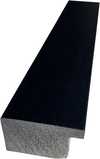
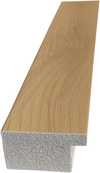
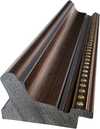
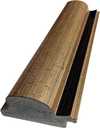
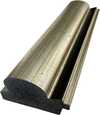
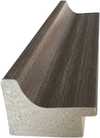
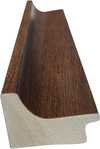
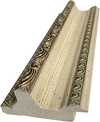
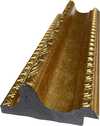
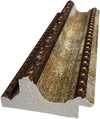
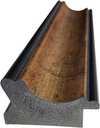
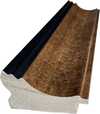
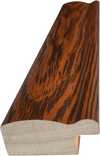
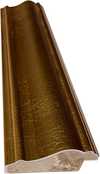
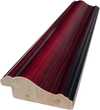
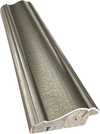
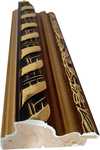
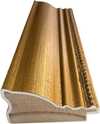
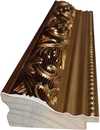
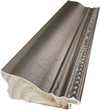
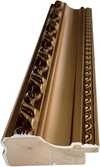
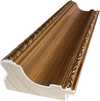
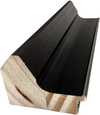
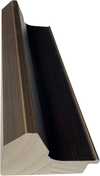
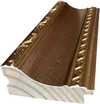
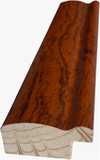
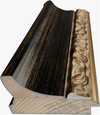
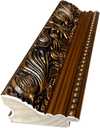
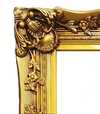
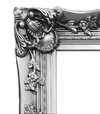
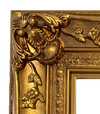
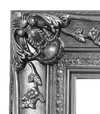
 Skleněná varianta je dostupná pouze u rozměrů menších než 110 cm


