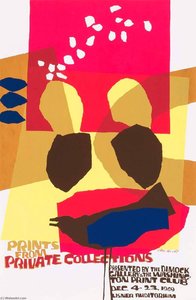
Social Realism
 27.0 x 33.0 cm
Koupě vysoce rozlišeného, vylepšeného digitálního obrazu, který je mnohem kvalitnější než online náhled.
Každý soubor je pečlivě připraven našimi odborníky pomocí pokročilých nástrojů a expertní manuální retuše. Zajišťujeme, aby každý obraz disponoval výjimečnou ostrostí, přesnou barevnou věrností a jemnými detaily.
Finální soubor vám bude do 72 hodin zaslán e-mailem, optimalizovaný pro okamžité použití v profesionálním, redakčním i tiskovém prostředí. Nabízíme stejnou kvalitu, které důvěřují špičková designová studia, nakladatelství i galerie.
Stáhněte si soubor ve vysokém rozlišení pro osobní prohlížení, tisk a kreativní projekty. ( Koupit tisk Koupit ručně malovaný obraz)
Když si vyberete BuyPopArt.com, nezískáváte pouze obrázek – získáváte digitální umělecké dílo s profesionálně vylepšenými detaily, zpracované s precizností a podpořené zárukou za spokojenost. Zde je vše, co vaše objednávka automaticky obsahuje:

Váš digitální obraz ve vysokém rozlišení vám bude zaslán e-mailem do 72 hodin od objednávky – připraven k okamžitému použití.

Vaše umělecké dílo je profesionálně optimalizováno pomocí pokročilých nástrojů umělé inteligence a manuální úpravy, což zajišťuje maximální úroveň detailu, ostrosti a přesnosti barev.

Soubor jste omylem smazali nebo ztratili? Žádný problém – kdykoliv vám ho znovu zašleme zcela zdarma.

Užijte si své umělecké dílo okamžitě bez celních poplatků, daní nebo nákladů na dopravu – digitální stažení je vždy bez daňových povinností.

Pomocí profesionálních nástrojů a správy barev zajišťujeme, aby váš digitální obraz odrážel původní barvy co nejvěrněji.

Pokud nebudete s digitální fotografií spokojeni, provedeme její revizi nebo vám vrátíme 100% během 60 dnů – bez jakýchkoliv dotazů.

Nespokojeni? Získejte plnou částku zpět do 60 dní od přijetí vašeho digitálního souboru – bez jakýchkoliv dotazů.

Koupěte si 3 obrazy, ušetřete 10% - Koupěte si 5, ušetřete 15% - Koupěte si 10+, ušetřete 20%. Ideální pro kreativní projekty, galerie a agentury.
Leonard Pytlak (1910-1998) wasn’t a name that frequently graces the headlines of art history, yet his work quietly holds a remarkable significance within the narrative of mid-20th century American art. Born in Newark, New Jersey, and nurtured by a keen eye for detail, Pytlak emerged as a pivotal figure in the realm of graphic arts, particularly through his contributions to the Works Progress Administration (WPA) and subsequent explorations of screenprinting. His legacy isn’t one of grand gestures or revolutionary movements, but rather a meticulous and deeply human portrayal of everyday American life – the bustling streets of New York City, the quiet moments within its tenements, and the resilient spirit of its working class.
Pytlak's artistic journey began with formal training at the Newark School of Fine and Industrial Art and further honed at the prestigious Art Students League in New York. It was here, amidst a vibrant community of artists, that he discovered his passion for printmaking, a medium perfectly suited to capturing the nuances of urban experience. The WPA, established during the Great Depression, provided him with an unprecedented opportunity – a lifeline and a platform to document the realities of the era. His work for the WPA wasn’t simply decorative; it was a vital record of a nation grappling with economic hardship and social change. He produced murals, lithographs, and screenprints that offered glimpses into the lives of ordinary people, from dockworkers and street vendors to factory laborers and tenement residents.
Pytlak’s association with the WPA was a defining period in his career. During this time, he became deeply involved in the Graphic Arts Division, contributing significantly to the production of over ninety-six prints. These works are not merely reproductions of scenes; they're imbued with a palpable sense of empathy and observation. Titles like “Back Alley,” “Bowery El-Theater,” and "Fall Day" aren’t just descriptive; they evoke specific atmospheres and narratives. His lithographs, often characterized by their meticulous detail and subtle tonal variations, captured the gritty beauty of New York City – its shadows, its textures, and its inhabitants.
Notably, Pytlak's work during this period aligns with the broader Ashcan School movement, though he possessed a unique sensibility. Like artists such as Robert Henri, he focused on depicting everyday life without romanticizing it. However, unlike the more overtly social commentary of some Ashcan painters, Pytlak’s prints often possess a quiet dignity and a sense of understated observation. His work also reflects the influence of WPA's emphasis on accessibility – creating art for the people, by the people.
Following his tenure with the WPA, Pytlak continued to explore printmaking, particularly through the development of screenprinting. He played a pioneering role in popularizing this technique as a viable medium for fine art, establishing the National Serigraph Society and collaborating with other artists like Hyman Warsager. Screenprinting allowed him greater control over color and texture, enabling him to create richer, more layered compositions. This shift marked a significant evolution in his artistic practice, moving beyond the traditional lithographic process.
His experimentation with screenprinting led to exhibitions at prestigious galleries such as Kennedy & Company and the ACA Gallery, solidifying his reputation within the art world. He also received recognition through Guggenheim Fellowships, further validating his artistic vision and commitment to innovation. His work during this period demonstrates a willingness to embrace new technologies while retaining a deep respect for traditional printmaking techniques.
Leonard Pytlak’s contribution to American art often remains understated, yet his legacy is substantial. His WPA prints provide invaluable insights into the social and economic realities of the Great Depression era, offering a poignant record of a nation in transition. Beyond their historical significance, Pytlak's works possess a remarkable aesthetic quality – a quiet beauty born from meticulous observation and a deep understanding of human experience. His exploration of urban landscapes and working-class life continues to resonate today, reminding us of the enduring power of art to document, interpret, and connect with the complexities of our shared history.
His work is now held in collections at institutions like the British Museum, the Smithsonian American Art Museum, and the Metropolitan Museum of Art, ensuring that his vision will continue to be appreciated for generations to come. Pytlak’s legacy isn't one of flamboyant displays or grand pronouncements; it’s a testament to the quiet power of observation, empathy, and artistic innovation.

1910 - 1998


Buďte na tahu s nejnovějšími novinkami ze světa umění, exkluzivními nabídkami a inspirativními nápady na dekoraci.
Sdělte nám více o svém projektu a naši odborníci na umění vám připraví 3 personalizované návrhy uměleckých děl.
Nechť pro vás vybereme 3 možnosti – zdarma!


 Náhled
 Sdílet
 Sdílet
 Podrobnosti o díle

 Stáhnout
 Podobné položky
 Rentgenové snímky
 Slideshow
 Zobrazit více