Giclée nebo plátěný tisk muzeální kvality s rychlou výrobou a flexibilními možnostmi povrchové úpravy. ( Přepnout na ručně malovanou reprodukci Přepnout na obrázek)





























Vyberte si z našich přednastavených velikostí, které odpovídají původním proporcím díla.

Můžete zadat vlastní rozměry tak, aby výtvor odpovídal konkrétnímu rámu nebo prostoru. Pokud zvolená velikost nebude odpovídat poměru stran původního obrazu, dílo buď ořížeme, nebo obraz rozšíříme pomocí zrcadlového efektu či jednobarevného okraje. Před zahájením výroby vám bude zaslán digitální náhled k schválení.
Mějte prosím na paměti, že náhled na obrazovce neodráží skutečné oříznutí nebo rozšíření. Pouze digitální náhled přesně zobrazí finální kompozici.
Ačkoliv jsou k dispozici i vlastní rozměry, pro zachování původních proporcí doporučujeme vybrat si rozměr z předdefinovaného seznamu.
Celosvětové doručení () do 2 týdnů namísto standardních 4/5 týdnů. (11 srpen)


David
Rozměry reprodukce
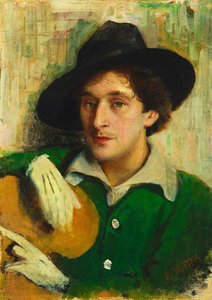
Marc Chagall’s “David,” painted in 1914, is not merely a depiction of a man with a guitar; it’s an immersion into the artist’s deeply personal world, a realm where reality dissolves into dream and memory. Born Moishe Shagal in 1887 in Liozna, Belarus – a town that would forever haunt his artistic imagination – Chagall established himself as one of the most distinctive voices of the early 20th century. This particular work exemplifies his signature style: a vibrant, almost hallucinatory blend of Cubist influences with deeply rooted Jewish folklore and a profound yearning for home. The painting immediately draws the eye to the central figure, a man seemingly lost in contemplation, cradling a guitar as if it were a precious relic. The bird perched upon the instrument adds another layer of symbolic richness, representing freedom, spirituality, and perhaps even the artist’s own restless spirit.
Beyond its formal qualities, “David” is laden with potent symbolism. The guitar itself represents music, a universal language of emotion and memory, but also perhaps a longing for connection to the past. The bird, frequently appearing in Chagall’s work, symbolizes freedom, spiritual aspiration, and the ability to transcend earthly limitations. The posture of the figure – gazing downwards, lost in thought – suggests introspection and a desire to recapture vanished moments. It's a scene that evokes a sense of melancholy beauty, reminiscent of biblical narratives and folk tales.
Painted in 1914, just as Europe was teetering on the brink of war, “David” reflects a world grappling with uncertainty. Chagall's art offered an escape from the anxieties of the era, transporting viewers to a realm of heightened emotion and imaginative possibility. This reproduction captures not only the visual impact of the original but also the profound emotional resonance that continues to captivate audiences today. It’s a testament to Chagall’s ability to transform personal memory into universal symbols, inviting us to contemplate our own place in time and the enduring power of dreams.
1887 - 1985 , Belorusko

Proměňte své cestovatelské fotografie v nadčasové olejomalby! Ručně malované obrazy na zakázku, které uchovají vaše vzpomínky a osobní prožitky. Investice do umění s garancí kvality a individuálního přístupu.

Objevte 10 legendárních olejů na plátně od Van Gogha, Moneta a Rembrandta. Ponořte se do příběhů mistrovských děl a inspirujte se pro váš interiér s reprodukcemi nejvyšší kvality. Prozkoumejte celou kolekci online na BuyPopArt.com!

Prozkoumejte 10 ikonických děl kubismu od Picassa, Braquea a dalších. Objevte příběhy za těmito revolučními obrazy a inspirujte se pro váš interiér s reprodukcemi nejvyšší kvality na BuyPopArt.com.

Prozkoumejte 10 ikonických děl kubismu a expresionismu od Picassa, Braquea a dalších. Objevte příběhy za uměleckými technikami a barevnými kompozicemi těchto mistrovských děl. Reprodukce obrazů pro váš interiér na BuyPopArt.com
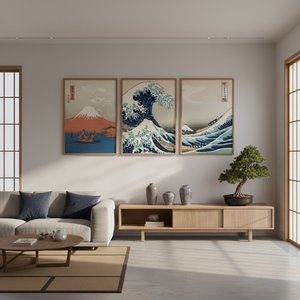
Prozkoumejte 25 ikonických děl japonského mistra Katsushiky Hokusaiho! Objevte příběhy za Velkou vlnou, 36 pohledů na horu Fuji a další ukiyo-e tisků. Kvalitní reprodukce obrazů pro váš interiér na BuyPopArt.com.


Buďte na tahu s nejnovějšími novinkami ze světa umění, exkluzivními nabídkami a inspirativními nápady na dekoraci.
Sdělte nám více o svém projektu a naši odborníci na umění vám připraví 3 personalizované návrhy uměleckých děl.
Nechť pro vás vybereme 3 možnosti – zdarma!


 Náhled
 Sdílet
 Sdílet
 Podrobnosti o díle

 Stáhnout
 Podobné položky
 Rentgenové snímky
 Slideshow

 Zobrazit více







 Skleněná varianta je dostupná pouze u rozměrů menších než 110 cm