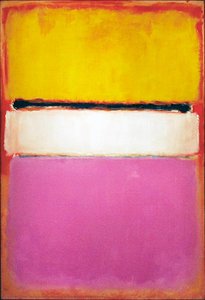
Acrylic On CanvasWallArtAbstract Expressionism
 1947Modern
 101.0 x 138.0 cm
Giclée nebo plátěný tisk muzeální kvality s rychlou výrobou a flexibilními možnostmi povrchové úpravy. ( Koupit ručně malovaný obraz Koupit obrázek)





























Vyberte si z našich přednastavených velikostí, které odpovídají původním proporcím díla.

Můžete zadat vlastní rozměry tak, aby výtvor odpovídal konkrétnímu rámu nebo prostoru. Pokud zvolená velikost nebude odpovídat poměru stran původního obrazu, dílo buď ořížeme, nebo obraz rozšíříme pomocí zrcadlového efektu či jednobarevného okraje. Před zahájením výroby vám bude zaslán digitální náhled k schválení.
Mějte prosím na paměti, že náhled na obrazovce neodráží skutečné oříznutí nebo rozšíření. Pouze digitální náhled přesně zobrazí finální kompozici.
Ačkoliv jsou k dispozici i vlastní rozměry, pro zachování původních proporcí doporučujeme vybrat si rozměr z předdefinovaného seznamu.
Celosvětové doručení () do 2 týdnů namísto standardních 4/5 týdnů. (21 srpen)


No. 3
Rozměry reprodukce
Mark Rothko’s ‘No. 3,’ painted in 1947, is more than just a canvas filled with color; it’s a profound exploration of human emotion, born from the artist’s own deeply personal experiences. Measuring 101 x 138 cm, this large-scale work exemplifies Rothko's signature style – monumental blocks of saturated color layered to create an intense and almost overwhelming sense of atmosphere. The painting immediately draws the viewer in with its central circular form, a deep blue backdrop pulsating with an inner light, while surrounding shapes—including stylized bird figures—add layers of complexity and contemplation. This piece represents a pivotal moment in Rothko’s artistic development, solidifying his commitment to expressing universal human experiences through abstract forms.
Understanding ‘No. 3’ requires acknowledging the formative influences shaping Rothko's worldview. Born in Dvinsk (now Daugavpils), Latvia, in 1903, he carried within him a legacy of displacement and hardship. His family’s emigration to Portland, Oregon, in 1913, following his father’s death, introduced him to a new culture while simultaneously exposing him to the profound grief of loss – a theme that would become central to his work. Rothko's early life was marked by instability and intellectual ferment, fostering a sensitivity to suffering and a preoccupation with existential questions. This background is palpable in ‘No. 3,’ where the seemingly simple arrangement of color evokes a sense of unease and introspection, mirroring the artist’s own struggles with mortality and meaning.
Rothko's technique was meticulously developed over years of experimentation. He employed a layering method, applying thin washes of oil paint that were allowed to bleed into one another, creating subtle gradations and shimmering effects. The dominant blues are not uniform; they shift in tone and intensity, suggesting depth and movement. The bird figures, rendered with simple geometric forms, serve as anchors within the swirling color fields, drawing the eye across the canvas. Their placement—one in the upper left corner, another in the lower right—creates a dynamic tension, preventing the composition from feeling static or overly contemplative. This careful orchestration of color and form is key to the painting’s emotional impact.
'No. 3' isn’t about literal representation; it’s about conveying profound emotions. The circular forms, often interpreted as representing the cosmos or the human soul, evoke a sense of both vastness and vulnerability. The birds, frequently recurring motifs in Rothko’s work, can be seen as symbols of hope, freedom, or perhaps even mourning – echoing his own experiences with loss and displacement. Ultimately, the painting invites viewers to confront their own anxieties about existence, mortality, and the search for solace within a chaotic world. It's a testament to Rothko's ability to tap into universal human emotions through the power of color and form.
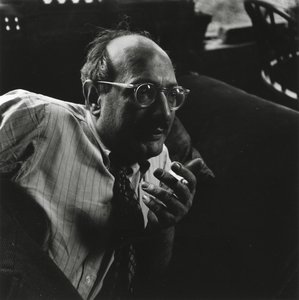
1903 - 1970 , Lotyšsko

Dive into the high-voltage world of Abstract Expressionism. Explore the raw energy of Action Painting and the legendary masters of the New York School through a visual journey of pure chaos and color. Discover how to bring bold, high-impact abstract art into your modern space.

Dive into the raw power of Abstract Expressionism. Explore the high-octane energy of action painting and color field mastery. Discover how these bold, visceral movements redefine modern interiors with high-impact, premium abstract art for the contemporary collector.

Command attention with the high-impact power of Rothko. Discover premium, hand-painted oil reproductions and custom abstract masterpieces at BuyPopArt.com. Elevate your space with bold, museum-grade Color Field art designed for maximum visual impact and modern urban style.

Elevate your space with bold water landscapes and deep blue textures. Discover trending abstract art, from sculptural textiles to premium oil reproductions, designed to bring high-impact, liquid vibes to modern urban interiors.

Master the high-impact world of contemporary abstraction. Discover how bold colors, textures, and modern movements like Abstract Expressionism can transform your space with premium, high-energy art curated for the design-conscious professional.


Buďte na tahu s nejnovějšími novinkami ze světa umění, exkluzivními nabídkami a inspirativními nápady na dekoraci.
Sdělte nám více o svém projektu a naši odborníci na umění vám připraví 3 personalizované návrhy uměleckých děl.
Nechť pro vás vybereme 3 možnosti – zdarma!


 Náhled
 Sdílet
 Sdílet
 Podrobnosti o díle

 Stáhnout
 Podobné položky
 Rentgenové snímky
 Slideshow
 Zobrazit více







 Skleněná varianta je dostupná pouze u rozměrů menších než 110 cm