

 Olej na plátněObrazová tvorba na stěnuPost-Impressionism
 189019. století
 21.0 x 20.0 cm
Koupě vysoce rozlišeného, vylepšeného digitálního obrazu, který je mnohem kvalitnější než online náhled.
Každý soubor je pečlivě připraven našimi odborníky pomocí pokročilých nástrojů a expertní manuální retuše. Zajišťujeme, aby každý obraz disponoval výjimečnou ostrostí, přesnou barevnou věrností a jemnými detaily.
Finální soubor vám bude do 72 hodin zaslán e-mailem, optimalizovaný pro okamžité použití v profesionálním, redakčním i tiskovém prostředí. Nabízíme stejnou kvalitu, které důvěřují špičková designová studia, nakladatelství i galerie.
Stáhněte si soubor ve vysokém rozlišení pro osobní prohlížení, tisk a kreativní projekty. ( Přepnout na tisk Přepnout na ručně malovanou reprodukci)
Když si vyberete BuyPopArt.com, nezískáváte pouze obrázek – získáváte digitální umělecké dílo s profesionálně vylepšenými detaily, zpracované s precizností a podpořené zárukou za spokojenost. Zde je vše, co vaše objednávka automaticky obsahuje:

Váš digitální obraz ve vysokém rozlišení vám bude zaslán e-mailem do 72 hodin od objednávky – připraven k okamžitému použití.

Vaše umělecké dílo je profesionálně optimalizováno pomocí pokročilých nástrojů umělé inteligence a manuální úpravy, což zajišťuje maximální úroveň detailu, ostrosti a přesnosti barev.

Soubor jste omylem smazali nebo ztratili? Žádný problém – kdykoliv vám ho znovu zašleme zcela zdarma.

Užijte si své umělecké dílo okamžitě bez celních poplatků, daní nebo nákladů na dopravu – digitální stažení je vždy bez daňových povinností.

Pomocí profesionálních nástrojů a správy barev zajišťujeme, aby váš digitální obraz odrážel původní barvy co nejvěrněji.

Pokud nebudete s digitální fotografií spokojeni, provedeme její revizi nebo vám vrátíme 100% během 60 dnů – bez jakýchkoliv dotazů.

Nespokojeni? Získejte plnou částku zpět do 60 dní od přijetí vašeho digitálního souboru – bez jakýchkoliv dotazů.

Koupěte si 3 obrazy, ušetřete 10% - Koupěte si 5, ušetřete 15% - Koupěte si 10+, ušetřete 20%. Ideální pro kreativní projekty, galerie a agentury.
Paul Cézanne's "Bathsheba," painted in 1890, is more than just a portrait; it’s a carefully constructed meditation on intimacy, observation, and the very nature of representation. Emerging from the Post-Impressionist movement—a reaction against the fleeting impressions of its predecessor—Cézanne sought to capture not merely what he *saw*, but how he *felt* about what he saw. This painting, housed in private collections, offers a rare glimpse into his evolving artistic vision and his profound engagement with both classical narrative and modern form.
The scene depicts two women seated together before a tree, bathed in the diffused light of an afternoon. The woman on the left is rendered with a remarkable degree of naturalism, her nudity a deliberate choice that invites contemplation about vulnerability and exposure. In contrast, the woman to her right wears a modest dress, creating a visual dialogue between openness and restraint. They are engaged in what appears to be a quiet conversation or perhaps absorbed in shared observation – the details remain deliberately ambiguous, encouraging the viewer to project their own interpretations onto the scene.
Cézanne’s genius lies not just in his subject matter but in his revolutionary approach to painting itself. He moved decisively away from the Impressionist obsession with capturing momentary light and color, instead prioritizing structure and form. Notice how he employs “constructive strokes”—bold, deliberate lines that build up the image like a sculptor working with clay. These strokes create a sense of solidity and permanence, transforming the figures and the tree into geometric forms—a precursor to Cubism. The background is deliberately simplified, almost abstracted, further emphasizing the foreground subjects and their interaction.
The painting’s historical context is crucial to understanding its significance. Cézanne was deeply influenced by classical mythology, particularly the story of Bathsheba, the biblical queen who famously captivated King David. While the specific narrative isn't overtly depicted, the scene evokes a sense of timelessness and quiet dignity reminiscent of ancient depictions of female figures in repose. The inclusion of the bench and book adds another layer of meaning—suggesting a moment of respite, intellectual engagement, or perhaps simply shared companionship. The two birds perched above the woman on the right are subtle details that contribute to the painting’s serene atmosphere, hinting at freedom and connection with nature.
“Bathsheba” is a testament to Cézanne’s ability to imbue a seemingly simple scene with profound emotional resonance. It’s a work that rewards careful observation, inviting viewers to contemplate not only the figures themselves but also the artist’s innovative techniques and his enduring legacy as a pioneer of modern art. Its quiet intimacy and masterful use of form continue to captivate audiences today, solidifying its place as one of Cézanne’s most compelling and influential paintings.
Born in Aix-en-Provence, France, in 1839, Paul Cézanne was a pivotal figure bridging the gap between Impressionism and Cubism. His early works were influenced by Romanticism and the Barbizon school, but he quickly developed a distinctive style characterized by structured compositions, deliberate brushwork, and an exploration of form and color that defied traditional conventions.
Cézanne’s artistic journey was marked by a constant striving for new ways to represent reality. He experimented with perspective, light, and color, pushing the boundaries of painting and laying the groundwork for future generations of avant-garde artists. His work wasn’t always immediately appreciated; he faced criticism for his unconventional approach, but his influence grew steadily over time, eventually shaping the course of modern art.
What distinguishes Cézanne’s paintings is his revolutionary technique—the use of “constructive strokes.” Unlike Impressionists who sought to capture fleeting moments of light, Cézanne meticulously built up forms using bold, deliberate lines. These strokes created a sense of solidity and permanence, transforming the figures and objects in his paintings into geometric shapes.
He often employed a technique called “broken color,” applying small, separate brushstrokes of pure color to create an optical mixture that appeared more vibrant and luminous than simply blending colors together. This approach allowed him to capture the nuances of light and shadow with remarkable precision while simultaneously emphasizing the underlying structure of his subjects.
Paul Cézanne’s influence on modern art is profound and far-reaching. He is considered a forefather of Fauvism and a key precursor to Cubism, with artists like Pablo Picasso drawing direct inspiration from his work. His innovative approach to painting—his emphasis on form, structure, and the manipulation of color—forever changed the way artists perceived and represented the world.
Today, Cézanne’s paintings continue to be admired for their beauty, technical mastery, and enduring emotional resonance. They are studied in art schools around the world and remain a source of inspiration for contemporary artists. Reproductions like this one offer a tangible connection to this remarkable artist and his revolutionary vision.
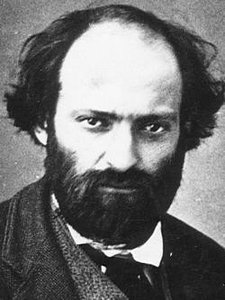
1839 - 1906 , Francie


Buďte na tahu s nejnovějšími novinkami ze světa umění, exkluzivními nabídkami a inspirativními nápady na dekoraci.
Sdělte nám více o svém projektu a naši odborníci na umění vám připraví 3 personalizované návrhy uměleckých děl.
Nechť pro vás vybereme 3 možnosti – zdarma!


 Náhled
 Sdílet
 Sdílet
 Podrobnosti o díle

 Stáhnout
 Podobné položky
 Rentgenové snímky
 Slideshow
 Zobrazit více