

 WatercolorWallArtPost-Impressionism
 188819th Century
 39.0 x 30.0 cm
Koupě vysoce rozlišeného, vylepšeného digitálního obrazu, který je mnohem kvalitnější než online náhled.
Každý soubor je pečlivě připraven našimi odborníky pomocí pokročilých nástrojů a expertní manuální retuše. Zajišťujeme, aby každý obraz disponoval výjimečnou ostrostí, přesnou barevnou věrností a jemnými detaily.
Finální soubor vám bude do 72 hodin zaslán e-mailem, optimalizovaný pro okamžité použití v profesionálním, redakčním i tiskovém prostředí. Nabízíme stejnou kvalitu, které důvěřují špičková designová studia, nakladatelství i galerie.
Stáhněte si soubor ve vysokém rozlišení pro osobní prohlížení, tisk a kreativní projekty. ( Koupit tisk Koupit ručně malovaný obraz)
Když si vyberete BuyPopArt.com, nezískáváte pouze obrázek – získáváte digitální umělecké dílo s profesionálně vylepšenými detaily, zpracované s precizností a podpořené zárukou za spokojenost. Zde je vše, co vaše objednávka automaticky obsahuje:

Váš digitální obraz ve vysokém rozlišení vám bude zaslán e-mailem do 72 hodin od objednávky – připraven k okamžitému použití.

Vaše umělecké dílo je profesionálně optimalizováno pomocí pokročilých nástrojů umělé inteligence a manuální úpravy, což zajišťuje maximální úroveň detailu, ostrosti a přesnosti barev.

Soubor jste omylem smazali nebo ztratili? Žádný problém – kdykoliv vám ho znovu zašleme zcela zdarma.

Užijte si své umělecké dílo okamžitě bez celních poplatků, daní nebo nákladů na dopravu – digitální stažení je vždy bez daňových povinností.

Pomocí profesionálních nástrojů a správy barev zajišťujeme, aby váš digitální obraz odrážel původní barvy co nejvěrněji.

Pokud nebudete s digitální fotografií spokojeni, provedeme její revizi nebo vám vrátíme 100% během 60 dnů – bez jakýchkoliv dotazů.

Nespokojeni? Získejte plnou částku zpět do 60 dní od přijetí vašeho digitálního souboru – bez jakýchkoliv dotazů.

Koupěte si 3 obrazy, ušetřete 10% - Koupěte si 5, ušetřete 15% - Koupěte si 10+, ušetřete 20%. Ideální pro kreativní projekty, galerie a agentury.
Paul Cézanne's watercolor painting, “Rose Bush,” created in 1888, isn’t merely a depiction of nature; it’s a profound exploration of perception and the very essence of seeing. This intimate work, measuring just 39 x 30 cm, embodies the core tenets of Post-Impressionism – a movement that sought to move beyond mere representation and delve into the subjective experience of the artist. Cézanne, a pivotal figure bridging the gap between Impressionism’s fleeting light and Cubism's geometric fragmentation, used this piece as a laboratory for his revolutionary approach to form and color, laying the groundwork for modern art as we know it.
The painting immediately captivates with its vibrant palette. Deep greens dominate the background, suggesting foliage and hinting at the unseen structure beneath the surface. These aren’t the soft, diffused greens of Impressionism; instead, they are layered and textured, built up from small, deliberate brushstrokes that create a sense of solidity and depth. At the heart of the composition sits a single, magnificent red rose – its color intense and almost luminous against the verdant backdrop. Cézanne masterfully employs watercolor techniques to capture the velvety texture of the petals and the delicate sheen of the leaves, achieving an astonishing level of detail despite the relatively small scale of the work. The brushwork itself is crucial; it’s not blended smoothly but rather applied in short, broken strokes that create a dynamic sense of movement and energy.
Cézanne's “Rose Bush” arose as a direct response to the limitations he perceived within Impressionism. While Impressionists sought to capture the ephemeral effects of light, Cézanne was more interested in defining the underlying structure and form of objects. He famously stated, "I do not paint what I see, but what I feel," reflecting his desire to convey an internal understanding of the subject rather than a literal imitation. This shift is evident in “Rose Bush,” where the rose isn’t simply rendered as it appears; instead, Cézanne deconstructs its form into geometric shapes – cylinders, cones, and planes – suggesting a three-dimensional reality that transcends the flat surface of the watercolor paper.
The painting's context within Post-Impressionism is vital to understanding its significance. Artists like Vincent van Gogh and Paul Gauguin were also grappling with similar questions about representation, albeit through different approaches. Van Gogh’s “Starry Night,” housed at the Museum of Modern Art in New York City, shares a certain emotional intensity with Cézanne's work, though expressed through swirling brushstrokes and heightened color contrasts. Both paintings demonstrate a rejection of purely observational painting in favor of conveying personal feeling and subjective experience.
Beyond its formal qualities, “Rose Bush” carries symbolic weight. Roses have long been associated with beauty, love, and passion – themes that resonate throughout Cézanne’s oeuvre. However, in this painting, the rose isn't presented as a purely romantic symbol; it’s also imbued with a sense of structure and permanence. Cézanne meticulously renders the rose’s form, emphasizing its geometric components and suggesting an underlying order beneath the apparent chaos of nature. The rose becomes a microcosm of the artist’s own quest to reconcile observation with representation – to capture both the fleeting beauty of the moment and the enduring essence of the subject.
Interestingly, Cézanne's approach to depicting flowers was revolutionary. He often painted them in series, meticulously studying their forms from multiple angles and experimenting with different techniques. “Rose Bush” exemplifies this dedication to observation and analysis, showcasing his ability to transform a simple botanical subject into a profound meditation on art and perception. The painting’s enduring appeal lies not only in its aesthetic beauty but also in its intellectual depth – inviting viewers to contemplate the complexities of seeing and representing the world around us.
Cézanne's “Rose Bush” stands as a crucial link between Impressionism and Cubism. Its emphasis on geometric form and spatial relationships paved the way for Picasso and Braque’s groundbreaking explorations of fractured perspectives in the early 20th century. The painting’s influence can be seen in countless works of modern art, demonstrating Cézanne's lasting legacy as a pioneer of abstraction. For those seeking to delve deeper into Cézanne’s world or explore other Post-Impressionist masterpieces, BuyPopArt.com offers high-quality reproductions and detailed information about this captivating artwork.
BuyPopArt.com offers handmade oil painting reproductions of famous artworks, including those by Paul Cézanne and other Post-Impressionist artists.
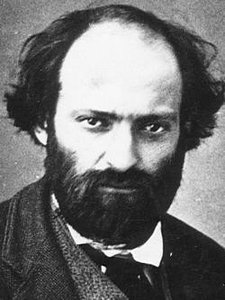
1839 - 1906 , Francie


Buďte na tahu s nejnovějšími novinkami ze světa umění, exkluzivními nabídkami a inspirativními nápady na dekoraci.
Sdělte nám více o svém projektu a naši odborníci na umění vám připraví 3 personalizované návrhy uměleckých děl.
Nechť pro vás vybereme 3 možnosti – zdarma!


 Náhled
 Sdílet
 Sdílet
 Podrobnosti o díle

 Stáhnout
 Podobné položky
 Rentgenové snímky
 Slideshow
 Zobrazit více