x


 Koupit tisk Koupit digitální obrázek
 Sdílet
 Podrobnosti o díle
 Přidat do oblíbených
 Stáhnout
 Podobné položky
 Rentgenové snímky
 Slideshow
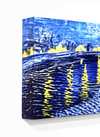
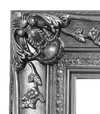
Ručně malovaná olejná barva na plátně ve vašem zvoleném rozměru i s rámem, vyrobená našimi umělci na zakázku.
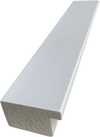
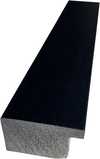
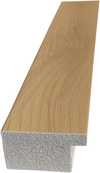
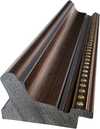
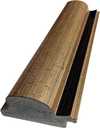
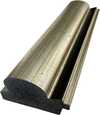
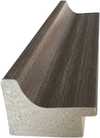
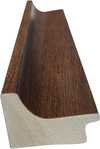
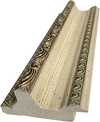
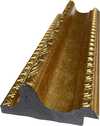
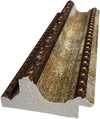
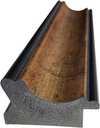
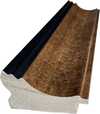
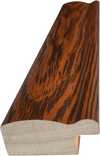
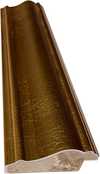
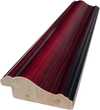
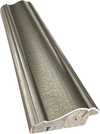
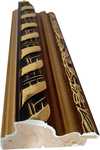
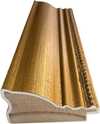
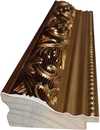
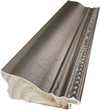
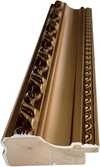
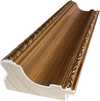
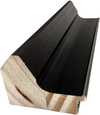
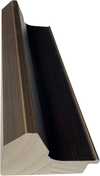
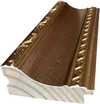
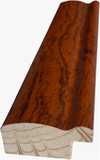
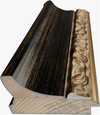
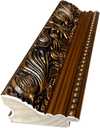
Vyberte si z našich přednastavených velikostí, které odpovídají původním proporcím díla.

Můžete zadat vlastní rozměry pro konkrétní rám nebo prostor. Pokud se vámi vybraná velikost neshoduje s proporcemi původního obrazu, dílo buď ořízneme, nebo jej doplníme ručně malovanými prvky. Před zahájením výroby vám bude zaslán digitální náhled ke schválení.
Upozorňujeme, že náhled na obrazovce neodpovídá skutečnému ořezu ani rozšíření. Pouze digitální náhled přesně zobrazí finální kompozici.
Ačkoliv je možné zvolit vlastní velikost, pro zachování původních proporcí doporučujeme vybrat rozměr z předdefinovaného seznamu.
Celosvětová doprava () za 3–4 týdny namísto standardních 5 týdnů. (16 červenec). Bez kompromisů v kvalitě.


The Toy Shop
Rozměry reprodukce
To stand before Peter Blake’s vibrant vision, "The Toy Shop," is not merely to look at an image; it is to step through a portal back into the glorious, overwhelming sensory overload of pure childhood delight. This piece captures that specific moment where the mundane architecture of a shop window transforms into a dazzling repository of possibility. The composition itself is a masterful exercise in visual abundance, dominated by the deep, inviting green of the door juxtaposed against the glittering promise held within the multi-paned display case. It speaks to an era—the early 1960s—when popular culture was exploding outward, and Blake, ever the keen observer, captured that effervescent energy.
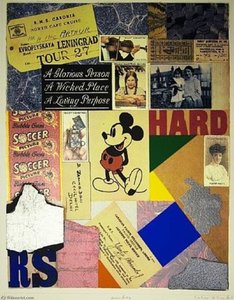
Technically, "The Toy Shop" is a quintessential example of collage art, a medium perfectly suited to the spirit of Pop Art. Blake employs a technique that feels both meticulously assembled and wonderfully spontaneous. By layering cut-and-pasted images—fragments drawn from advertisements, printed ephemera, and manufactured goods—he creates a surface that pulses with simulated texture and saturated color. The flatness inherent in the collage process is not a limitation but a strength; it forces the viewer to acknowledge the artifice of popular imagery while simultaneously elevating its emotional resonance. It is an homage to the visual detritus of modern life, rendered with the seriousness of high art.
The subject matter—the toy shop—is rich with symbolism. The sheer density of toys suggests a commentary on consumerism itself; it is an overwhelming bounty that speaks to both joy and potential excess. Yet, this abundance is tempered by the undeniable warmth emanating from the piece. Notice the small details: the Union Jack flag adorning the door hints at a specific cultural moment and British identity, grounding the whimsical chaos in a recognizable locale. These elements invite contemplation on what we value—the enduring magic of play against the backdrop of commercial reality.
For collectors and designers alike, this reproduction offers more than just decoration; it offers an emotional anchor. The piece radiates a cheerful, almost chaotic energy that can revitalize any room, whether it is a gallery wall needing a burst of color or a living space yearning for playful spirit. It is whimsical without being saccharine, bold without being aggressive. Owning "The Toy Shop" means embracing the joy of looking closely—to noticing the tiny details, the clash of saturated hues, and the enduring power of simple, manufactured delight.

Peter Blake is a contemporary British artist renowned for his association with the Pop Art movement and his distinctive approach to visual storytelling. Alongside David Hockney, Patrick Caulfield, and Richard Hamilton, Blake pioneered the use of imagery drawn from popular culture—advertisements, wrestling matches, music hall entertainment—to produce colorful and strikingly graphic works. He is arguably the doyen of British Pop Art.
Peter Blake was born in Dartford, Kent, on June 25, 1932. He studied at Gravesend Technical College School of Art, and the Royal College of Art. His formal training provided him with a foundational understanding of printmaking techniques that would inform his artistic practice throughout his career.
From the late 1950s, Blake’s paintings incorporated imagery from advertisements, music hall entertainment, and wrestlers—often blending these elements through dynamic collaged compositions. He was included in group exhibitions at the Institute of Contemporary Arts, establishing himself as a key figure within the burgeoning British Pop Art scene.
Blake's artistic development was characterized by his masterful use of collage—a technique he honed during his early years—creating layered compositions that juxtaposed disparate elements to generate unexpected resonances. He frequently employed cut-out photographs, printed matter, and found objects, transforming them into evocative symbols of memory and cultural reference.
“I wanted to make an art that was the visual equivalent of pop music,” Blake remarked. “When I made a portrait of Elvis I was hoping for an audience of 16-year-old girl Elvis fans, although that never really worked.” His unwavering dedication to exploring themes of nostalgia and popular culture ensured that his work remained relevant across generations.Sir Peter Blake CBE RDI RA remains a pivotal figure in British art history—a visionary artist who challenged conventions and embraced the transformative potential of visual storytelling. His enduring influence can be seen in the works of countless artists who followed him, cementing his place as one of the most important voices of the Pop Art movement.

1932 - , Spojené království
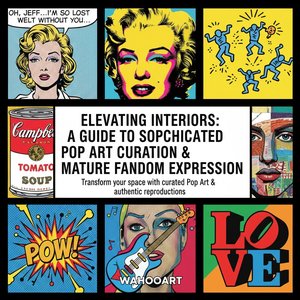
Objevte sílu popkulturního umění v interiéru! Průvodce pro sofistikované zákazníky – jak vybrat kvalitní díla, integrovat je do prostoru a vyhnout se klišé. Inspirace a odborné rady.
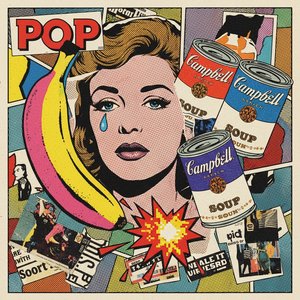
Explore the fascinating history of Pop Art, from its rebellious origins to its enduring influence on contemporary artists. Discover key figures like Warhol & Lichtenstein and learn about collecting this iconic movement.
Explore the captivating world of Pop Surrealism with BuyPopArt. Discover key artists like George Condo & Robert Williams, investment potential, and the movement's cultural impact. Expert insights for collectors.
Explore the captivating world of Jim Dine – Pop Art pioneer & master of autobiographical expression. Discover his iconic tools, robes, and hearts. Expert insights for art collectors.

Explore the fascinating relationship between color & emotion in art history. Discover how master artists like Matisse & Gauguin used vibrant hues to evoke feelings and cultural meanings. A deep dive for classic art enthusiasts.


Buďte na tahu s nejnovějšími novinkami ze světa umění, exkluzivními nabídkami a inspirativními nápady na dekoraci.
Sdělte nám více o svém projektu a naši odborníci na umění vám připraví 3 personalizované návrhy uměleckých děl.
Nechť pro vás vybereme 3 možnosti – zdarma!


 Sdílet


 Zobrazit více
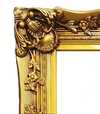
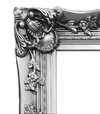
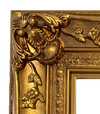
 Skleněná varianta je dostupná pouze u rozměrů menších než 110 cm