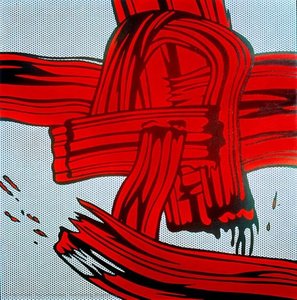
Ručně malovaná olejná barva na plátně ve vašem zvoleném rozměru i s rámem, vyrobená našimi umělci na zakázku. ( Koupit tisk Koupit obrázek)





























Vyberte si z našich přednastavených velikostí, které odpovídají původním proporcím díla.

Můžete zadat vlastní rozměry pro konkrétní rám nebo prostor. Pokud se vámi vybraná velikost neshoduje s proporcemi původního obrazu, dílo buď ořízneme, nebo jej doplníme ručně malovanými prvky. Před zahájením výroby vám bude zaslán digitální náhled ke schválení.
Upozorňujeme, že náhled na obrazovce neodpovídá skutečnému ořezu ani rozšíření. Pouze digitální náhled přesně zobrazí finální kompozici.
Ačkoliv je možné zvolit vlastní velikost, pro zachování původních proporcí doporučujeme vybrat rozměr z předdefinovaného seznamu.
Celosvětová doprava () za 3–4 týdny namísto standardních 5 týdnů. (14 srpen). Bez kompromisů v kvalitě.


Breadbag
Rozměry reprodukce
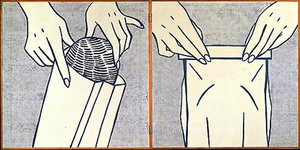
Roy Lichtenstein's "Breadbag," painted in 1961, isn’t a grand statement or a complex allegory; it’s deceptively simple. Yet, within its stark black and white palette and precise execution lies a potent distillation of the Pop Art movement’s core tenets – an interrogation of mass culture through the lens of familiar imagery. The artwork depicts two hands, rendered with bold, graphic lines characteristic of Lichtenstein's style, engaged in the mundane act of folding a paper bag containing bread. It’s a scene utterly devoid of drama or narrative, yet profoundly evocative of the era and the artist’s unique approach to representation.
The painting’s power resides in its meticulous detail and deliberate flatness. Lichtenstein consciously rejected traditional notions of illusionistic depth, opting instead for a style that mimicked the look of commercial printing – specifically, the flat, colored areas and Ben-Day dots found on comic books and advertisements. This technique, borrowed from the world of mass production, elevates an ordinary domestic task to the level of art. The thick outlines defining the hands and bag aren’t meant to create a realistic image; they are deliberately stylized, emphasizing the graphic nature of the work and echoing the visual language of advertising and popular culture.
“Breadbag” exemplifies Lichtenstein's signature Pop Art style with remarkable clarity. The limited color palette – a stark contrast between black and white – immediately draws attention to the composition’s structure and the precision of the lines. The hands, simplified into geometric shapes, are rendered with an almost mechanical accuracy, reflecting the artist’s fascination with industrial processes and consumer goods. Notice how Lichtenstein utilizes subtle variations in tone within the black areas, creating a sense of texture that mimics the appearance of printed paper. This attention to detail, combined with the deliberate flatness of the image, reinforces the artwork's connection to its source materials – commercial printing and mass-produced imagery.
The painting’s construction is remarkably straightforward. Lichtenstein likely employed oil paint on canvas, applying it in layers to achieve the desired effect. The use of Ben-Day dots, though subtle here, would have been a key element in creating the image's characteristic mottled appearance – a technique borrowed from comic book printing that adds visual interest and simulates the effects of halftone patterns.
While seemingly innocuous, “Breadbag” can be interpreted as a subtle critique of consumer culture. By focusing on such a commonplace activity—the simple act of preparing food—Lichtenstein forces us to consider the pervasiveness of packaging and the way in which everyday objects are transformed into symbols of consumption. The repetitive nature of the hands folding the bag mirrors the relentless cycle of production and consumption that defined much of 1960s America. The artwork’s stark simplicity serves as a reminder of the often-overlooked beauty and significance found within the mundane aspects of daily life.
Reproductions of “Breadbag” offer a compelling way to experience Lichtenstein's artistic vision. BuyPopArt’s hand-painted reproductions capture the essence of the original, faithfully recreating the bold lines, limited color palette, and subtle textures that define this iconic work. Whether displayed in a contemporary interior or as a collector’s piece, “Breadbag” continues to resonate with viewers today, serving as a testament to Lichtenstein's innovative approach to art and his enduring influence on Pop Art.


1923 - 1997 , Spojojené státy americké
Prozkoumejte 10 legendárních akrylových obrazů na plátně od Pollocka, Rothka a dalších. Objevte příběhy za uměleckými díly, které změnily svět moderního umění. Reprodukce obrazů nejvyšší kvality pro váš interiér – BuyPopArt.cz
Prozkoumejte 25 ikonických děl Roye Lichtensteina – průkopníka pop artu. Obrazy s komiksovými motivy, výrazné barvy a unikátní technika ben-day dots. Najděte inspiraci pro váš interiér a kvalitní reprodukce na BuyPopArt.cz! Prozkoumejte celou kolekci online.

Prozkoumejte sílu černé, bílé a šedé v moderním interiéru! Odborný průvodce abstraktním uměním, psychologií barev a inspirace od mistrů jako Richter a Rothko. Vytvořte sofistikovaný prostor s BuyPopArt.
Proměňte své vzpomínky v nadčasné umělecké dílo s BuyPopArt! Ručně malované portréty na zakázku od zkušených umělců. Kvalita, originalita a 100% garance spokojenosti. Objevte svůj osobní odkaz ještě dnes!
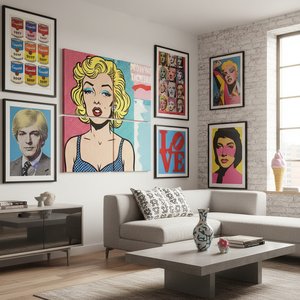
Prozkoumejte 10 ikonických děl Pop Artu od Andyho Warhola, Roye Lichtensteina a dalších. Objevte příběhy za slavnými obrazy, techniky a barevné revoluce tohoto uměleckého hnutí. Reprodukce obrazů nejvyšší kvality na BuyPopArt.com.


Buďte na tahu s nejnovějšími novinkami ze světa umění, exkluzivními nabídkami a inspirativními nápady na dekoraci.
Sdělte nám více o svém projektu a naši odborníci na umění vám připraví 3 personalizované návrhy uměleckých děl.
Nechť pro vás vybereme 3 možnosti – zdarma!


 Náhled
 Sdílet
 Sdílet
 Podrobnosti o díle

 Stáhnout
 Podobné položky
 Rentgenové snímky
 Slideshow

 Zobrazit více







 Skleněná varianta je dostupná pouze u rozměrů menších než 110 cm