
 15.0 x 35.0 cm
 Museo Casa de los Tiros de Granada
Ručně malovaná olejná barva na plátně ve vašem zvoleném rozměru i s rámem, vyrobená našimi umělci na zakázku. ( Koupit tisk Koupit obrázek)
Vyberte si z našich přednastavených velikostí, které odpovídají původním proporcím díla.

Můžete zadat vlastní rozměry pro konkrétní rám nebo prostor. Pokud se vámi vybraná velikost neshoduje s proporcemi původního obrazu, dílo buď ořízneme, nebo jej doplníme ručně malovanými prvky. Před zahájením výroby vám bude zaslán digitální náhled ke schválení.
Upozorňujeme, že náhled na obrazovce neodpovídá skutečnému ořezu ani rozšíření. Pouze digitální náhled přesně zobrazí finální kompozici.
Ačkoliv je možné zvolit vlastní velikost, pro zachování původních proporcí doporučujeme vybrat rozměr z předdefinovaného seznamu.
Celosvětová doprava () za 3–4 týdny namísto standardních 5 týdnů. (14 srpen). Bez kompromisů v kvalitě.


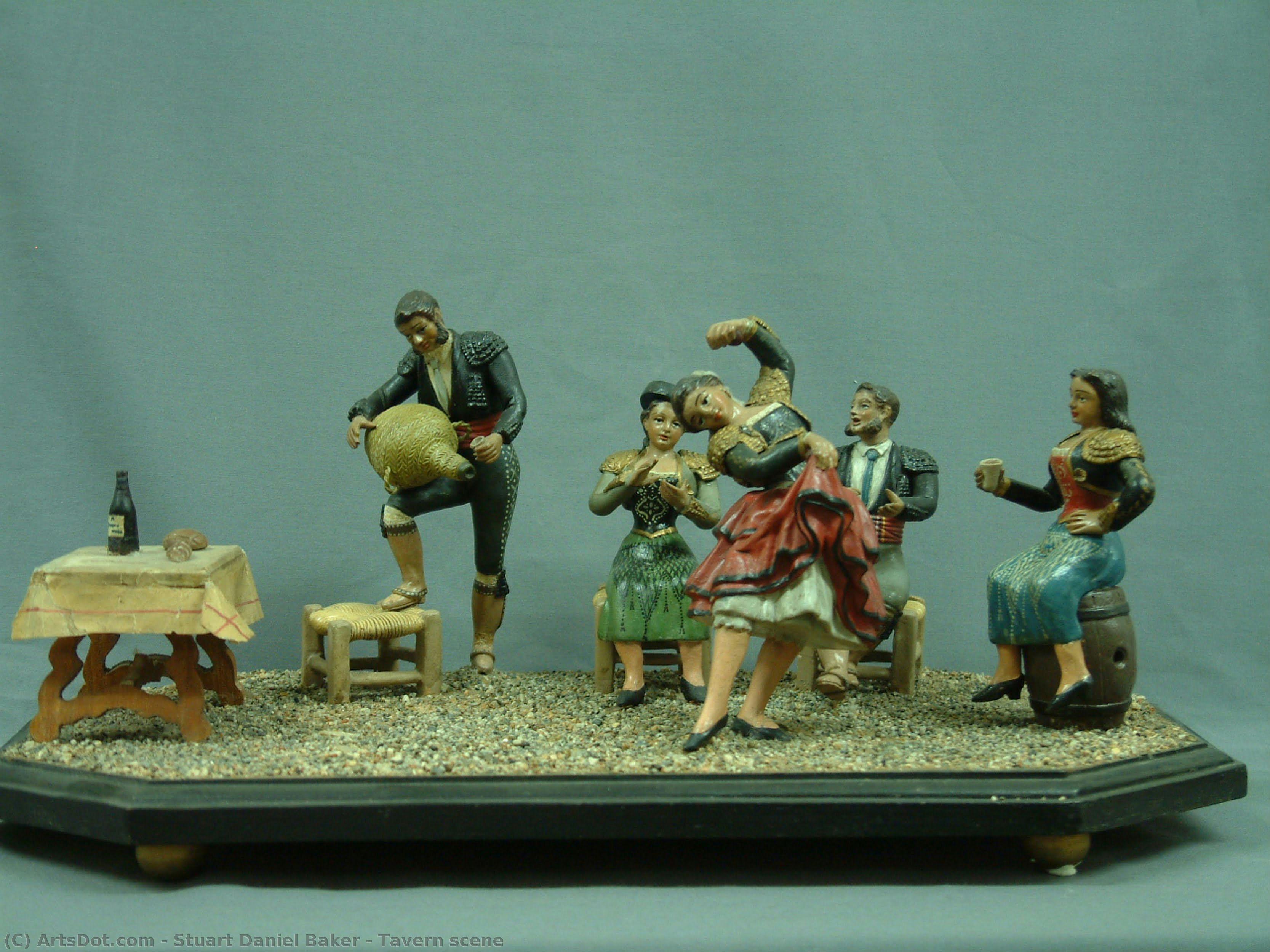
Tavern scene
Rozměry reprodukce
Born on November 7, 1954, in the rolling landscapes of Albemarle County, Virginia, Stuart Daniel Baker embodies a rare intersection of auditory rhythm and visual stillness. While many recognize his unmistakable voice from the animated landscape of Squidbillies, his creative essence extends far beyond the recording booth or the animation studio. Baker’s life is a continuous dialogue between the high-energy pulse of rockabilly music and a profound, contemplative devotion to the photographic arts. His journey began in the musical hubs of Charlotte, North Carolina, where the raw energy of bands like The Boxmasters and Hank III provided a rhythmic foundation for his later visual explorations. This early immersion in performance artistry instilled in him a deep understanding of how atmosphere is constructed—not just through sound, but through the careful manipulation of light, shadow, and texture.
The evolution of Baker’s creative identity is inextricably linked to his ability to inhabit characters and eras. Through his collaboration with Don Swan on the public access program The Wild Wild South, he birthed the persona of Unknown Hinson, a character that allowed him to explore the storytelling traditions of the American South. This period of his life served as a bridge between his musical roots and his burgeoning interest in historical preservation. As his career progressed, the frantic energy of the psychobilly scene began to find a quiet counterpart in his visual work. He turned his gaze toward the past, finding inspiration in the decaying beauty of historical architecture and the evocative power of monochrome imagery. His artistic output became a way to freeze time, capturing the ephemeral nature of history through the lens of an observer who understands the fleeting nature of both a song and a moment.
In his visual repertoire, Baker demonstrates a meticulous dedication to the aesthetics of the late 19th century, often working within the tradition of the albumen print. His work is characterized by an unwavering focus on architectural detail and the haunting beauty found in historical decay. One of his most poignant explorations can be seen in pieces like Casa de las Tumbas, where he captures a decaying Arab bathhouse with a sense of profound reverence. Through these monochrome studies, Baker utilizes linear perspective and dramatic light to invite viewers into a state of contemplation. He does not merely document ruins; he breathes life into the textures of stone and shadow, making the passage of time feel tangible to the observer.
This fascination with historical texture extends into his textile work, where he explores the medium of tapestry. In these pieces, the artist moves away from the starkness of black-and-white photography toward a more vibrant, symbolic language. His tapestries often feature:

1954 - , United States of America


Buďte na tahu s nejnovějšími novinkami ze světa umění, exkluzivními nabídkami a inspirativními nápady na dekoraci.
Sdělte nám více o svém projektu a naši odborníci na umění vám připraví 3 personalizované návrhy uměleckých děl.
Nechť pro vás vybereme 3 možnosti – zdarma!


 Náhled
 Sdílet
 Sdílet
 Podrobnosti o díle

 Stáhnout
 Podobné položky
 Rentgenové snímky
 Slideshow
 Zobrazit více




































 Skleněná varianta je dostupná pouze u rozměrů menších než 110 cm


