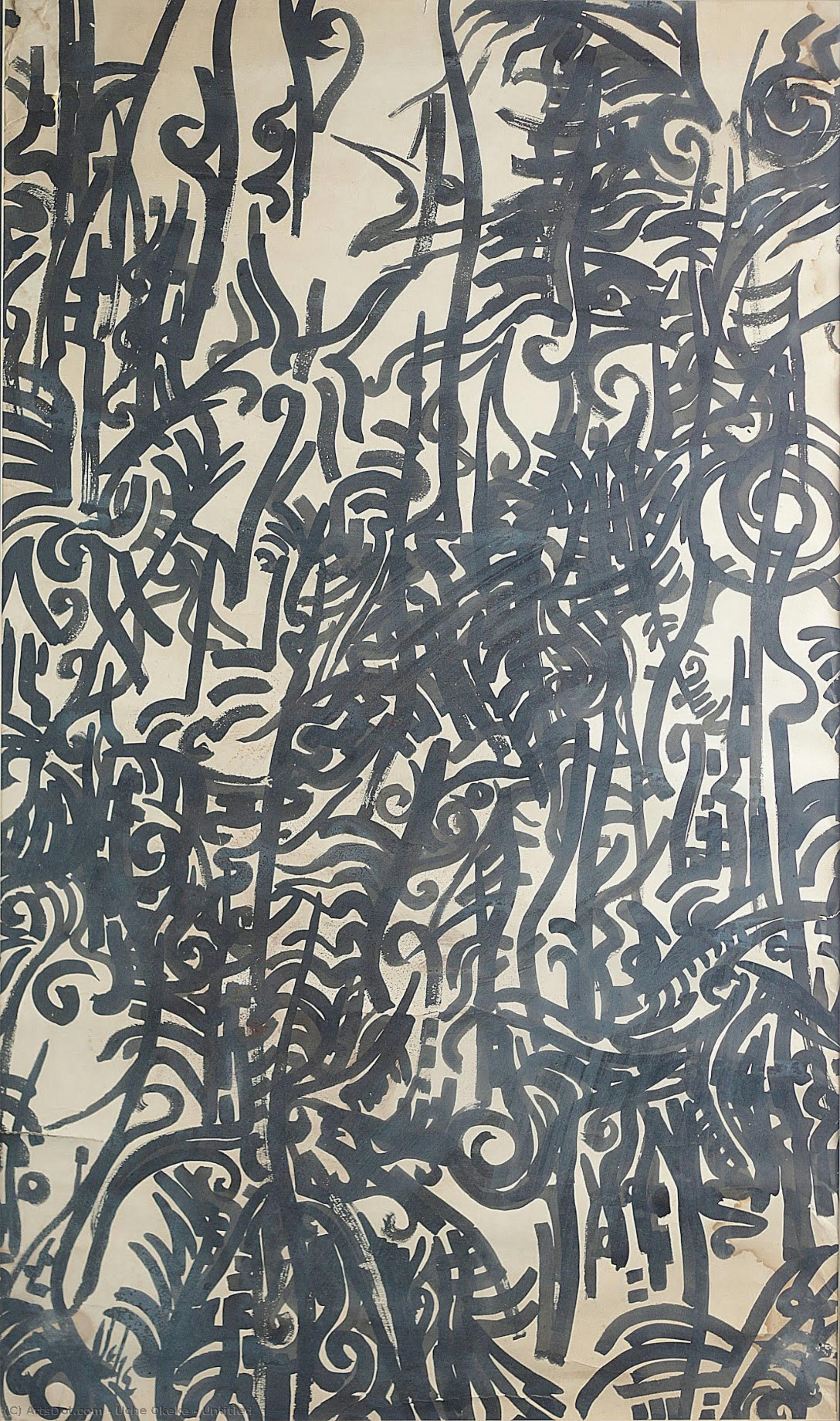
 1961
1961 102.0 x 73.0 cm
 Yemisi Shyllon Museum of Art
Koupě vysoce rozlišeného, vylepšeného digitálního obrazu, který je mnohem kvalitnější než online náhled.
Každý soubor je pečlivě připraven našimi odborníky pomocí pokročilých nástrojů a expertní manuální retuše. Zajišťujeme, aby každý obraz disponoval výjimečnou ostrostí, přesnou barevnou věrností a jemnými detaily.
Finální soubor vám bude do 72 hodin zaslán e-mailem, optimalizovaný pro okamžité použití v profesionálním, redakčním i tiskovém prostředí. Nabízíme stejnou kvalitu, které důvěřují špičková designová studia, nakladatelství i galerie.
Stáhněte si soubor ve vysokém rozlišení pro osobní prohlížení, tisk a kreativní projekty. ( Koupit tisk Koupit ručně malovaný obraz)
Když si vyberete BuyPopArt.com, nezískáváte pouze obrázek – získáváte digitální umělecké dílo s profesionálně vylepšenými detaily, zpracované s precizností a podpořené zárukou za spokojenost. Zde je vše, co vaše objednávka automaticky obsahuje:

Váš digitální obraz ve vysokém rozlišení vám bude zaslán e-mailem do 72 hodin od objednávky – připraven k okamžitému použití.

Vaše umělecké dílo je profesionálně optimalizováno pomocí pokročilých nástrojů umělé inteligence a manuální úpravy, což zajišťuje maximální úroveň detailu, ostrosti a přesnosti barev.

Soubor jste omylem smazali nebo ztratili? Žádný problém – kdykoliv vám ho znovu zašleme zcela zdarma.

Užijte si své umělecké dílo okamžitě bez celních poplatků, daní nebo nákladů na dopravu – digitální stažení je vždy bez daňových povinností.

Pomocí profesionálních nástrojů a správy barev zajišťujeme, aby váš digitální obraz odrážel původní barvy co nejvěrněji.

Pokud nebudete s digitální fotografií spokojeni, provedeme její revizi nebo vám vrátíme 100% během 60 dnů – bez jakýchkoliv dotazů.

Nespokojeni? Získejte plnou částku zpět do 60 dní od přijetí vašeho digitálního souboru – bez jakýchkoliv dotazů.

Koupěte si 3 obrazy, ušetřete 10% - Koupěte si 5, ušetřete 15% - Koupěte si 10+, ušetřete 20%. Ideální pro kreativní projekty, galerie a agentury.
Uche Okeke (1933-2016) stands as a monumental figure in the history of Nigerian art, a bridge between traditional aesthetics and the burgeoning possibilities of modern expression. Born in Nimo, Anambra State, Nigeria, into a family deeply rooted in Igbo culture, Okeke’s artistic journey was shaped by both ancestral heritage and a conscious engagement with the complexities of post-colonial identity. His work isn't simply paintings; it’s a vibrant tapestry woven from memory, folklore, and a profound understanding of the African landscape – a visual narrative that continues to resonate today.
Okeke’s early life provided him with an invaluable foundation. He learned *uli*, the intricate line-drawing tradition practiced by Igbo women, directly from his mother. This wasn't merely imitation; it was an immersion into a system of symbolic communication, where lines held layers of meaning relating to fertility, protection, and social status. Crucially, Okeke recognized the potential of this seemingly simple technique as a springboard for a radically new artistic language. He understood that *uli*, with its inherent dynamism and expressive power, could be adapted and transformed to address the challenges and aspirations of a newly independent nation.
Okeke’s artistic trajectory gained significant momentum through his association with the Zaria School of Art in the late 1950s. This influential group, centered at the Nigerian College of Arts, Science and Technology (now Ahmadu Bello University), represented a deliberate rejection of the prevailing colonial influences within the art program. Rather than adhering to European academic styles, the artists of Zaria sought to forge an indigenous artistic identity – a concept they termed “natural synthesis.” This philosophy advocated for drawing inspiration from Nigeria’s rich cultural heritage, including its diverse artistic traditions, religious beliefs, and social structures.
Okeke played a pivotal role in articulating this approach. He believed that art should be rooted in the lived experiences of Nigerians, reflecting their values, concerns, and aspirations. His work began to incorporate elements of *uli*, alongside other symbolic motifs drawn from Igbo cosmology and folklore – animals, spirits, and ancestral figures rendered with bold lines and dynamic compositions. This wasn’t simply a decorative exercise; it was an attempt to create a visual language that could articulate the complexities of modern Nigerian life while honoring its cultural roots.
Okeke's artistic style is immediately recognizable by his masterful use of line. He employed lines not merely as outlines but as conduits for meaning, creating a visual vocabulary that was both abstract and deeply rooted in tradition. His compositions often feature sinuous curves, sharp angles, and intricate patterns – echoes of *uli* motifs and the rhythms of the natural world. The landscapes he depicted—often evocative of the savannahs of his childhood—are rarely literal representations; instead, they are imbued with symbolic significance, reflecting themes of spirituality, resilience, and the interconnectedness of life.
Key to understanding Okeke’s work is recognizing the importance of symbolism. He skillfully integrated *uli* symbols – such as the snake (representing fertility and transformation), the three-lobed kola nut (a symbol of unity and hospitality), and various animal figures—into his compositions, creating a layered visual narrative that invites interpretation. His use of space is equally deliberate, often employing negative space to create a sense of dynamism and movement.
Among Okeke’s most celebrated works are pieces like “Savannah Landscape” (1962) and “Untitled” (1961). "Savannah Landscape" exemplifies his ability to distill the essence of a landscape into its fundamental elements, using bold lines to capture the heat, texture, and spirit of the Nigerian savannah. “Untitled,” a dense, abstract composition, showcases his mastery of *uli* techniques and his exploration of symbolic themes. His series “Oja” (1962), created during his time in Lagos, further solidified his reputation as a groundbreaking artist.
Uche Okeke’s influence extends far beyond the canvases he produced. He played a crucial role in shaping the trajectory of Nigerian modernism, inspiring generations of artists to embrace their cultural heritage and explore new artistic possibilities. His commitment to “natural synthesis” provided a framework for artists to engage with both tradition and modernity, creating art that was simultaneously rooted in the past and oriented towards the future. Today, Uche Okeke is remembered not only as a gifted artist but also as a visionary who helped to define the visual identity of Nigeria.

1933 - 2016


Buďte na tahu s nejnovějšími novinkami ze světa umění, exkluzivními nabídkami a inspirativními nápady na dekoraci.
Sdělte nám více o svém projektu a naši odborníci na umění vám připraví 3 personalizované návrhy uměleckých děl.
Nechť pro vás vybereme 3 možnosti – zdarma!


 Náhled
 Sdílet
 Sdílet
 Podrobnosti o díle

 Stáhnout
 Podobné položky
 Rentgenové snímky
 Slideshow
 Zobrazit více