

Koupě vysoce rozlišeného, vylepšeného digitálního obrazu, který je mnohem kvalitnější než online náhled.
Každý soubor je pečlivě připraven našimi odborníky pomocí pokročilých nástrojů a expertní manuální retuše. Zajišťujeme, aby každý obraz disponoval výjimečnou ostrostí, přesnou barevnou věrností a jemnými detaily.
Finální soubor vám bude do 72 hodin zaslán e-mailem, optimalizovaný pro okamžité použití v profesionálním, redakčním i tiskovém prostředí. Nabízíme stejnou kvalitu, které důvěřují špičková designová studia, nakladatelství i galerie.
Stáhněte si soubor ve vysokém rozlišení pro osobní prohlížení, tisk a kreativní projekty. ( Koupit tisk Koupit ručně malovaný obraz)
Když si vyberete BuyPopArt.com, nezískáváte pouze obrázek – získáváte digitální umělecké dílo s profesionálně vylepšenými detaily, zpracované s precizností a podpořené zárukou za spokojenost. Zde je vše, co vaše objednávka automaticky obsahuje:

Váš digitální obraz ve vysokém rozlišení vám bude zaslán e-mailem do 72 hodin od objednávky – připraven k okamžitému použití.

Vaše umělecké dílo je profesionálně optimalizováno pomocí pokročilých nástrojů umělé inteligence a manuální úpravy, což zajišťuje maximální úroveň detailu, ostrosti a přesnosti barev.

Soubor jste omylem smazali nebo ztratili? Žádný problém – kdykoliv vám ho znovu zašleme zcela zdarma.

Užijte si své umělecké dílo okamžitě bez celních poplatků, daní nebo nákladů na dopravu – digitální stažení je vždy bez daňových povinností.

Pomocí profesionálních nástrojů a správy barev zajišťujeme, aby váš digitální obraz odrážel původní barvy co nejvěrněji.

Pokud nebudete s digitální fotografií spokojeni, provedeme její revizi nebo vám vrátíme 100% během 60 dnů – bez jakýchkoliv dotazů.

Nespokojeni? Získejte plnou částku zpět do 60 dní od přijetí vašeho digitálního souboru – bez jakýchkoliv dotazů.

Koupěte si 3 obrazy, ušetřete 10% - Koupěte si 5, ušetřete 15% - Koupěte si 10+, ušetřete 20%. Ideální pro kreativní projekty, galerie a agentury.
William Hogarth's *The Bathos*, a powerfully unsettling engraving created towards the end of his life, is not merely an artwork; it’s a visual lament—a darkly satirical reckoning with the decline of knowledge, artistic standards, and perhaps even civilization itself. Completed in 1764, just months before his death, this densely packed composition feels less like a carefully constructed image and more like a fever dream rendered in meticulous lines. It's an apocalyptic vision born from a mind acutely aware of its own mortality and deeply critical of the world around him. The very title, “Bathos,” derived from a rhetorical term signifying a deliberate descent from the sublime to the ridiculous, signals Hogarth’s intention: to expose the absurdity lurking beneath pretensions of grandeur.
To gaze upon *The Bathos* is to be overwhelmed. The scene unfolds with chaotic energy, a swirling vortex of fragmented objects—books scattered like fallen ideals, musical instruments silenced, tools rendered useless. Dominating this wreckage lies the skeletal figure of Death, not as an active agent of destruction but as a weary observer, slumped amidst the debris. This isn’t a triumphant depiction of the end times; it's one of exhaustion and disillusionment. Above him, an angel ascends towards a sign proclaiming “The World’s End,” yet even this celestial messenger appears burdened, almost defeated. Hogarth masterfully employs the engraving technique—the precise interplay of light and shadow created through intricate hatching and cross-hatching—to amplify the sense of claustrophobia and impending doom. The turbulent sea forming the backdrop isn't merely a setting; it’s a metaphor for the instability threatening to engulf everything. The artist doesn’t shy away from detail, each object meticulously rendered, contributing to the overall feeling of oppressive disorder.
Understanding *The Bathos* requires acknowledging Hogarth's broader artistic project. He was a pioneer in British art, forging a path independent of traditional patronage by appealing directly to the public through his narrative series—works like *A Harlot’s Progress* and *A Rake’s Progress*. These earlier works were moralizing tales told through vivid imagery, but *The Bathos* feels different. It's less about specific vices and more about a systemic failure of values. Hogarth wasn’t simply lamenting the decline of artistic taste—he was critiquing what he saw as a broader intellectual and spiritual decay. The inclusion of references to classical art, like allusions to Dürer and Poussin, suggests a disillusionment with even the most revered traditions. He seems to be arguing that even the great masters were not immune to superficiality and artistic pretense. The print’s complex symbolism—the broken instruments, the crumbling architecture, the exhausted angel—all contribute to this overarching theme of collapse.
Though created in the 18th century, *The Bathos* resonates with a timeless relevance. Its depiction of societal breakdown and intellectual exhaustion feels eerily prescient, speaking to anxieties that continue to plague us today. Hogarth’s genius lies not only in his technical skill but also in his ability to tap into universal human fears—the fear of loss, the fear of meaninglessness, the fear of oblivion. A reproduction of *The Bathos* is more than just a decorative piece; it's a conversation starter, a visual embodiment of critical thought, and a powerful reminder of the fragility of civilization. For collectors seeking works with intellectual depth, or for interior designers aiming to create spaces that provoke contemplation, Hogarth’s final masterpiece offers a compelling and enduring statement.
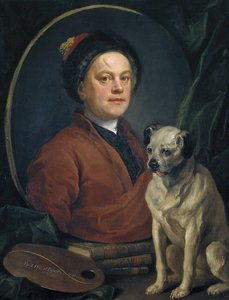
1697 - 1764 , Spojené království


Buďte na tahu s nejnovějšími novinkami ze světa umění, exkluzivními nabídkami a inspirativními nápady na dekoraci.
Sdělte nám více o svém projektu a naši odborníci na umění vám připraví 3 personalizované návrhy uměleckých děl.
Nechť pro vás vybereme 3 možnosti – zdarma!


 Náhled
 Sdílet
 Sdílet
 Podrobnosti o díle

 Stáhnout
 Podobné položky
 Rentgenové snímky
 Slideshow

 Zobrazit více