

Ručně malovaná olejná barva na plátně ve vašem zvoleném rozměru i s rámem, vyrobená našimi umělci na zakázku. ( Koupit tisk Koupit obrázek)
Vyberte si z našich přednastavených velikostí, které odpovídají původním proporcím díla.

Můžete zadat vlastní rozměry pro konkrétní rám nebo prostor. Pokud se vámi vybraná velikost neshoduje s proporcemi původního obrazu, dílo buď ořízneme, nebo jej doplníme ručně malovanými prvky. Před zahájením výroby vám bude zaslán digitální náhled ke schválení.
Upozorňujeme, že náhled na obrazovce neodpovídá skutečnému ořezu ani rozšíření. Pouze digitální náhled přesně zobrazí finální kompozici.
Ačkoliv je možné zvolit vlastní velikost, pro zachování původních proporcí doporučujeme vybrat rozměr z předdefinovaného seznamu.
Celosvětová doprava () za 3–4 týdny namísto standardních 5 týdnů. (14 srpen). Bez kompromisů v kvalitě.


The Bathing Pool
Rozměry reprodukce
William Linton, born in the maritime atmosphere of Liverpool in 1791, emerged as a pivotal figure in British landscape painting during the Victorian era—a period defined by a profound fascination with both scientific observation and idealized beauty. His artistic journey began not with the grand gestures of a master, but through the humble and disciplined practice of copying the works of legends like Claude Lorrain and Richard Wilson. These early encounters were transformative, instilling in Linton a deep-seated appreciation for the interplay of natural light and the sweeping grandeur of panoramic compositions. This foundational period shaped his distinctive style, allowing him to weave classical sensibilities into the fabric of 19th-century Romanticism.
Linton’s connection to the natural world was deeply rooted in his formative years spent amidst the picturesque landscapes of Lancaster and Cartmel. His education at Windermere School fostered a lifelong intimacy with the serene, mist-covered vistas of the Yorkshire Dales and the Lake District. While he initially pursued a career in the merchant’s trade—a vocation he found spiritually unfulfilling—his innate talent for visual representation eventually compelled him to dedicate himself fully to the pursuit of art. This transition from commerce to creativity marked the beginning of a prolific career that would see him become a mainstay of the London art scene.
As his reputation grew, Linton became a regular presence at the Royal Academy and the British Institution, exhibiting his works from 1817 onwards. His subject matter often drew from the rugged beauty of Scotland and Northern England, where he captured scenes imbued with an atmospheric grandeur that reflected the prevailing Romantic sensibility. However, it was his travels through Italy between 1828 and 1829 that perhaps most significantly expanded his artistic vocabulary. During these extensive sketching expeditions, Linton absorbed the sun-drenched textures and classical ruins of the Mediterranean, producing a substantial collection of drawings that would later serve as the blueprint for his monumental oil paintings.
His ability to blend historical reverence with naturalistic detail allowed him to create landscapes that felt both grounded in reality and elevated by fantasy. Whether depicting the dramatic coastal fortresses of Positano or the serene, pastoral charm of an Italianate Landscape populated by peasants and livestock, Linton utilized a masterful command of light to evoke emotion. His works often feature:
Beyond his individual canvases, Linton was a vital architect of the British art community. His commitment to fostering innovation and collaboration led him to play a crucial role in the establishment of the Society of British Artists in 1823-1824. His leadership qualities were formally recognized when he served as the society's president in 1837, a testament to the respect he commanded among his peers. Through this role, he helped create a platform for emerging artists to navigate the complexities of the Victorian art market.
The historical significance of William Linton lies in his ability to bridge the gap between the classical traditions of the past and the burgeoning Romanticism of his era. He did not merely record landscapes; he reimagined them, infusing the rugged terrain of the English Lakes and the sun-soaked coasts of Italy with a sense of poetic timelessness. Today, his legacy survives in collections such as the Tate, where his works continue to invite viewers into a world of architectural fantasy and sublime natural beauty, reminding us of a time when the canvas was a window into the eternal.

1791 - 1876 , United Kingdom

Explore the complex history of Orientalism in 19th-century art. Discover how Western artists depicted the 'Orient,' its cultural impact, and Edward Said's critical analysis. A deep dive for art lovers & historians.

Explore the serene landscapes of John Varley I, a key figure in British Romanticism. Discover his unique watercolour style, collaboration with William Blake & lasting artistic legacy. Learn about collecting Varley's work.

Prozkoumejte 10 ikonických uměleckých děl, které vyjadřují hluboké romantické emoce. Objevte příběhy Moneta, Renoir a dalších mistrů. Luxusní reprodukce obrazů pro váš interiér na BuyPopArt.com!
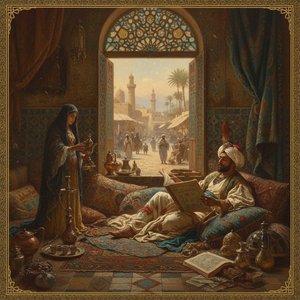
Explore the captivating Orientalist paintings of John Frederick Lewis! Discover his mastery of detail, genre scenes & influence on 19th-century British art. Learn about his life, techniques & legacy at BuyPopArt.

Explore the captivating world of realism in art history! Discover iconic street scenes & genre paintings from masters like Courbet & Brown. Expert analysis & museum-quality reproductions at BuyPopArt.


Buďte na tahu s nejnovějšími novinkami ze světa umění, exkluzivními nabídkami a inspirativními nápady na dekoraci.
Sdělte nám více o svém projektu a naši odborníci na umění vám připraví 3 personalizované návrhy uměleckých děl.
Nechť pro vás vybereme 3 možnosti – zdarma!


 Náhled
 Sdílet
 Sdílet
 Podrobnosti o díle

 Stáhnout
 Podobné položky
 Rentgenové snímky
 Slideshow
 Zobrazit více




































 Skleněná varianta je dostupná pouze u rozměrů menších než 110 cm


