x

 Bestil tryk Køb højopløseligt billede
 Del
Del
 Detaljer
 Tilføj til favoritter
 Download
 Lignende værker
 Røntgenundersøgelse
 Diasshow
Håndmalet olie på lærred i din valgte størrelse og ramme, udført efter bestilling af vores kunstnere.
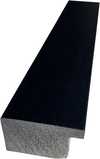
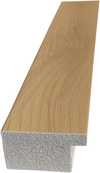




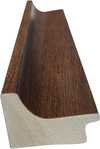
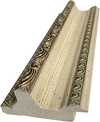

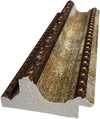
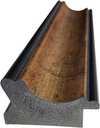
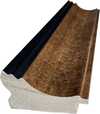



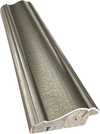


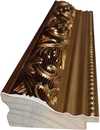
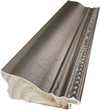

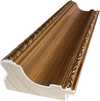
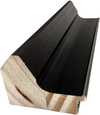

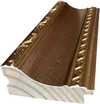

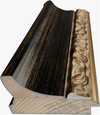

Vælg mellem vores forudindstillede størrelser, der matcher kunstværkets originale proportioner.

Du kan indtaste dine egne mål for at passe til en bestemt ramme eller plads. Hvis den valgte størrelse ikke stemmer overens med det originale billedes proportioner, vil vi enten beskære kunstværket eller udvide maleriet med yderligere håndmalede elementer. En digital skitse sendes til din godkendelse, før produktionen påbegyndes.
Bemærk venligst, at forhåndsvisningen på skærmen ikke afspejler den faktiske beskæring eller udvidelse. Kun skitsen vil nøjagtigt vise den endelige komposition.
Selvom specialmål er mulige, anbefaler vi at vælge en dimension fra den foruddefinerede liste for at bevare de originale proportioner.
Levering i hele verden () på 3/4 uger i stedet for de standard 5 uger. (16 juli). Ingen kompromiser med kvaliteten.


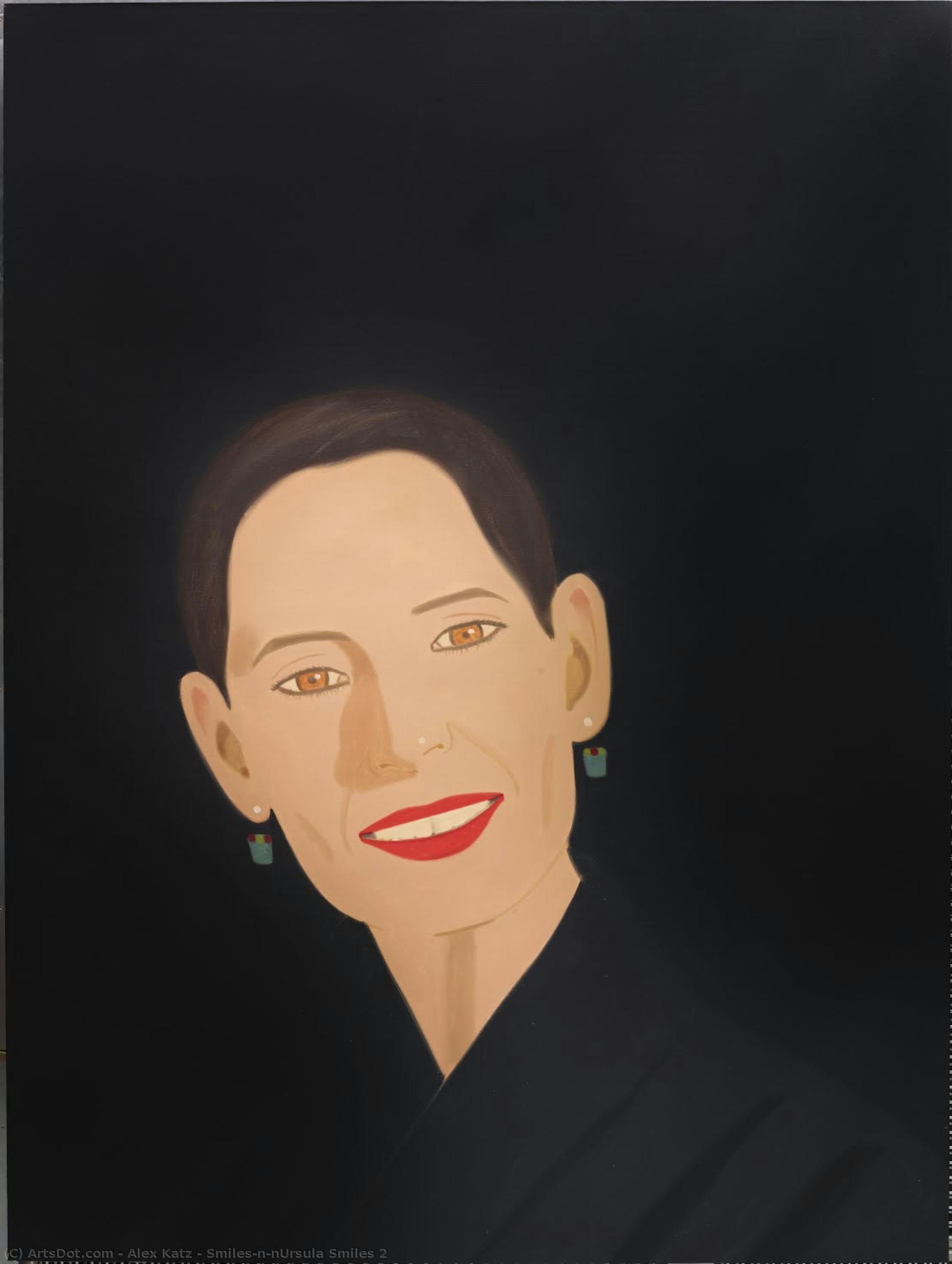
Smiles\n\nUrsula Smiles 2
Størrelse på reproduktion
Alex Katz's 1994 painting, “Smiles,” isn’t a celebration of overt joy; it’s an invitation to contemplate the subtle complexities of human connection. Within its deceptively simple composition – a woman bathed in a stark, neutral background – lies a profound exploration of representation and perception. Katz, known for his deliberate detachment and minimalist approach, eschews narrative or emotional excess, instead focusing on the fundamental act of looking and being seen. The painting’s power resides not in dramatic gesture but in the quiet intensity of the subject's gaze, an invitation to engage with a moment suspended in time.
The work emerged during a period when Katz was actively challenging conventional notions of portraiture. He deliberately distanced himself from the traditional role of capturing a sitter’s personality, opting instead to dissect and reconstruct the image itself. This shift reflects a broader artistic trend – a move away from subjective representation towards a more conceptual engagement with the very act of painting. The stark background serves not as mere backdrop but as an active participant in the composition, amplifying the figure's presence and forcing the viewer to confront her directly.
Katz’s technique is characterized by a remarkable economy of line and color. He employs a distinctive style that prioritizes flatness – a deliberate rejection of illusionistic depth. The canvas itself becomes the primary subject, its surface treated as a carefully constructed plane. This approach, reminiscent of early modernist painters like Giorgio Morandi, creates an immediate sense of immediacy and intimacy. The colors are muted yet vibrant, carefully calibrated to create a harmonious balance within the composition. Katz’s use of oil paint is precise and controlled, resulting in a smooth, almost photographic quality.
The repeated motif of the smile itself holds significant weight within the series. It’s not a boisterous or exuberant expression but rather a subtle, almost melancholic curve of the lips – a suggestion of contentment tempered by an underlying sense of introspection. Katz has described his subjects as “research tools,” using them to explore the fundamental relationship between figure and ground. The women in "Smiles" aren’t simply portraits; they are embodiments of a visual experiment, prompting us to consider how we perceive images and how those perceptions shape our understanding of human experience.
Furthermore, Katz's choice of subjects – often close friends and family members – adds another layer of complexity. These figures represent not just individual identities but also the artist’s own personal relationships and memories. The repetition of this motif across multiple canvases suggests a meditation on time, memory, and the enduring power of human connection.
“Smiles” is more than just a portrait; it's a carefully constructed visual puzzle that invites repeated viewing and contemplation. Its quiet intensity, combined with Katz’s masterful technique, creates an artwork that resonates deeply with the viewer long after the initial encounter. It stands as a testament to the artist’s ability to distill complex emotions into their most essential form – a subtle smile, a neutral background, and a profound exploration of representation itself. Reproductions capture much of this essence, offering a window into Katz's unique vision for those seeking to bring a touch of contemplative beauty into their own spaces.

1927 - , USA

Bestil et unikt historisk portrætmaleri hos eksperter. Håndmalet kvalitet, autentisk stil og personlig rådgivning. Invester i kunsthistorien & skab et varigt minde.

Explore the life & work of Reginald Grenville Eves, a leading British portraitist who transitioned to captivating landscape painting. Discover his legacy and prominent works at BuyPopArt.

Explore the rich history of women in art – from archetypal representations to contemporary voices challenging norms. Discover iconic artists & movements, and learn about reclaiming female narratives through painting and beyond.

Explore the rich history & masterful techniques of academic portraiture. Discover iconic artists, learn about collecting, and commission a bespoke oil painting reproduction with BuyPopArt.

Oplev 10 ikoniske malerier domineret af 'Ivory Black' nuancer – fra Rembrandts drama til Munchs melankoli. Lær historierne bag disse mesterværker og find inspiration til din indretning med BuyPopArt.dk. Udforsk samlingen online!


Hold dig opdateret med de seneste kunstnyheder, eksklusive tilbud og indretningsideer.
Fortæl os om dit projekt, og vores kunsteksperter vil give dig 3 personlige kunstforslag.
Vi kuraterer 3 valgmuligheder kun til dig – Gratis!


 Del
Del


 Se mere


 Glasmulighed er kun tilgængelig i størrelser under 110 cm