

 Oil On CanvasWallArtNeo-Expressionism
 1983Contemporary
 280.0 x 450.0 cm
 Kunsthaus Zürich
Giclée- eller lærredstryk i museumskvalitet med hurtig produktion og fleksible muligheder for finish. ( Køb håndlavet maleri Køb billede)
Vælg mellem vores forudindstillede størrelser, der matcher kunstværkets originale proportioner.

Du kan indtaste dine egne mål for at passe til en specifik ramme eller et bestemt område. Hvis den valgte størrelse ikke stemmer overens med det originale billedes proportioner, vil vi enten beskære kunstværket eller udvide billedet med en spejlet eller ensfarvet kant. En digital mockup vil blive sendt til din godkendelse, før produktionen påbegyndes.
Bemærk venligst, at forhåndsvisningen på skærmen ikke afspejler den faktiske beskæring eller udvidelse. Kun mockuppen vil nøjagtigt vise den endelige komposition.
Selvom specialmål er tilgængelige, anbefaler vi at vælge et mål fra den foruddefinerede liste for at bevare de originale proportioner.
Verdensomspændende levering () på 2 uger i stedet for de sædvanlige 4/5 uger. (14 august)


Supper in Dresden
Størrelse på reproduktion
In the vast, commanding expanse of Supper in Dresden, viewers are invited into a world where reality is turned on its head—quite literally. This monumental oil on canvas, stretching over four meters in length, serves as a profound testament to the genius of Georg Baselitz, one of the most provocative voices of the Neo-Expressionist movement. At first glance, the painting presents a chaotic, almost feverish gathering around a long dining table, yet beneath this surface of disarray lies a deeply layered exploration of identity and artistic heritage. The composition oscillates between recognizable figuration and robust, chromatic harmonies, where striking shades of pink, blue, and black collide to create a sense of restless energy that captures the eye and refuses to let go.
The technique employed by Baselitz in this 1983 masterpiece is nothing short of revolutionary. By famously inverting his subjects, he de-emphasizes the literal content of the scene to bring the raw materiality of painting—the brushstroke, the texture, and the color—to the forefront. This deliberate subversion forces the viewer to look past the "what" of the image and instead experience the "how." The central figure, with eyes and mouth agape in a silent, haunting cry, dominates the canvas, acting as an emotional anchor amidst the surrounding figures who seem to drift toward the edges of the frame. This tension between the central focus and the peripheral movement creates a psychological depth that makes the work feel alive, breathing with a nervous, almost agonized vitality.
Beyond its striking visual impact, Supper in Dresden is steeped in historical symbolism and personal reflection. While the motif of a shared meal evokes the sacred tradition of the Last Supper, Baselitz uses this framework to pay homage to the birth of German Expressionism. The painting serves as a spectral gathering of the Die Brücke group; the agitated figure on the left is widely identified as Ernst Ludwig Kirchner, while the commanding central presence represents Karl Schmidt-Rotluff. In a brilliant display of painterly trickery, the figures of Otto Müller and Erich Heckel are merged into a single, shared body, blurring the lines between individual identity and collective artistic spirit. It is a poignant tribute to the roots of a movement that sought to express raw emotion through distorted forms.
For the discerning collector or interior designer, a high-quality reproduction of this work offers more than just a decorative element; it provides a profound conversational centerpiece. The sheer scale and the dramatic interplay of light and shadow make it an ideal choice for grand spaces, such as contemporary galleries, sophisticated lofts, or stately dining rooms. Owning a piece that captures Baselitz’s unique ability to transform historical trauma and artistic rebellion into breathtaking visual poetry allows one to bring a sense of intellectual depth and avant-garde elegance into any environment. It is a work that does not merely decorate a wall—it commands the room, inviting endless contemplation of the beauty found in the upside-down.

1938 -
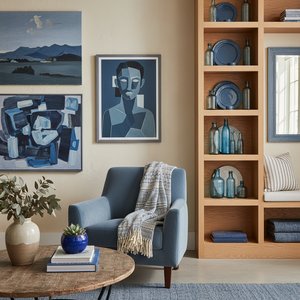
Oplev skønheden i 10 berømte malerier domineret af den elegante slate blue nuance. Fra Monet til Van Gogh – lær historierne bag ikoniske kunstværker og find inspiration til dit hjem. Køb museumskvalitets reproduktioner på BuyPopArt.com
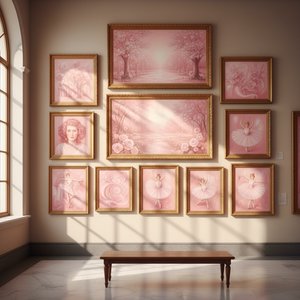
Oplev skønheden i lyserøde nuancer! Udforsk top 10 berømte malerier fra impressionismen med Monet, Degas & Renoir. Find inspiration til din indretning og køb kunsttryk af høj kvalitet på BuyPopArt.com – museumskvalitet leveret direkte til dig.
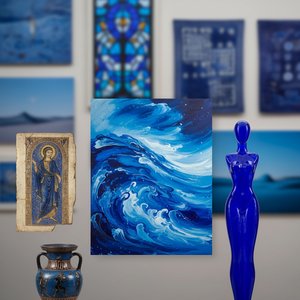
Explore the rich history of blue in art! Discover its symbolism, from ancient pigments to modern masterpieces by Kandinsky & Seurat. Uncover the psychological impact and cultural meanings behind this captivating hue.

Oplev de 10 mest ikoniske malerier i smukke svampefarver! Fra Monet til Van Gogh – lær historierne bag disse tidløse kunstværker og find inspiration til dit hjem. Køb museumskvalitets reproduktioner på BuyPopArt.com.

Oplev top 10 berømte malerier i smukke sandfarver! Fra Monet til Rembrandt – udforsk kunsthistorien, teknikker og inspiration. Find museumskvalitets reproduktioner & dekorer dit hjem med tidløs elegance på BuyPopArt.com.


Hold dig opdateret med de seneste kunstnyheder, eksklusive tilbud og indretningsideer.
Fortæl os om dit projekt, og vores kunsteksperter vil give dig 3 personlige kunstforslag.
Vi kuraterer 3 valgmuligheder kun til dig – Gratis!


 Se i fuld skala
 Del
Del Del
Del
 Detaljer

 Download
 Lignende værker
 Røntgenundersøgelse
 Diasshow
 Se mere




































 Glasmulighed er kun tilgængelig i størrelser under 110 cm


