

 AcrylicWallArtNorthern Renaissance
 Early Medieval
 285.0 x 205.0 cm
 Graphische Sammlung Albertina
Køb et højopløst, forbedret digitalt billede, der er langt bedre end online-forhåndsvisningen.
Hver fil er omhyggeligt forberedt af vores interne specialister ved hjælp af avancerede værktøjer og ekspertmæssig manuel retuschering. Vi sikrer, at hvert billede har enestående klarhed, præcis farvegengivelse og fine detaljer.
Den endelige fil leveres via e-mail inden for 72 timer og er optimeret til øjeblikkelig brug i professionelle, redaktionelle og trykte miljøer. Det er den samme kvalitet, som førende designstudier, forlag og gallerier har tillid til.
Download en højopløselig fil til personlig fremvisning, print og kreative projekter. ( Køb print Køb håndlavet maleri)
Når du vælger BuyPopArt.com, får du ikke blot et billede – du modtager et professionelt optimeret digitalt kunstværk, skabt med præcision og sikret med en tilfredshedsgaranti. Her er alt, hvad din ordre automatisk indeholder:

Din højkvalitets digitale billedfil vil blive sendt til din e-mail inden for 72 timer efter bestilling – klar til øjeblikkelig brug.

Dit kunstværk optimeres professionelt ved hjælp af avancerede AI-værktøjer og manuel redigering, hvilket sikrer maksimal detaljegrad, klarhed og farvenøjagtighed.

Har du ved en fejl slettet eller mistet din fil? Ingen bekymring – vi sender den igen til enhver tid, helt gratis.

Nyd dit kunstværk med det samme uden told, afgifter eller leveringsgebyrer – digitale downloads er altid skattefrie.

Vi sikrer, at dit digitale billede gengiver de originale farver så præcist som muligt ved hjælp af professionelle værktøjer og farvestyring.

Hvis du ikke er tilfreds med dit digitale billede, vil vi revidere det eller refundere 100% inden for 60 dage – uden spørgsmål.

Ik tilfreds? Få fuld refusion inden for 60 dage efter modtagelse af din digitale fil – uden spørgsmål.

Køb 3 billeder, spar 10% - Køb 5, spar 15% - Køb 10+, spar 20%. Ideelt til kreative projekter, gallerier og bureauer.
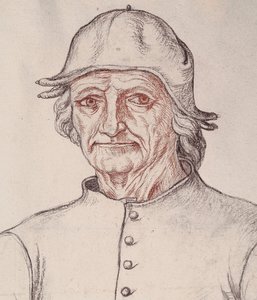
Hieronymus Bosch's "Beggars," a meticulously rendered pen and ink drawing, isn’t merely a depiction of poverty; it’s a profound meditation on human nature, steeped in the anxieties and moral complexities of late medieval Europe. Created around 1500, this work transcends its subject matter to become a haunting allegory, reflecting Bosch's signature blend of meticulous realism with fantastical and unsettling imagery—a visual vocabulary that continues to captivate and disturb centuries later. The drawing’s stark monochrome palette – shades of gray and white – immediately establishes an atmosphere of solemnity and unease, mirroring the hardship depicted within its crowded composition. It’s a scene not of simple charity, but of a deeper, more unsettling truth about societal structures and human vulnerability.
Bosch's genius lies in his ability to imbue everyday subjects with symbolic weight. The figures sprawled across the frame—beggars, crippled individuals, and those seemingly lost in contemplation—are not simply portraits of the destitute; they represent a broader critique of societal failings. The sheer density of the scene, achieved through overlapping forms and intricate hatching techniques, creates a claustrophobic effect, mirroring the feeling of entrapment experienced by these marginalized members of society. The lack of a clear focal point forces the viewer to confront the multitude of sorrows represented, demanding an active engagement with the artwork’s unsettling narrative.
“Beggars” is a testament to Bosch's extraordinary technical skill. The work is dominated by fine, precise lines—a hallmark of his meticulous penmanship. Bosch masterfully employs hatching and cross-hatching techniques to build up tonal values and define the forms of the figures with remarkable detail. This painstaking process creates an illusion of texture and volume, giving a tangible quality to the seemingly frail bodies depicted. The varying pressure applied to the quill results in subtle shifts in tone, mimicking the play of light and shadow—a sophisticated technique that elevates the drawing beyond simple representation.
The choice of pen and paper is crucial to understanding the artwork’s character. The delicate lines evoke a sense of fragility and vulnerability, mirroring the plight of the subjects depicted. The stark contrast between the dark ink and the white paper creates an almost theatrical effect, emphasizing the figures' isolation and despair. It’s a deliberate choice that underscores the drawing’s emotional intensity.
As with much of Bosch’s oeuvre, “Beggars” is laden with symbolic meaning—though its precise interpretations remain open to debate. The figures themselves can be seen as representations of sin, temptation, or the consequences of moral decay. The presence of animals – a recurring motif in Bosch's work – adds another layer of complexity, suggesting a blurring of boundaries between humanity and the natural world. Some scholars have linked the scene to biblical narratives of judgment and punishment, while others interpret it as a commentary on the social injustices prevalent during Bosch’s time.
The overall effect is profoundly unsettling—a visual representation of human suffering and the potential for corruption within society. “Beggars” isn't simply a depiction of poverty; it’s an invitation to confront uncomfortable truths about ourselves and the world around us, a timeless reminder of the enduring challenges faced by those on the margins of society.
1450 - 1516 , Holland


Hold dig opdateret med de seneste kunstnyheder, eksklusive tilbud og indretningsideer.
Fortæl os om dit projekt, og vores kunsteksperter vil give dig 3 personlige kunstforslag.
Vi kuraterer 3 valgmuligheder kun til dig – Gratis!


 Se i fuld skala
 Del
Del Del
Del
 Detaljer

 Download
 Lignende værker
 Røntgenundersøgelse
 Diasshow
 Se mere