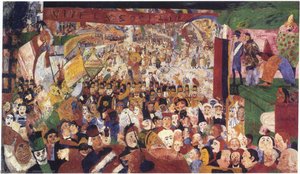
Giclée- eller lærredstryk i museumskvalitet med hurtig produktion og fleksible muligheder for finish. ( Skift til håndmalet maleri Skift til billede)
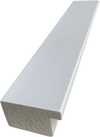
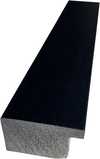
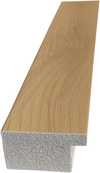
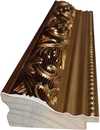
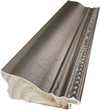
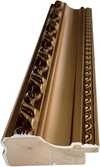
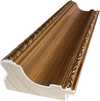
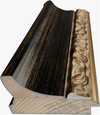
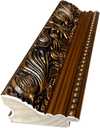
Vælg mellem vores forudindstillede størrelser, der matcher kunstværkets originale proportioner.

Du kan indtaste dine egne mål for at passe til en specifik ramme eller et bestemt område. Hvis den valgte størrelse ikke stemmer overens med det originale billedes proportioner, vil vi enten beskære kunstværket eller udvide billedet med en spejlet eller ensfarvet kant. En digital mockup vil blive sendt til din godkendelse, før produktionen påbegyndes.
Bemærk venligst, at forhåndsvisningen på skærmen ikke afspejler den faktiske beskæring eller udvidelse. Kun mockuppen vil nøjagtigt vise den endelige komposition.
Selvom specialmål er tilgængelige, anbefaler vi at vælge et mål fra den foruddefinerede liste for at bevare de originale proportioner.
Verdensomspændende levering () på 2 uger i stedet for de sædvanlige 4/5 uger. (31 juli)


Le Marais
Størrelse på reproduktion
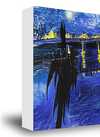
James Ensor's “Le Marais,” though shrouded in some mystery regarding its exact date and precise location (likely referencing the marshlands of Normandy, as suggested by related research), offers a profoundly unsettling yet undeniably beautiful vision of rural life. Painted around 1890-1900, this work represents a pivotal moment in Ensor’s artistic development, firmly establishing his unique style – a potent blend of Symbolism, Expressionism, and touches of the grotesque. The painting depicts a seemingly idyllic landscape: a field dotted with trees under a cloudy sky, populated by two figures engaged in quiet contemplation. However, beneath this surface tranquility lies a palpable sense of unease, a feeling that something is profoundly *off*. This isn’t a straightforward pastoral scene; it's an exploration of the anxieties and hidden realities lurking beneath the veneer of everyday existence – a hallmark of Ensor’s artistic vision.
Ensor’s technique is immediately striking. He employs a thick, impasto application of paint, building up layers of color to create a tactile surface that seems almost sculptural. The brushstrokes are deliberately rough and uneven, contributing to the painting's overall sense of agitation. Notice how he uses contrasting colors – the muted greens and browns of the field against the stormy grey sky – to heighten the drama. The composition is carefully constructed; the two figures are positioned in a way that draws the viewer’s eye into the scene, while the receding trees create a strong sense of depth. The placement of these figures, seemingly isolated yet connected by their shared observation, adds to the painting's enigmatic quality. It’s important to note Ensor’s deliberate rejection of academic realism; he wasn’t aiming for photographic accuracy but rather to convey an emotional truth.
“Le Marais” is rich in symbolic detail, reflecting Ensor's fascination with masks, death, and social commentary. The cloudy sky, a frequent motif in his work, often represents impending doom or psychological turmoil. The two figures themselves are ambiguous; their identities remain unknown, allowing the viewer to project their own anxieties onto them. Some art historians suggest they might represent a couple confronting an uncertain future, while others interpret them as symbols of isolation and alienation. The marshland setting itself – “Le Marais” – carries significant historical weight in France, associated with both wealth and decay, suggesting themes of lost grandeur and the passage of time. The inclusion of these elements subtly hints at a critique of societal norms and the anxieties of modernity.
James Ensor was a crucial figure in bridging the gap between Symbolism and Expressionism, and “Le Marais” exemplifies this transition. His work anticipated many of the key characteristics of Expressionist art – distorted forms, exaggerated colors, and an emphasis on subjective experience. He deliberately created unsettling images that challenged conventional notions of beauty and harmony, paving the way for artists like Edvard Munch and Ernst Ludwig Kirchner. Ensor’s willingness to confront uncomfortable truths about the human condition—his exploration of mortality, social anxieties, and psychological distress—continues to resonate with viewers today. BuyPopArt offers exceptional reproductions of “Le Marais,” allowing you to experience the power and complexity of this seminal work firsthand.
Explore high-quality, hand-painted reproductions of James Ensor’s “Le Marais” at BuyPopArt. Bring the unsettling beauty and profound symbolism of this iconic painting into your home or office.
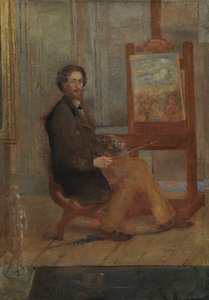
1860 - 1949 , Belgien

Explore the unsettling yet captivating world of James Ensor, a pioneer of Expressionism. Discover his satirical masterpieces, symbolic imagery & lasting influence on modern art. High-quality reproductions available at BuyPopArt.

Explore the dramatic power of Baroque landscape painting! Discover Rembrandt, Vermeer & Caravaggio's techniques, symbolism & lasting influence. Expert insights for art lovers & collectors at BuyPopArt.
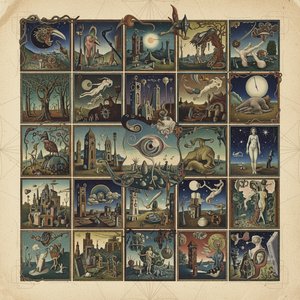
Oplev Max Ernsts 25 mest ikoniske værker! Dyk ned i surrealismens drømme, dadaismens oprør og psykologisk kunst. Find inspiration til din boligindretning & køb museumskvalitets reproduktioner på BuyPopArt.com.

Explore the captivating landscapes of Marcel Dyf (1899-1985). Discover his Impressionist roots, subtle Surrealism, and enduring legacy. Learn about his life, art, and value with BuyPopArt.

Explore the life & art of James Sant (1820-1916), renowned Victorian portraitist to Queen Victoria. Discover his captivating depictions of childhood, landscapes, and aristocratic society. Learn about his legacy & find fine art reproductions.


Hold dig opdateret med de seneste kunstnyheder, eksklusive tilbud og indretningsideer.
Fortæl os om dit projekt, og vores kunsteksperter vil give dig 3 personlige kunstforslag.
Vi kuraterer 3 valgmuligheder kun til dig – Gratis!


 Se i fuld skala
 Del
Del Del
Del
 Detaljer

 Download
 Lignende værker
 Røntgenundersøgelse
 Diasshow
 Se mere
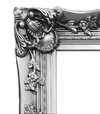
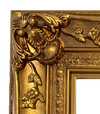
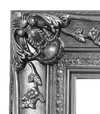
 Glasmulighed er kun tilgængelig i størrelser under 110 cm