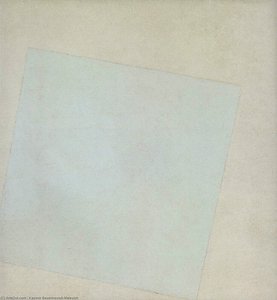
Giclée- eller lærredstryk i museumskvalitet med hurtig produktion og fleksible muligheder for finish. ( Switch to hand made Painting Switch to Image)
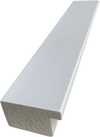
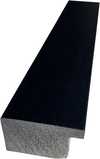
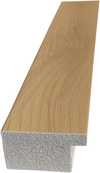
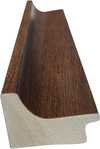
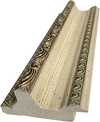
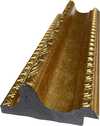
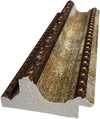
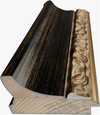
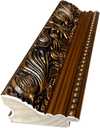
Vælg mellem vores forudindstillede størrelser, der matcher kunstværkets originale proportioner.

Du kan indtaste dine egne mål for at passe til en specifik ramme eller et bestemt område. Hvis den valgte størrelse ikke stemmer overens med det originale billedes proportioner, vil vi enten beskære kunstværket eller udvide billedet med en spejlet eller ensfarvet kant. En digital mockup vil blive sendt til din godkendelse, før produktionen påbegyndes.
Bemærk venligst, at forhåndsvisningen på skærmen ikke afspejler den faktiske beskæring eller udvidelse. Kun mockuppen vil nøjagtigt vise den endelige komposition.
Selvom specialmål er tilgængelige, anbefaler vi at vælge et mål fra den foruddefinerede liste for at bevare de originale proportioner.
Verdensomspændende levering () på 2 uger i stedet for de sædvanlige 4/5 uger. (30 juli)


Reaper
Størrelse på reproduktion
Kazimir Malevich's 1912 painting, ‘Reaper,’ is not merely an image of agricultural labor; it’s a pivotal moment in the seismic shift occurring within early 20th-century art. Emerging from a period of intense experimentation and artistic ferment, this work stands as a compelling bridge between the representational world and the burgeoning realm of abstraction. The scene depicts a woman, bent in the act of tying her shoes – or perhaps tending to the earth itself – rendered not with realistic detail but through the fractured planes and bold color choices characteristic of Cubism. A red hat punctuates the composition, drawing the eye amidst the geometric deconstruction of form. Hints of other figures linger in the background, suggesting a communal existence yet remaining deliberately indistinct, almost spectral. The inclusion of an umbrella adds a curious element, perhaps symbolizing protection or simply another facet of everyday life caught within Malevich’s innovative vision.
Born in Kyiv Oblast, Ukraine, to a Polish family, Kazimir Malevich carried the weight of his cultural heritage throughout his artistic journey. His early exposure to Ukrainian folk art instilled in him an appreciation for simplified forms and vibrant colors – elements that would subtly resurface even as he ventured into radical abstraction. However, it was a transformative trip to Paris in 1912 that truly ignited his artistic evolution. Immersed in the heart of the European avant-garde, Malevich encountered the groundbreaking work of Cubists like Picasso and Braque. He absorbed their techniques of fragmentation and multiple perspectives, but rather than simply imitating them, he began to synthesize these influences with his own unique sensibility. ‘Reaper’ is a testament to this synthesis – a painting that demonstrates a clear understanding of Cubist principles while simultaneously hinting at the distinct path Malevich would soon forge.
‘Reaper’ occupies a crucial position in Malevich's artistic development, preceding his most famous and revolutionary creation – the ‘Black Square.’ While still rooted in recognizable subject matter, the painting demonstrates Malevich’s growing desire to move beyond mere representation. He wasn’t interested in depicting *what* he saw, but rather in conveying *how* he felt about what he saw. This pursuit of pure feeling would ultimately lead him to Suprematism, an artistic movement centered on basic geometric forms and a limited color palette. In ‘Reaper,’ we see the seeds of this philosophy being sown – the simplification of form, the emphasis on underlying structure, and the rejection of traditional perspective all point towards the radical abstraction that lay ahead. The painting isn’t about a woman tying her shoes; it's about the essence of human labor, the geometry inherent in everyday life, and the artist’s attempt to distill these concepts into their purest form.
The impact of Kazimir Malevich extends far beyond his own body of work. He fundamentally altered the course of 20th-century art, paving the way for movements like Minimalism and Conceptual Art. ‘Reaper,’ though often overshadowed by his later, more purely abstract creations, remains a vital piece in understanding this evolution. It’s a painting that challenges viewers to reconsider their perceptions of reality, to look beyond surface appearances, and to appreciate the power of form and color as independent expressive elements. For collectors and interior designers alike, a reproduction of ‘Reaper’ offers not just an aesthetically striking addition to any space, but also a conversation starter – a window into a pivotal moment in art history and a testament to the enduring legacy of one of its most visionary pioneers.

1878 - 1935 , Ukraine

Oplev Kazimir Malevichs 25 mest ikoniske værker! Dyk ned i Suprematismens verden, fra 'Sort Firkant' til 'Hvidt på Hvidt'. Find inspiration og køb museumskvalitets kunsttryk hos BuyPopArt.com – din kilde til abstrakt kunst & eksklusiv vægkunst.

Oplev de 10 mest ikoniske værker inden for geometrisk abstraktion! Fra Kandinsky til Mondrian – lær historierne bag disse banebrydende kunstnere og deres farverige malerier. Find museumskvalitets reproduktioner & inspiration til din indretning på BuyPopArt.dk.
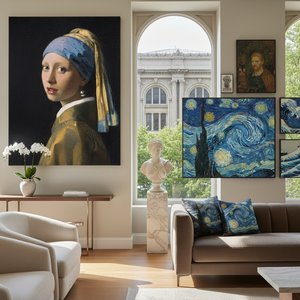
Oplev de 25 mest ikoniske kunstværker fra Metropolitan Museum of Art i New York! Fra Monet til Van Gogh – lær historierne bag mesterværkerne og find inspiration til dit hjem. Køb museumskvalitets reproduktioner på BuyPopArt.com.
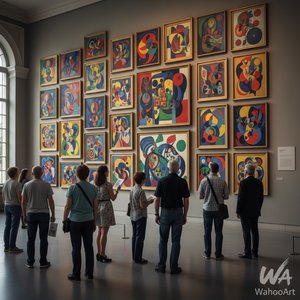
Oplev Kandinskys 25 mest ikoniske værker! Dyk ned i abstrakt kunst, ekspressionisme og farvernes sprog. Find luksus reproduktioner af berømte malerier som 'Komposition VIII' på BuyPopArt.com – inspiration til din vægkunst & indretning.
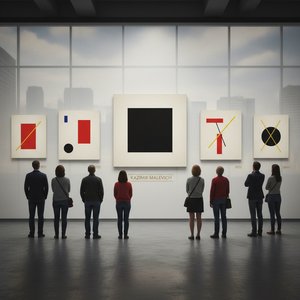
Explore the revolutionary art of Kazimir Malevich & his groundbreaking Suprematism movement. Discover the origins, core principles, and lasting impact of this pivotal force in modern abstract painting.


Hold dig opdateret med de seneste kunstnyheder, eksklusive tilbud og indretningsideer.
Fortæl os om dit projekt, og vores kunsteksperter vil give dig 3 personlige kunstforslag.
Vi kuraterer 3 valgmuligheder kun til dig – Gratis!


 Preview
 Del
Del Del
Del
 Detaljer

 Download
 Lignende værker
 Røntgenundersøgelse
 Diasshow

 Se mere

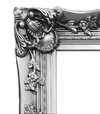
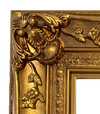
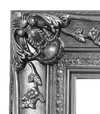
 Glasmulighed er kun tilgængelig i størrelser under 110 cm