

 Mixed MediaWallArtCubist
 1920Modern
 42.0 x 49.0 cm
 Lenbachhaus
Giclée- eller lærredstryk i museumskvalitet med hurtig produktion og fleksible muligheder for finish. ( Køb håndlavet maleri Køb billede)
Vælg mellem vores forudindstillede størrelser, der matcher kunstværkets originale proportioner.

Du kan indtaste dine egne mål for at passe til en specifik ramme eller et bestemt område. Hvis den valgte størrelse ikke stemmer overens med det originale billedes proportioner, vil vi enten beskære kunstværket eller udvide billedet med en spejlet eller ensfarvet kant. En digital mockup vil blive sendt til din godkendelse, før produktionen påbegyndes.
Bemærk venligst, at forhåndsvisningen på skærmen ikke afspejler den faktiske beskæring eller udvidelse. Kun mockuppen vil nøjagtigt vise den endelige komposition.
Selvom specialmål er tilgængelige, anbefaler vi at vælge et mål fra den foruddefinerede liste for at bevare de originale proportioner.
Verdensomspændende levering () på 2 uger i stedet for de sædvanlige 4/5 uger. (12 august)


Rose Garden
Størrelse på reproduktion
In the quiet corners of the Lenbachhaus in Munich, Paul Klee’s “Rose Garden” (1920) awaits, offering a visual experience that transcends the boundaries of mere painting. To gaze upon this masterpiece is to step into a world where the organic and the architectural dance in perfect, rhythmic unison. Created during a pivotal moment in Klee's life—shortly after his service in the First World War and around the time he joined the legendary Bauhaus faculty—the work serves as a profound exploration of form and color. It is not simply a depiction of flora, but a carefully constructed symphony where every triangle and rectangle acts as a musical note, building toward a crescendo of visual delight.
The painting immediately captivates with its vibrant, warm palette. A sea of reds, oranges, and soft pinks dominates the canvas, creating an atmosphere that feels both sun-drenched and intimately tender. Yet, Klee masterfully interweaves these warmth-driven tones with cooler purples, whites, and subtle greys, preventing the composition from becoming overwhelming. This delicate balance of temperature creates a sense of depth and movement, as if the garden itself is breathing through the layers of color.
Klee’s technique in “Rose Garden” defies the conventional perspective we often expect from landscape art. Instead of a literal representation of a garden, he presents a fractured, Cubist-inspired landscape composed of geometric shapes. Sharp-edged rectangles and triangles overlap and intersect, creating a structural complexity that suggests both a map-like cityscape and a lush, botanical arrangement. This interplay between the rigid and the fluid is where the true magic of the piece resides; while the sharp lines provide an architectural skeleton, the soft, circular motifs—resembling the roses themselves—soften the edges, injecting a sense of organic spontaneity into the geometric grid.
The artist likely employed a rich mixed-media approach, utilizing oil, watercolor, and perhaps even pencil on paper or cardboard. This layering technique lends the surface a tactile, textured quality that invites closer inspection. For the discerning collector or interior designer, this texture provides a sophisticated depth that allows the artwork to transform depending on the lighting of a room. The way the colors appear in distinct, unblended patches enhances the decorative, almost mosaic-like effect, making it an ideal centerpiece for spaces that value modern abstraction and rhythmic design.
Beyond its formal brilliance, “Rose Garden” resonates with a deep, symbolic soul. Klee, a trained violinist, often approached his canvases as if composing music, and one can hear the melody in the way the shapes are arranged. The roses, scattered like bright blossoms across a structured terrain, serve as symbols of eternal presence and beauty amidst the chaos of life. There is a whimsical, almost playful energy to the work, yet it carries an underlying layer of contemplative stillness. It captures that fleeting moment where nature’s wildness meets human order.
For those seeking to bring a piece of art history into their personal sanctuary, this reproduction offers more than just aesthetic beauty; it offers an emotional anchor. Whether placed in a contemporary minimalist setting or a classic, richly textured study, “Rose Garden” provides a window into the visionary mind of Paul Klee. It is a testament to the power of abstraction to capture the very essence of life—not through what we see with our eyes, but through what we feel within our hearts.
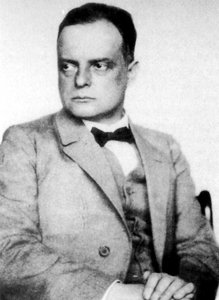
1879 - 1940 , Schweiz

Discover the power of Neo-Abstract art. Explore how bold geometric forms and high-impact visual energy are redefining modern design. Learn to curate sophisticated, high-energy spaces with the latest trends in contemporary abstraction and structural color.

Discover the high-impact world of Geometric Abstraction. From Cubist roots to modern urban trends, explore how bold shapes and colors redefine contemporary design. Elevate your space with expert art insights and custom-made abstract masterpieces.

Master the high-impact world of contemporary abstraction. Discover how bold colors, textures, and modern movements like Abstract Expressionism can transform your space with premium, high-energy art curated for the design-conscious professional.


Hold dig opdateret med de seneste kunstnyheder, eksklusive tilbud og indretningsideer.
Fortæl os om dit projekt, og vores kunsteksperter vil give dig 3 personlige kunstforslag.
Vi kuraterer 3 valgmuligheder kun til dig – Gratis!


 Se i fuld skala
 Del
Del Del
Del
 Detaljer

 Download
 Lignende værker
 Røntgenundersøgelse
 Diasshow
 Se mere




































 Glasmulighed er kun tilgængelig i størrelser under 110 cm


