x

 Bestil tryk Køb højopløseligt billede
 Del
Del
 Detaljer
 Tilføj til favoritter
 Download
 Lignende værker
 Røntgenundersøgelse
 Diasshow
 Acrylic On CanvasWallArtPop Art
 Contemporary
 124.0 x 125.0 cm
 Chrysler Museum of Art
Håndmalet olie på lærred i din valgte størrelse og ramme, udført efter bestilling af vores kunstnere.
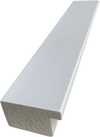
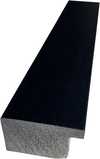
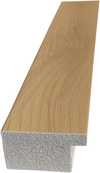
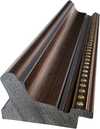
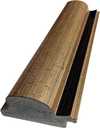
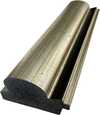
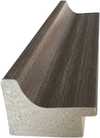
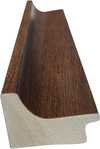
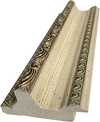
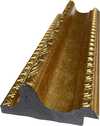
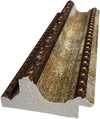
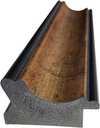
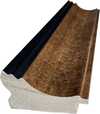
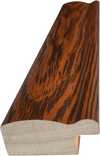
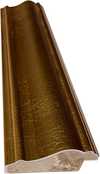
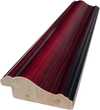
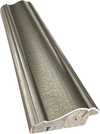
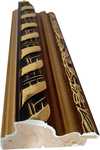
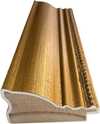
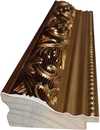
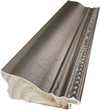
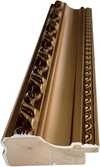
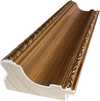
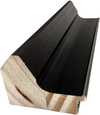
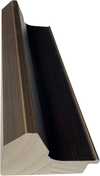
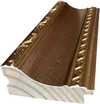
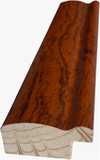
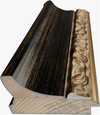
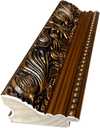
Vælg mellem vores forudindstillede størrelser, der matcher kunstværkets originale proportioner.

Du kan indtaste dine egne mål for at passe til en bestemt ramme eller plads. Hvis den valgte størrelse ikke stemmer overens med det originale billedes proportioner, vil vi enten beskære kunstværket eller udvide maleriet med yderligere håndmalede elementer. En digital skitse sendes til din godkendelse, før produktionen påbegyndes.
Bemærk venligst, at forhåndsvisningen på skærmen ikke afspejler den faktiske beskæring eller udvidelse. Kun skitsen vil nøjagtigt vise den endelige komposition.
Selvom specialmål er mulige, anbefaler vi at vælge en dimension fra den foruddefinerede liste for at bevare de originale proportioner.
Levering i hele verden () på 3/4 uger i stedet for de standard 5 uger. (16 juli). Ingen kompromiser med kvaliteten.


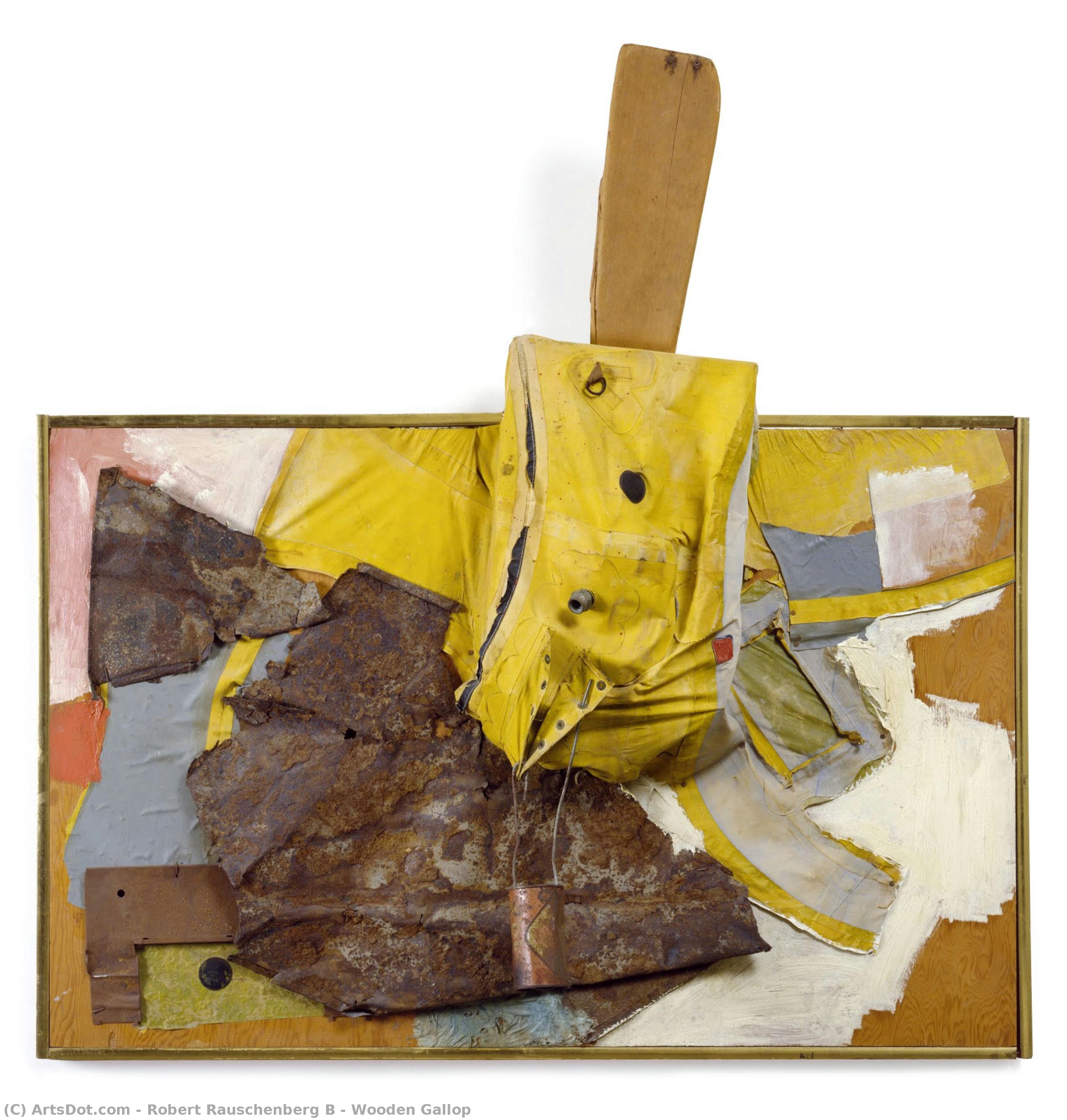
Wooden Gallop
Størrelse på reproduktion
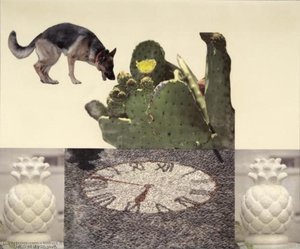
Robert Rauschenberg's "Wooden Gallop," painted in the early 1960s, isn’t merely a painting; it’s an invitation to a conversation with chance, incongruity, and the very nature of art itself. Emerging from a period of radical experimentation within the American art scene – a time when artists were actively dismantling traditional boundaries between disciplines – this work embodies Rauschenberg's signature “Combine” aesthetic: a deliberate blurring of lines between painting, sculpture, collage, and everyday objects. The piece immediately confronts the viewer with an apparent jumble—a weathered wooden form, seemingly a fragment of a discarded structure, is draped in a yellow cloth, while scattered around it are elements that whisper of forgotten voyages: a section of life raft, rusted metal shards, and even what appears to be a small, unsettling bird. Yet, within this seeming chaos, a remarkable balance emerges – a quiet harmony achieved through Rauschenberg’s masterful orchestration of disparate materials.
Rauschenberg's approach to art during the 1960s was profoundly influenced by his experiences in Black Mountain College, where he studied alongside figures like Josef Albers and Max Ernst. This environment fostered a spirit of experimentation and a rejection of rigid artistic conventions. “Combines,” as Rauschenberg termed them, were born from this ethos – works that incorporated found objects, photographs, text, and painted surfaces, often assembled directly onto the canvas. “Wooden Gallop” exemplifies this technique perfectly; it’s not about creating a singular, representational image but rather constructing an experience—a layered narrative suggested through the juxtaposition of these seemingly unrelated elements. The wooden form itself acts as a grounding element, anchoring the composition while simultaneously inviting speculation about its origins and purpose.
The painting’s surface is a testament to Rauschenberg's innovative approach to paint application. He employed a technique he called “all-over,” meaning that the paint was applied evenly across the entire canvas, without a discernible focal point or compositional structure. This deliberate lack of hierarchy mirrors the work’s overall sense of disorientation and invites the viewer to engage with the piece on an equal footing. The use of matte acrylic paints creates a tactile quality, further emphasizing the materiality of the objects incorporated into the composition. The rust and weathered wood speak to time and decay, while the yellow cloth introduces a vibrant, almost unsettling contrast. The inclusion of the life raft fragment subtly evokes themes of travel, loss, and perhaps even the precariousness of human existence – a poignant reminder of journeys undertaken and destinations unknown.
“Wooden Gallop” resists easy interpretation, deliberately embracing ambiguity. The bird, for instance, could be seen as a symbol of freedom or, conversely, as a harbinger of unease. The life raft fragment hints at journeys both literal and metaphorical – the search for stability in an uncertain world. Rauschenberg himself resisted providing definitive explanations for his work, stating that he wanted to create objects that “suggested” rather than “explained.” This deliberate opacity encourages viewers to project their own experiences and emotions onto the piece, transforming it into a deeply personal encounter. The title itself – "Wooden Gallop" – is evocative of both movement and instability, perfectly capturing the painting’s dynamic energy.
“Wooden Gallop” stands as a pivotal work in Robert Rauschenberg's oeuvre and a landmark achievement in 20th-century art. It represents a radical departure from traditional artistic practices, paving the way for subsequent generations of artists who challenged established norms and embraced experimentation. Its influence can be seen in the rise of Pop Art, Neo-Dada, and assemblage art, as well as in contemporary approaches to installation and mixed media. Today, reproductions of “Wooden Gallop” continue to resonate with audiences, offering a glimpse into a world where chaos and harmony coexist, and where the boundaries between art and life are delightfully blurred.
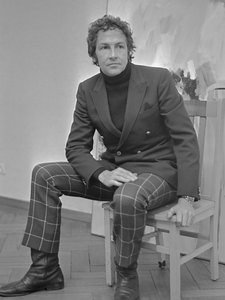
1925 - 2008 , USA
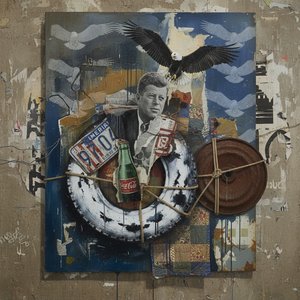
Explore the revolutionary art of Robert Rauschenberg – Combines, silkscreens & more. Discover his impact on Pop Art, investment potential & collecting insights for discerning art collectors.
Explore the captivating history of marble sculpture from ancient Greece to modern art. Discover renowned artists like Canova & Michelangelo, carving techniques, and investment insights at BuyPopArt.
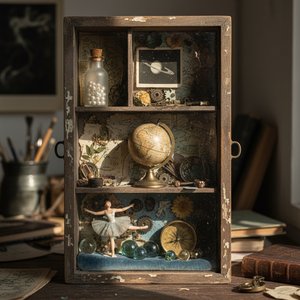
Explore the captivating world of Joseph Cornell's assemblage art & shadow boxes. Discover his unique process, Surrealist influences, and lasting legacy with BuyPopArt.
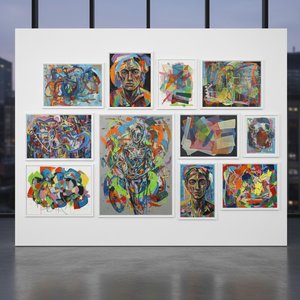
Oplev de 10 mest legendariske akrylmesterværker, der revolutionerede kunsten! Fra Jackson Pollock til Andy Warhol – dyk ned i historierne bag disse ikoniske værker og find inspiration til dit hjem. Køb museumskvalitets kunsttryk på BuyPopArt.com.

Oplev Georges Braques 25 mest ikoniske kunstværker! Dyk ned i kubismens verden, fra stilleben til analyse af form og farve. Find inspiration & køb eksklusive reproduktioner på BuyPopArt.com – museumskvalitet til dit hjem.


Hold dig opdateret med de seneste kunstnyheder, eksklusive tilbud og indretningsideer.
Fortæl os om dit projekt, og vores kunsteksperter vil give dig 3 personlige kunstforslag.
Vi kuraterer 3 valgmuligheder kun til dig – Gratis!


 Del
Del

 Se mere
 Glasmulighed er kun tilgængelig i størrelser under 110 cm