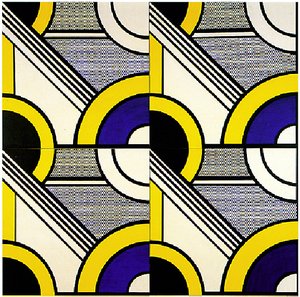
Håndmalet olie på lærred i din valgte størrelse og ramme, udført efter bestilling af vores kunstnere. ( Skift til print Skift til billede)
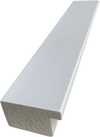
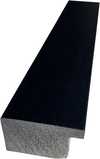
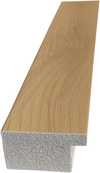
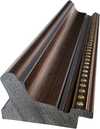
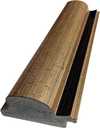
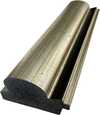
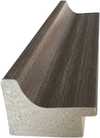
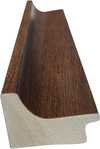
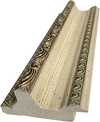
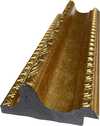
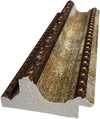
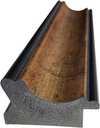
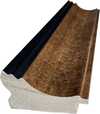
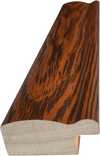
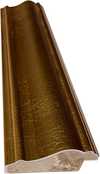
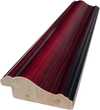
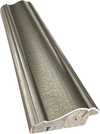
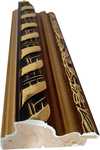
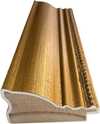
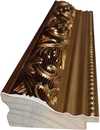
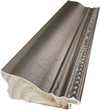
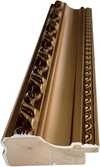
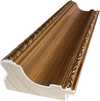
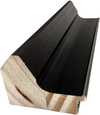
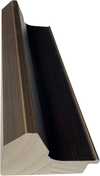
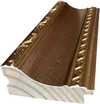
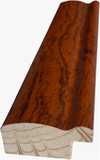
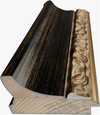
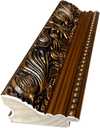
Vælg mellem vores forudindstillede størrelser, der matcher kunstværkets originale proportioner.

Du kan indtaste dine egne mål for at passe til en bestemt ramme eller plads. Hvis den valgte størrelse ikke stemmer overens med det originale billedes proportioner, vil vi enten beskære kunstværket eller udvide maleriet med yderligere håndmalede elementer. En digital skitse sendes til din godkendelse, før produktionen påbegyndes.
Bemærk venligst, at forhåndsvisningen på skærmen ikke afspejler den faktiske beskæring eller udvidelse. Kun skitsen vil nøjagtigt vise den endelige komposition.
Selvom specialmål er mulige, anbefaler vi at vælge en dimension fra den foruddefinerede liste for at bevare de originale proportioner.
Levering i hele verden () på 3/4 uger i stedet for de standard 5 uger. (30 juli). Ingen kompromiser med kvaliteten.


Bugs Bunny
Størrelse på reproduktion
Roy Lichtenstein’s “Bugs Bunny” isn’t merely a depiction of the iconic cartoon character; it’s a meticulously crafted embodiment of the Pop Art movement’s revolutionary approach to imagery and representation. Executed in 1957, this painting captures Bugs Bunny in a moment of calculated menace – his open mouth, exaggerated teeth, and piercing gaze transforming the beloved rabbit into a potent symbol of American popular culture. The work stands as a testament to Lichtenstein's ability to elevate everyday subjects—in this case, a cartoon character—to the level of high art, challenging traditional notions of artistic merit and demanding attention to the visual language of mass media.
“Bugs Bunny” is deeply embedded within the context of 1950s America, a period defined by burgeoning consumer culture, mass media saturation, and the rise of popular entertainment. Bugs Bunny himself was—and remains—a cornerstone of this cultural landscape, representing irreverence, cunning, and ultimately, American ingenuity. Lichtenstein’s choice to depict him in an aggressive pose – a rare moment of vulnerability for the typically cheerful character – adds another layer of complexity. This deliberate subversion of the cartoon's established persona speaks to Pop Art’s broader critique of idealized representations and its embrace of the commonplace.
Created in 1957, “Bugs Bunny” emerged during a pivotal moment in art history. Roy Lichtenstein was at the forefront of the Pop Art movement, alongside artists like Andy Warhol and Claes Oldenburg. This movement challenged the dominance of Abstract Expressionism and sought to engage with contemporary culture through the appropriation of imagery from advertising, comic books, and popular media. Lichtenstein’s work has had a profound influence on subsequent generations of artists, solidifying his place as one of the 20th century's most important and influential figures. This reproduction offers a direct connection to this groundbreaking artistic movement, allowing you to experience Lichtenstein's innovative approach firsthand.

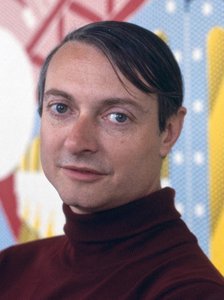
1923 - 1997 , USA
Udforsk popkunstens verden med ekspertvejledning. Find unikke værker, investeringstips og inspiration til din indretning. Køb kvalitetskunst online – skabt af professionelle kunstnere.
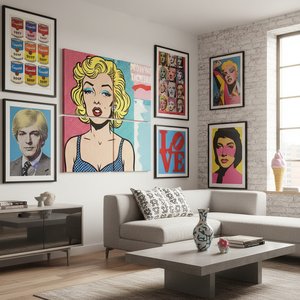
Oplev Pop Art's 10 mest ikoniske værker! Fra Andy Warhol til Roy Lichtenstein – dyk ned i historien bag farverige mesterværker og find inspiration til din bolig. Køb museumskvalitets kunsttryk på BuyPopArt.com.
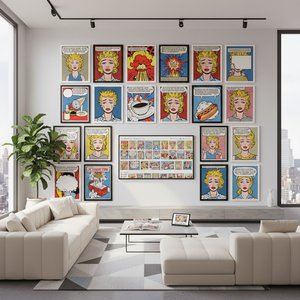
Oplev Roy Lichtensteins 25 mest ikoniske pop art værker. Dyk ned i historien bag kunstneren, teknikken og farverne der definerede en æra. Find museumskvalitets reproduktioner og inspiration til dit hjem på BuyPopArt.com
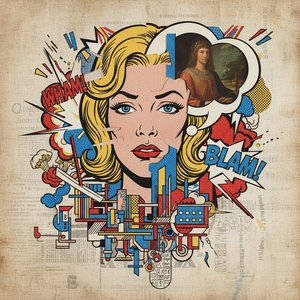
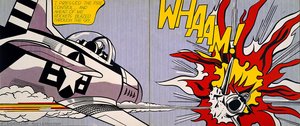
Explore Roy Lichtenstein's revolutionary Pop Art! Discover the story behind Ben-Day dots, iconic works like 'Whaam!', and investment insights for collectors. Expert analysis & high-quality reproductions at BuyPopArt.

Elevate your interiors with impactful statement walls! Expert guide on scaling artwork for perfect proportions & design harmony. Custom solutions & free consultations at BuyPopArt.


Hold dig opdateret med de seneste kunstnyheder, eksklusive tilbud og indretningsideer.
Fortæl os om dit projekt, og vores kunsteksperter vil give dig 3 personlige kunstforslag.
Vi kuraterer 3 valgmuligheder kun til dig – Gratis!


 Se i fuld skala
 Del
Del Del
Del
 Detaljer

 Download
 Lignende værker
 Røntgenundersøgelse
 Diasshow

 Se mere
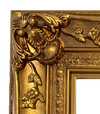
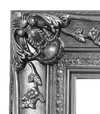
 Glasmulighed er kun tilgængelig i størrelser under 110 cm