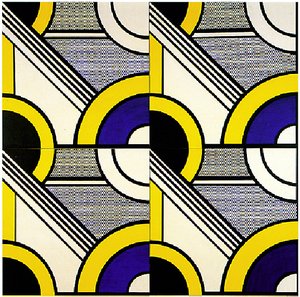
Giclée- eller lærredstryk i museumskvalitet med hurtig produktion og fleksible muligheder for finish. ( Skift til håndmalet maleri Skift til billede)
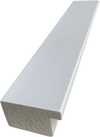
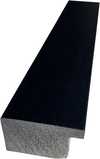
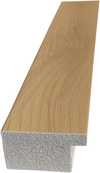
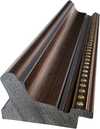
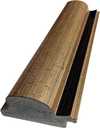
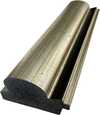
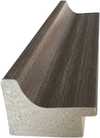
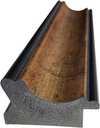
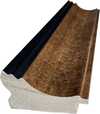
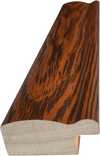
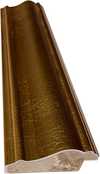
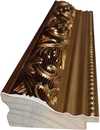
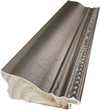
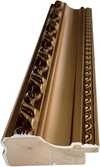
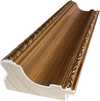
Vælg mellem vores forudindstillede størrelser, der matcher kunstværkets originale proportioner.

Du kan indtaste dine egne mål for at passe til en specifik ramme eller et bestemt område. Hvis den valgte størrelse ikke stemmer overens med det originale billedes proportioner, vil vi enten beskære kunstværket eller udvide billedet med en spejlet eller ensfarvet kant. En digital mockup vil blive sendt til din godkendelse, før produktionen påbegyndes.
Bemærk venligst, at forhåndsvisningen på skærmen ikke afspejler den faktiske beskæring eller udvidelse. Kun mockuppen vil nøjagtigt vise den endelige komposition.
Selvom specialmål er tilgængelige, anbefaler vi at vælge et mål fra den foruddefinerede liste for at bevare de originale proportioner.
Verdensomspændende levering () på 2 uger i stedet for de sædvanlige 4/5 uger. (3 august)


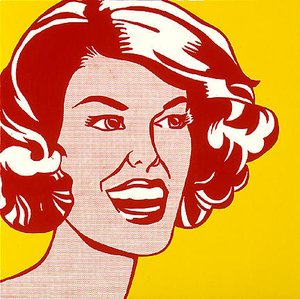
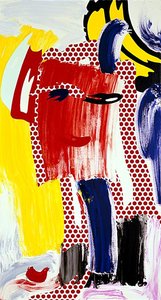
Portrait II
Størrelse på reproduktion
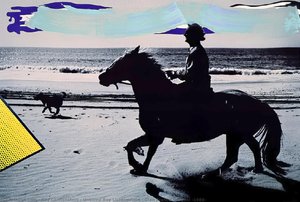
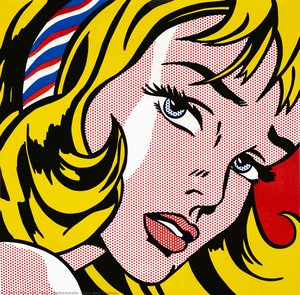
Roy Lichtenstein’s “Portrait II,” painted in 1986, is more than just a depiction of a figure with a banana; it’s a meticulously crafted explosion of color and a potent commentary on the burgeoning world of Pop Art. This vibrant work immediately grabs the viewer's attention with its unapologetic use of red and yellow – hues that evoke both energy and a slightly unsettling familiarity, mirroring the anxieties and consumerism prevalent in American society during the late 20th century.
The painting’s subject, rendered in Lichtenstein’s signature Ben-Day dot technique, possesses an almost cartoonish quality. The red scarf adds a touch of theatricality, while the banana itself – a symbol of abundance and perhaps even indulgence – is placed with deliberate incongruity atop the figure's head. This juxtaposition immediately disrupts any expectation of traditional portraiture, aligning it squarely within the Pop Art movement’s fascination with elevating everyday objects and imagery to the level of fine art.
Born in Manhattan in 1923, Roy Fox Lichtenstein's artistic trajectory was shaped by a unique blend of influences. His upbringing within an affluent Jewish family exposed him to the cultural richness of New York City and fostered a deep appreciation for art and music – particularly jazz. This early exposure, combined with formal training at the Art Students League under Reginald Marsh and subsequent studies at Ohio State University, provided the foundation for his revolutionary approach to painting. Lichtenstein’s decision to embrace comic book imagery and techniques was not merely an aesthetic choice; it was a deliberate rejection of the perceived elitism of traditional fine art, aligning himself with a generation seeking to democratize artistic expression.
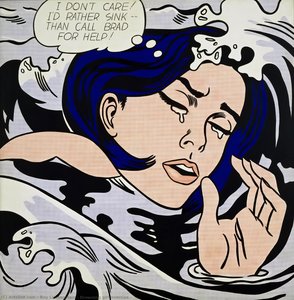
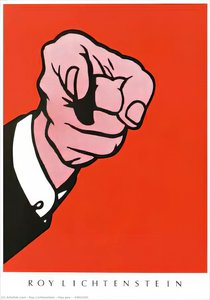
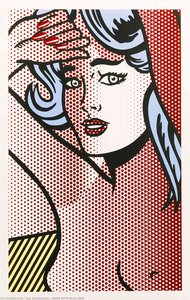
“Portrait II” exemplifies Lichtenstein’s mastery of the Ben-Day dot technique, a method borrowed from commercial printing. This process involves applying tiny dots of color that, when viewed at a distance, blend together to create an illusion of shading and tone. The resulting effect is characteristic of Pop Art – flat, graphic, and intensely colorful. The meticulous application of these dots creates a sense of depth and texture while simultaneously reinforcing the painting’s artificial, almost manufactured quality. This technique was not simply a stylistic choice; it directly referenced the mass-produced imagery that Lichtenstein sought to critique and elevate.
The banana, a seemingly simple object, carries significant symbolic weight within the context of the artwork. It can be interpreted as a symbol of consumer culture, excess, or even the absurdity of modern life. The figure’s passive acceptance of this incongruous adornment suggests a commentary on conformity and the unquestioning embrace of popular trends. “Portrait II” is not intended to evoke profound emotional responses but rather to provoke thought and challenge viewers' perceptions of art and reality. Its bold colors and graphic style create an immediate visual impact, inviting contemplation about the relationship between art, commerce, and society.

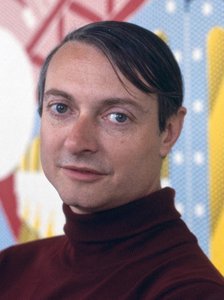
1923 - 1997 , USA
Udforsk popkunstens verden med ekspertvejledning. Find unikke værker, investeringstips og inspiration til din indretning. Køb kvalitetskunst online – skabt af professionelle kunstnere.

Få et unikt popkunst maleri skræddersyet til dig! Eksperter i at forvandle dine yndlingsmotiver til kunstværker af høj kvalitet. Bestil nu og få personlig rådgivning.

Skab et tidløst minde med et håndmalet portræt fra BuyPopArt! Vores erfarne kunstnere genskaber dine billeder til unikke mesterværker. Kvalitet, personlighed og ekspertise – find din perfekte gave eller invester i din boligs skønhed.
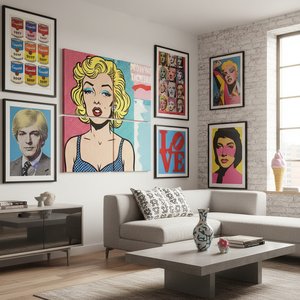
Oplev Pop Art's 10 mest ikoniske værker! Fra Andy Warhol til Roy Lichtenstein – dyk ned i historien bag farverige mesterværker og find inspiration til din bolig. Køb museumskvalitets kunsttryk på BuyPopArt.com.
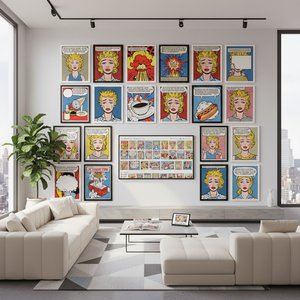
Oplev Roy Lichtensteins 25 mest ikoniske pop art værker. Dyk ned i historien bag kunstneren, teknikken og farverne der definerede en æra. Find museumskvalitets reproduktioner og inspiration til dit hjem på BuyPopArt.com


Hold dig opdateret med de seneste kunstnyheder, eksklusive tilbud og indretningsideer.
Fortæl os om dit projekt, og vores kunsteksperter vil give dig 3 personlige kunstforslag.
Vi kuraterer 3 valgmuligheder kun til dig – Gratis!


 Se i fuld skala
 Del
Del Del
Del
 Detaljer

 Download
 Lignende værker
 Røntgenundersøgelse
 Diasshow

 Se mere
 Glasmulighed er kun tilgængelig i størrelser under 110 cm