

Giclée- eller lærredstryk i museumskvalitet med hurtig produktion og fleksible muligheder for finish. ( Køb håndlavet maleri Køb billede)





























Vælg mellem vores forudindstillede størrelser, der matcher kunstværkets originale proportioner.

Du kan indtaste dine egne mål for at passe til en specifik ramme eller et bestemt område. Hvis den valgte størrelse ikke stemmer overens med det originale billedes proportioner, vil vi enten beskære kunstværket eller udvide billedet med en spejlet eller ensfarvet kant. En digital mockup vil blive sendt til din godkendelse, før produktionen påbegyndes.
Bemærk venligst, at forhåndsvisningen på skærmen ikke afspejler den faktiske beskæring eller udvidelse. Kun mockuppen vil nøjagtigt vise den endelige komposition.
Selvom specialmål er tilgængelige, anbefaler vi at vælge et mål fra den foruddefinerede liste for at bevare de originale proportioner.
Verdensomspændende levering () på 2 uger i stedet for de sædvanlige 4/5 uger. (20 august)


Updating Yamantaka
Størrelse på reproduktion
Tenzing Rigdol's "Updating Yamantaka" isn't merely a painting; it’s an arresting collision of ancient Tibetan iconography and contemporary unease. Created in 2010, this work transcends the boundaries of traditional thangka art, forcing us to confront uncomfortable truths about power, death, and the unsettling ways they intersect within our world. At first glance, the composition appears deceptively serene – a vibrant tapestry woven with pastel hues, intricate textile patterns reminiscent of Tibetan prayer rugs, and the solemn script of sacred texts. However, a closer examination reveals a deliberate subversion of established artistic conventions, culminating in an image that is both profoundly unsettling and intellectually stimulating.
The central figure, Yamantaka – the Lord of Death and King of the Law within the Tibetan Buddhist tradition – dominates the canvas. Traditionally depicted astride a buffalo relentlessly pursuing a human victim, symbolizing the inescapable cycle of life and death, Rigdol’s interpretation diverges dramatically. The anonymous, everyman figure representing the sacrificed individual is replaced with the unmistakable face of Osama bin Laden. This jarring juxtaposition isn't gratuitous; it serves as a potent metaphor for the anxieties of the 21st century – a world grappling with global terrorism, political instability, and the pervasive sense that ancient philosophical concepts are suddenly rendered terrifyingly relevant.
Rigdol’s artistic approach is deeply rooted in his Tibetan heritage, yet he doesn't simply replicate traditional styles. He masterfully blends these established techniques with elements of contemporary art, incorporating influences from American Sign Language (ASL) – a subtle nod to his dual identity as a Tibetan-American artist – and personal iconography that speaks to his own experiences. The deliberate layering of sacred text alongside the unsettling image of bin Laden creates a dynamic tension, suggesting a critical engagement with both spiritual and secular realms. The use of pastel colors, typically associated with serenity and spirituality, is deliberately juxtaposed against the stark reality presented by the central figure, amplifying the work’s emotional impact.
Born in Kathmandu, Nepal, in 1982, Rigdol's upbringing was shaped by his family’s displacement from Tibet. This personal history profoundly informs his artistic practice, fueling a desire to explore themes of cultural identity, exile, and the enduring legacy of tradition. His work is not simply an aesthetic exercise; it’s a deeply considered meditation on the complexities of navigating multiple worlds and grappling with profound questions about mortality and morality.
The symbolism within “Updating Yamantaka” operates on multiple levels. The buffalo, traditionally representing relentless pursuit and destruction, embodies the forces of chaos and violence that threaten to overwhelm human existence. Yamantaka himself represents the inevitable cycle of death and rebirth, a concept central to Buddhist philosophy. However, by placing the face of Osama bin Laden upon this figure, Rigdol transforms the traditional symbolism into a commentary on contemporary global conflict. The image becomes a visual representation of how ancient philosophical concepts can be reinterpreted and applied to address modern challenges – suggesting that even seemingly immutable truths are subject to change and re-evaluation.
Furthermore, the inclusion of scripture alongside the unsettling imagery highlights the ongoing dialogue between faith and reason. Rigdol invites us to consider how traditional beliefs can be both comforting and challenging in a world increasingly defined by uncertainty and conflict. The work ultimately compels viewers to confront their own assumptions about power, death, and the role of violence in shaping human destiny.
“Updating Yamantaka” is more than just a striking image; it’s a powerful statement about the interconnectedness of past and present. BuyPopArt offers high-quality reproductions that faithfully capture the painting's intricate details and emotional depth. Whether you are an art collector, an interior designer seeking to infuse your space with thought-provoking imagery, or simply someone captivated by this unique work, a reproduction of “Updating Yamantaka” is a compelling addition to any collection – a reminder of the enduring relevance of ancient wisdom in our rapidly changing world.


1982 - , Nepal
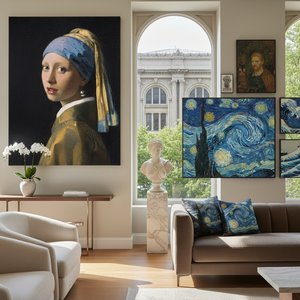
Oplev de 25 mest ikoniske kunstværker fra Metropolitan Museum of Art i New York! Fra Monet til Van Gogh – lær historierne bag mesterværkerne og find inspiration til dit hjem. Køb museumskvalitets reproduktioner på BuyPopArt.com.
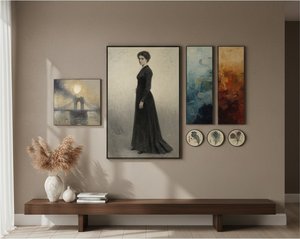
Oplev James Abbott McNeill Whistlers 25 mest ikoniske kunstværker. Fordyb dig i æstetismens verden, tonale malerier & harmoniske kompositioner. Find reproduktioner af højeste kvalitet og inspiration til din indretning på BuyPopArt.com.
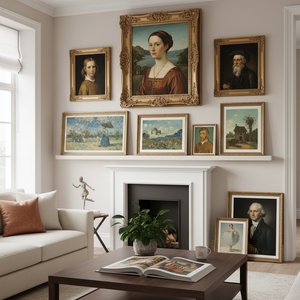
Oplev de 25 mest ikoniske kunstværker fra National Gallery of Art, Washington! Fra Cézannes revolutionerende stil til Matisses farverige mesterværker. Find inspiration og køb museumskvalitets reproduktioner på BuyPopArt.com.
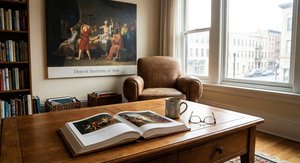
Oplev Detroit Institute of Arts' 25 mest ikoniske kunstværker – fra Van Gogh til Monet. Lær historierne bag mesterværkerne og find inspiration til din boligindretning med BuyPopArt.coms eksklusive reproduktioner. Udforsk samlingen online!
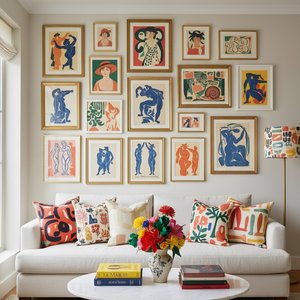
Oplev Henri Matisse' 25 mest ikoniske kunstværker – fra Fauvisme til Paper Cutouts. Lær historien bag farvernes mester og find inspiration til din boligindretning med museumskvalitets reproduktioner på BuyPopArt.com.


Hold dig opdateret med de seneste kunstnyheder, eksklusive tilbud og indretningsideer.
Fortæl os om dit projekt, og vores kunsteksperter vil give dig 3 personlige kunstforslag.
Vi kuraterer 3 valgmuligheder kun til dig – Gratis!


 Se i fuld skala
 Del
Del Del
Del
 Detaljer

 Download
 Lignende værker
 Røntgenundersøgelse
 Diasshow


 Se mere







 Glasmulighed er kun tilgængelig i størrelser under 110 cm


