

Giclée- eller lærredstryk i museumskvalitet med hurtig produktion og fleksible muligheder for finish. ( Køb håndlavet maleri Køb billede)





























Vælg mellem vores forudindstillede størrelser, der matcher kunstværkets originale proportioner.

Du kan indtaste dine egne mål for at passe til en specifik ramme eller et bestemt område. Hvis den valgte størrelse ikke stemmer overens med det originale billedes proportioner, vil vi enten beskære kunstværket eller udvide billedet med en spejlet eller ensfarvet kant. En digital mockup vil blive sendt til din godkendelse, før produktionen påbegyndes.
Bemærk venligst, at forhåndsvisningen på skærmen ikke afspejler den faktiske beskæring eller udvidelse. Kun mockuppen vil nøjagtigt vise den endelige komposition.
Selvom specialmål er tilgængelige, anbefaler vi at vælge et mål fra den foruddefinerede liste for at bevare de originale proportioner.
Verdensomspændende levering () på 2 uger i stedet for de sædvanlige 4/5 uger. (18 august)


Bulb Fields
Størrelse på reproduktion
In the quiet landscapes of the Netherlands, where the earth breathes with the arrival of spring, Vincent van Gogh captured a moment of pure, unadulterated vitality in his masterpiece, Bulb Fields. Painted in early 1883 during his time in Nieuwveen, this work serves as a breathtaking window into the artist's burgeoning mastery of color and form. At first glance, the viewer is swept into a panoramic vista of rectangular plots, each overflowing with the brilliant hues of hyacinths—deep blues, fiery reds, sunny yellows, and delicate pinks. It is not merely a depiction of flora; it is a rhythmic dance of light and pigment that transforms a simple Dutch garden into an emotional landscape.
The composition itself reveals Van Gogh’s profound fascination with structure and perspective. By employing a low vantage point, he invites the observer to kneel beside the flowerbeds, placing us at eye level with the blooming life of the earth. This deliberate choice creates a sense of immersion, making the viewer feel as though they are part of the scenery rather than mere spectators. The regular, geometric arrangement of the plots provides a grounding stability, yet this order is beautifully contrasted by the organic, textured energy of the flowers and the soft, drifting clouds that crown the sky above. It is a delicate balance between the man-made precision of agriculture and the wild, untamed beauty of nature.
For collectors and enthusiasts of fine art, the true magic of Bulb Fields lies in its tactile brilliance. Even in a reproduction, the essence of Van Gogh’s impasto technique must be felt. He applied paint with a vigorous, expressive hand, building up layers that catch the light and create a physical topography on the canvas. This method allows the colors to vibrate against one another; the thick strokes of yellow seem to radiate warmth, while the deep blues provide a cool, receding depth. This experimentation with color theory was heavily influenced by his encounter with Impressionism and the bold, flattened aesthetics of Japanese Ukiyo-e prints, which taught him that color could communicate emotion far more effectively than strict realism.
Beyond its visual splendor, the painting carries a profound emotional resonance. While the subject matter celebrates the joy of rebirth and the abundance of spring, there is often an underlying layer of melancholy—a hallmark of Van Gogh’s psychological depth. The way the vibrant blossoms stand against the more muted, leafless trees and thatched cottages in the distance suggests a fleeting beauty, a precious moment of brilliance captured before the inevitable passage of time. This duality makes the piece incredibly versatile for interior design; it can serve as a bright, energizing focal point in a sunlit room or a contemplative, soulful addition to a more subdued, sophisticated gallery space.
Owning a high-quality reproduction of Bulb Fields is an opportunity to bring a piece of art history into the contemporary home. For interior designers, this work offers a masterclass in using color palettes to define a room's atmosphere. The painting’s ability to harmonize bold primary colors with soft pastels makes it a timeless choice for those seeking to inspire awe and tranquility simultaneously. It is more than a decoration; it is an invitation to experience the world through the eyes of a visionary who saw extraordinary magic in the most humble corners of the earth.
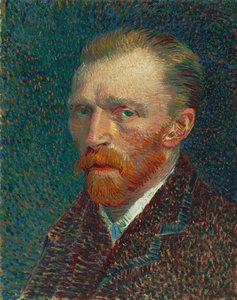
1853 - 1890 , Holland

Explore the profound evolution of art from Impressionism to Post-Impressionism. Discover how masters like Van Gogh revolutionized color and emotion, shaping modern art history through structural innovation and expressive technique.

Explore the visceral power of Van Gogh's impasto technique. Discover how his thick, sculptural brushstrokes transform emotion into texture, creating a tactile legacy that continues to inspire modern collectors and fine art enthusiasts worldwide.


Hold dig opdateret med de seneste kunstnyheder, eksklusive tilbud og indretningsideer.
Fortæl os om dit projekt, og vores kunsteksperter vil give dig 3 personlige kunstforslag.
Vi kuraterer 3 valgmuligheder kun til dig – Gratis!


 Se i fuld skala
 Del
Del Del
Del
 Detaljer

 Download
 Lignende værker
 Røntgenundersøgelse
 Diasshow

 Se mere







 Glasmulighed er kun tilgængelig i størrelser under 110 cm






![Irisser [1889]](/media/artworks/images/thumbnails/17/b6/17b64e9e1ede40baae0afe5972aa8de0.jpg)

