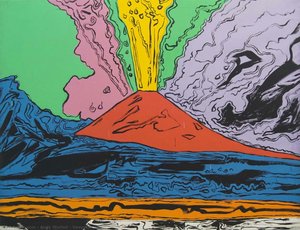
Giclée- oder Leinwanddruck in Museumsqualität mit schneller Produktion und flexiblen Veredelungsoptionen. ( Zur handgemalten Reproduktion wechseln Zum Bild wechseln)





























Wählen Sie aus unseren vordefinierten Formaten, die den ursprünglichen Proportionen des Kunstwerks entsprechen.

Sie können Ihre eigenen Maße eingeben, um ein bestimmtes Format oder einen speziellen Platz einzupassen. Wenn das von Ihnen gewählte Format nicht den Proportionen des Originalbildes entspricht, werden wir das Kunstwerk entweder beschneiden oder das Bild mit einem gespiegelten oder einfarbigen Rand erweitern. Ein digitaler Entwurf wird Ihnen zur Genehmigung zugesandt, bevor die Produktion beginnt.
Bitte beachten Sie, dass die Vorschau auf dem Bildschirm nicht den tatsächlichen Zuschnitt oder die Erweiterung widerspiegelt. Nur der Entwurf zeigt die endgültige Komposition präzise an.
Obwohl Sondermaße verfügbar sind, empfehlen wir die Auswahl eines Maßes aus der vordefinierten Liste, um die ursprünglichen Proportionen zu bewahren.
Weltweiter Versand () innerhalb von 2 Wochen statt der üblichen 4/5 Wochen. (10 August)


Ali
Format der Reproduktion
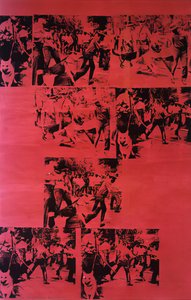
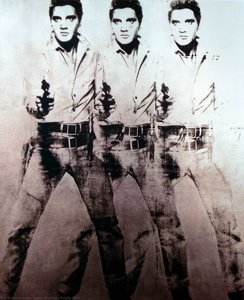
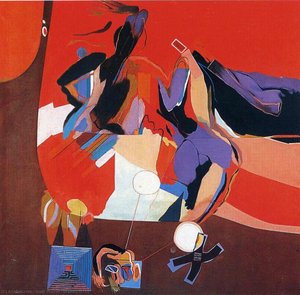
Andy Warhol’s “Ali,” painted in 1964, stands as a quintessential emblem of Pop Art—a movement that irrevocably shattered the conventions of fine art and ushered in an era defined by its engagement with popular culture. More than just a depiction of a boxer's arm clutching a red glove, it embodies Warhol’s revolutionary approach to artistic representation: stripping away illusionistic depth and embracing vibrant hues as primary vehicles for conveying emotion and meaning.
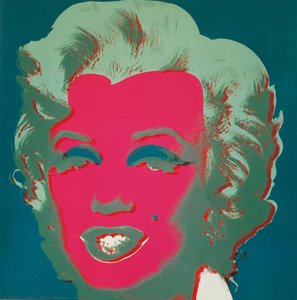
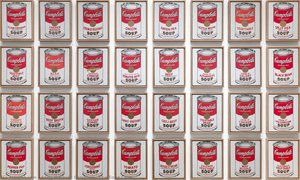
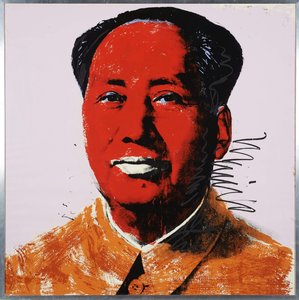
Warhol’s technique—silkscreen printing—was deliberately chosen to mimic the repetitive processes of mass production. Utilizing photographic images sourced from magazines, he meticulously transferred them onto canvases coated with emulsion paint. Then, through a series of screens imprinted with halftone dots – tiny circles that create a mottled effect – Warhol applied layers of pigment in bold blocks of color. This method wasn’t merely efficient; it was conceptually significant—demonstrating Warhol's belief that art could derive its power from mirroring the visual language of advertising and everyday life.
The painting’s historical context is inextricably linked to the burgeoning optimism of the mid-1960s, a period marked by social upheaval yet simultaneously fueled by unprecedented economic prosperity. Warhol positioned himself at the forefront of this cultural transformation, capturing the zeitgeist—the spirit of the age—with unflinching precision. “Ali” reflects the fascination with celebrity and spectacle that characterized the era, elevating the seemingly mundane image of a boxer’s hand to monumental proportions.
Symbolically, the red glove serves as a potent emblem of aggression and protection – mirroring the physical confrontation inherent in boxing but also representing Warhol's desire to safeguard his artistic vision amidst criticism from established art critics. The stark blue background amplifies the impact of the crimson hue, creating a dynamic interplay between color that underscores the painting’s emotional intensity.
Ultimately, “Ali” transcends its literal subject matter to resonate with viewers on a profound level. Warhol's masterful manipulation of color and texture compels us to confront questions about perception, representation, and the relationship between art and commerce. It remains an enduring testament to Pop Art’s audacious challenge to artistic dogma—a celebration of boldness, vibrancy, and the transformative potential of embracing the visual culture of our time.

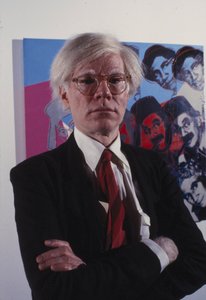
1928 - 1987 , Vereinigte Staaten von Amerika
Entdecken Sie, wie Sie Popkultur-Kunst stilvoll in Ihr Zuhause integrieren! Expertenratgeber für Gaming-, Anime- und Comic-Ästhetik. Hochwertige Reproduktionen & Custom Art für anspruchsvolle Interieurs.
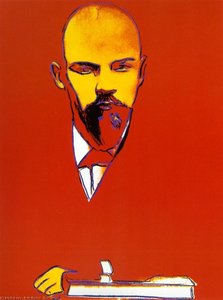
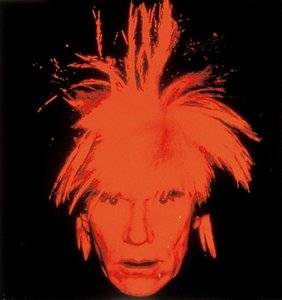
Entdecken Sie Andy Warhols revolutionäre Pop Art! Analysen ikonischer Werke, Einblicke in seine künstlerischen Techniken und die Bedeutung für die moderne Kunst. Expertenwissen für Sammler & Kenner.
Explore the fascinating relationship between color & emotion in art history. Discover how master artists like Matisse & Gauguin used vibrant hues to evoke feelings and cultural meanings. A deep dive for classic art enthusiasts.
Entdecken Sie die 25 Meisterwerke von Henri Matisse! Tauchen Sie ein in die Welt des Fauvismus, der leuchtenden Farben und ikonischen Formen. Kunstreproduktionen & Inspiration für Ihr Zuhause – exklusiv auf BuyPopArt.com.
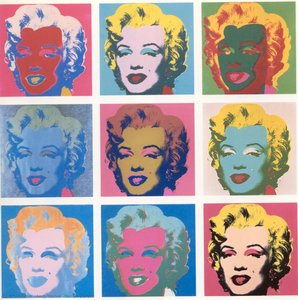
Entdecken Sie die 10 Meisterwerke der Pop Art! Von Warhol bis Lichtenstein – erfahren Sie die Geschichten hinter ikonischen Gemälden, Techniken & Farben. Museumsgalerie-Qualität bei entdecken.


Bleiben Sie über die neuesten Kunstnachrichten, exklusive Angebote und Dekorationsideen auf dem Laufenden.
Erzählen Sie uns von Ihrem Projekt, und unsere Kunstexperten erstellen für Sie drei personalisierte Kunstvorschläge.
Wir kuratieren 3 Optionen exklusiv für Sie – kostenlos!


 Vorschau anzeigen
 Versenden
 Teilen
 Details anzeigen

 Herunterladen
 Ähnliche Objekte
 Röntgenaufnahme
 Diashow
 Weiterlesen







 Die Glasoption ist nur für Größen unter 110 cm verfügbar.