Handgemaltes Ölgemälde auf Leinwand in Ihrer Wunschgröße und mit Rahmen, auf Bestellung von unseren Künstlern angefertigt. ( Zum Druck wechseln Zum Bild wechseln)





























Wählen Sie aus unseren vordefinierten Formaten, die den ursprünglichen Proportionen des Kunstwerks entsprechen.

Sie können Ihre eigenen Maße eingeben, um einen bestimmten Rahmen oder Platz auszufüllen. Wenn die gewählte Größe nicht den Proportionen des Originalbildes entspricht, werden wir das Kunstwerk entweder beschneiden oder das Gemälde durch zusätzliche, handgemalte Elemente erweitern. Ein digitales Mockup wird Ihnen zur Genehmigung zugesandt, bevor die Produktion beginnt.
Bitte beachten Sie, dass die Bildschirmvorschau nicht die tatsächliche Beschneidung oder Erweiterung widerspiegelt. Nur das Mockup zeigt die endgültige Komposition exakt an.
Obwohl Sondermaße verfügbar sind, empfehlen wir, eine Größe aus der vordefinierten Liste zu wählen, um die ursprünglichen Proportionen beizubehalten.
Weltweiter Versand () in nur 3 bis 4 Wochen statt der üblichen 5 Wochen. (10 August). Keine Kompromisse bei der Qualität.


Coca cola
Format der Reproduktion
Andy Warhol's "Coca Cola," created in 1964 as part of his iconic silkscreen series, transcends mere commercial illustration; it stands as a cornerstone of Pop Art and a testament to Warhol’s revolutionary approach to artistic expression. This seemingly simple depiction—four Coca Cola bottles arranged horizontally against a stark white background—represents far more than just branding; it embodies the anxieties and aspirations of American culture during the mid-1960s.
Warhol’s technique was groundbreaking for its time. Rather than painstakingly layering paint onto canvas, he utilized silkscreen printing—a method borrowed from commercial printing—to achieve a uniform color distribution across each bottle. This process involved transferring photographic images onto acetate plates and then forcing ink through screens with finely woven mesh, resulting in multiple identical prints simultaneously. The deliberate repetition of the image was not merely efficient; it served as a powerful commentary on mass production and consumer culture.
The year 1964 witnessed an unprecedented surge in American consumerism, fueled by economic prosperity and shifting social values. Warhol’s Coca Cola series arrived at precisely the right moment to capture this zeitgeist—reflecting the pervasive influence of advertising and the homogenization of tastes. Simultaneously, it responded to the burgeoning interest in repetition and serial imagery, mirroring developments in music (particularly Beatlemania) and visual art.
While undeniably a product endorsement, "Coca Cola" operates on multiple symbolic levels. The bottles themselves represent accessibility—the ubiquitous presence of Coca Cola in American life—but also serve as canvases for Warhol’s exploration of repetition and the blurring of boundaries between art and commerce. The stark white background emphasizes the simplicity of the image, stripping away any extraneous detail to focus solely on the bottle's form and color.
Despite its minimalist aesthetic, Warhol’s Coca Cola possesses a surprising emotional depth. The cool, detached perspective conveys a sense of calm amidst the turbulent social landscape of the era—a deliberate contrast to the passionate debates surrounding civil rights and Vietnam War protests. Ultimately, “Coca Cola” invites contemplation on themes of repetition, authenticity, and the role of art in reflecting and shaping our perceptions of reality.
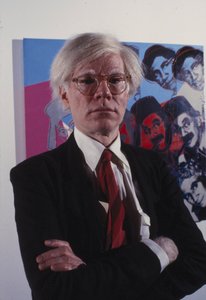
1928 - 1987 , Vereinigte Staaten von Amerika
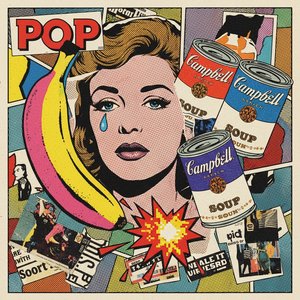
Explore the fascinating history of Pop Art, from its rebellious origins to its enduring influence on contemporary artists. Discover key figures like Warhol & Lichtenstein and learn about collecting this iconic movement.
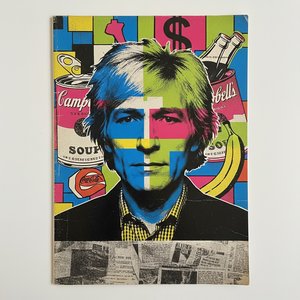
Entdecken Sie Andy Warhols revolutionäre Pop Art! Analysen ikonischer Werke, Einblicke in seine künstlerischen Techniken und die Bedeutung für die moderne Kunst. Expertenwissen für Sammler & Kenner.

Individuelle Pop Art Gemälde vom Profi! Finden Sie den perfekten Künstler & lassen Sie Ihr Lieblingsmotiv als einzigartiges Kunstwerk erstellen. Jetzt Angebot anfordern!
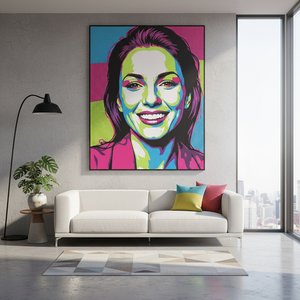
Handgemalte Pop Art Gemälde von BuyPopArt – erschaffen Sie Ihr persönliches Meisterwerk! Individuelle Kunstwerke im Warhol-Stil, höchste Qualität & 100% Zufriedenheitsgarantie. Jetzt gestalten!
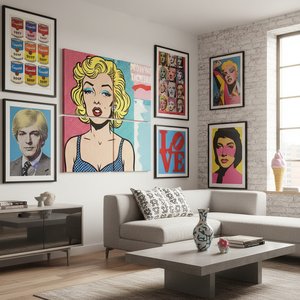
Entdecken Sie die 10 Meisterwerke der Pop Art! Von Warhol bis Lichtenstein – erfahren Sie die Geschichten hinter ikonischen Gemälden, Techniken & Farben. Museumsgalerie-Qualität bei entdecken.


Bleiben Sie über die neuesten Kunstnachrichten, exklusive Angebote und Dekorationsideen auf dem Laufenden.
Erzählen Sie uns von Ihrem Projekt, und unsere Kunstexperten erstellen für Sie drei personalisierte Kunstvorschläge.
Wir kuratieren 3 Optionen exklusiv für Sie – kostenlos!


 Vorschau anzeigen
 Versenden
 Teilen
 Details anzeigen

 Herunterladen
 Ähnliche Objekte
 Röntgenaufnahme
 Diashow
 Weiterlesen







 Die Glasoption ist nur für Größen unter 110 cm verfügbar.