Handgemaltes Ölgemälde auf Leinwand in Ihrer Wunschgröße und mit Rahmen, auf Bestellung von unseren Künstlern angefertigt. ( Druck bestellen Bild kaufen)





























Wählen Sie aus unseren vordefinierten Formaten, die den ursprünglichen Proportionen des Kunstwerks entsprechen.

Sie können Ihre eigenen Maße eingeben, um einen bestimmten Rahmen oder Platz auszufüllen. Wenn die gewählte Größe nicht den Proportionen des Originalbildes entspricht, werden wir das Kunstwerk entweder beschneiden oder das Gemälde durch zusätzliche, handgemalte Elemente erweitern. Ein digitales Mockup wird Ihnen zur Genehmigung zugesandt, bevor die Produktion beginnt.
Bitte beachten Sie, dass die Bildschirmvorschau nicht die tatsächliche Beschneidung oder Erweiterung widerspiegelt. Nur das Mockup zeigt die endgültige Komposition exakt an.
Obwohl Sondermaße verfügbar sind, empfehlen wir, eine Größe aus der vordefinierten Liste zu wählen, um die ursprünglichen Proportionen beizubehalten.
Weltweiter Versand () in nur 3 bis 4 Wochen statt der üblichen 5 Wochen. (16 August). Keine Kompromisse bei der Qualität.


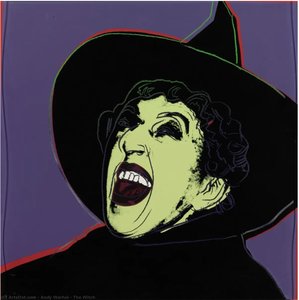
Die Zauberin
Format der Reproduktion
Andy Warhol's 1981 screenprint, “The Witch,” is far more than a simple depiction of a fairytale villain; it’s a vibrant collision of pop culture iconography and the artist’s signature exploration of fame, representation, and the very nature of myth. Emerging from his *Myths* series, this work doesn't merely illustrate the Wicked Witch of the West—it dissects her, re-presenting her through the cool, detached lens of Warhol’s pop aesthetic. The image is instantly recognizable, a bold, graphic rendering that draws directly on our collective memory of Margaret Hamilton’s unforgettable performance in *The Wizard of Oz*. But to see it filtered through Warhol’s silkscreen process is to experience the character anew—stripped of narrative context and elevated to the status of a modern icon.
Warhol’s choice of screenprinting as his medium is crucial to understanding “The Witch.” The technique, with its flat planes of color and slightly imperfect registration, lends itself perfectly to the artist's fascination with mass production. It echoes the very mechanisms that create and disseminate celebrity—the endless reproduction of images until they become ingrained in our consciousness. The limited palette – a striking contrast between vibrant green, deep purple, and stark black – amplifies the image’s impact. The witch’s skin is an almost unnatural shade of green, immediately signaling her otherness, while the bold outlines and geometric shapes contribute to the work’s graphic quality. Notice how Warhol doesn’t attempt naturalism; instead, he distills the character down to its essential elements: the pointed hat, the exaggerated expression, the menacing glare. The addition of diamond dust further elevates the print, imbuing it with a subtle shimmer that hints at both glamour and artifice.
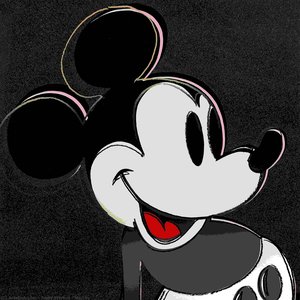
The *Myths* series as a whole reveals Warhol’s interest in archetypes—figures who embody universal themes and anxieties. By selecting characters like Superman, Mickey Mouse, and Dracula alongside the Wicked Witch, he places her within a pantheon of cultural icons. But why this particular witch? Perhaps it's her enduring power as a symbol of female villainy, or maybe Warhol was drawn to the theatricality of Hamilton’s performance. The exaggerated expression—the wide-open mouth frozen in a maniacal laugh—suggests not just malice but also a performative quality, a sense that the witch is *playing* at being wicked. Warhol's work often blurred the lines between reality and representation, and “The Witch,” exemplifies this perfectly. He doesn’t simply show us a witch; he shows us an image of a witch, filtered through layers of media and cultural expectation.
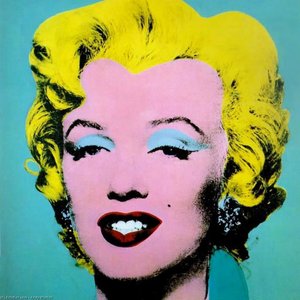
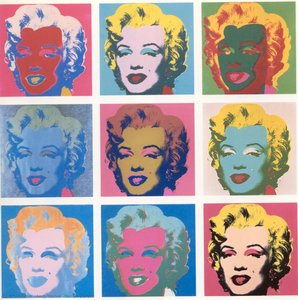
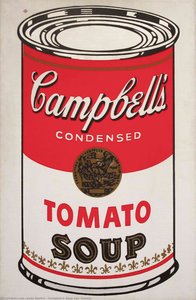
Andy Warhol fundamentally altered the landscape of 20th-century art. Born in Pittsburgh in 1928 to Slovakian immigrant parents, his early life was marked by illness and a burgeoning interest in drawing. After establishing himself as a successful commercial illustrator in New York, he turned his attention to fine art, embracing the imagery of consumer culture with unparalleled boldness. His silkscreen prints of Campbell’s Soup cans and Marilyn Monroe became instant classics, challenging traditional notions of artistic subject matter and technique. “The Witch,” created towards the end of his life (he passed away in 1987), stands as a testament to his enduring vision—a playful yet profound exploration of image, myth, and the power of pop culture. Owning a reproduction of this iconic work isn’t just acquiring a beautiful piece of art; it’s possessing a fragment of cultural history, a vibrant reminder of Warhol’s revolutionary impact on the world.

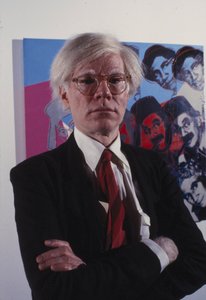
1928 - 1987 , Vereinigte Staaten von Amerika

Discover how the Pop Art revolution and street art vibes are redefining modern interiors. Explore trend forecasts on bold colors, iconic imagery, and high-impact graphic styles to transform your space with unapologetic, culturally-driven aesthetic energy.

Master the art of digital collage. Discover how to remix pop culture icons, glitch aesthetics, and vibrant textures into high-impact Pop Art for modern urban spaces. Elevate your collection with bold, trend-setting visual strategies from the experts in contemporary graphic art.

Level up your space with the ultimate guide to nostalgic Pop & Street Art. Discover how to use bold colors, iconic graphics, and urban aesthetics to create a high-impact, trend-driven interior that celebrates pop culture history.

Master the art of high-impact living with our expert trend forecast. Discover how to transform your space using bold Pop Art, urban street style, and vibrant graphic textures to create a visually stunning, culturally-charged interior that commands attention.


Bleiben Sie über die neuesten Kunstnachrichten, exklusive Angebote und Dekorationsideen auf dem Laufenden.
Erzählen Sie uns von Ihrem Projekt, und unsere Kunstexperten erstellen für Sie drei personalisierte Kunstvorschläge.
Wir kuratieren 3 Optionen exklusiv für Sie – kostenlos!


 Vorschau anzeigen
 Versenden
 Teilen
 Details anzeigen

 Herunterladen
 Ähnliche Objekte
 Röntgenaufnahme
 Diashow

 Weiterlesen







 Die Glasoption ist nur für Größen unter 110 cm verfügbar.