Giclée- oder Leinwanddruck in Museumsqualität mit schneller Produktion und flexiblen Veredelungsoptionen. ( Handgemaltes Gemälde kaufen Bild kaufen)





























Wählen Sie aus unseren vordefinierten Formaten, die den ursprünglichen Proportionen des Kunstwerks entsprechen.

Sie können Ihre eigenen Maße eingeben, um ein bestimmtes Format oder einen speziellen Platz einzupassen. Wenn das von Ihnen gewählte Format nicht den Proportionen des Originalbildes entspricht, werden wir das Kunstwerk entweder beschneiden oder das Bild mit einem gespiegelten oder einfarbigen Rand erweitern. Ein digitaler Entwurf wird Ihnen zur Genehmigung zugesandt, bevor die Produktion beginnt.
Bitte beachten Sie, dass die Vorschau auf dem Bildschirm nicht den tatsächlichen Zuschnitt oder die Erweiterung widerspiegelt. Nur der Entwurf zeigt die endgültige Komposition präzise an.
Obwohl Sondermaße verfügbar sind, empfehlen wir die Auswahl eines Maßes aus der vordefinierten Liste, um die ursprünglichen Proportionen zu bewahren.
Weltweiter Versand () innerhalb von 2 Wochen statt der üblichen 4/5 Wochen. (12 August)


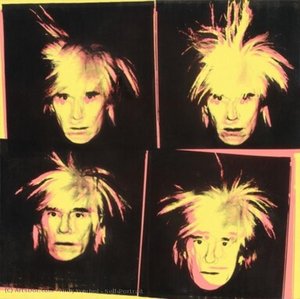
Selbstporträt
Format der Reproduktion
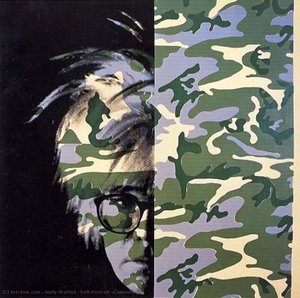
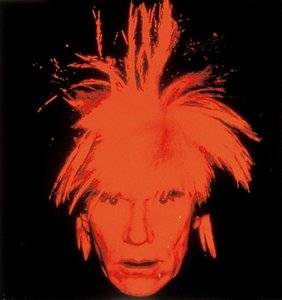
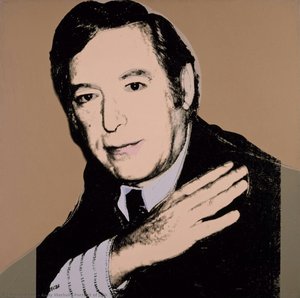
Andy Warhol, a name synonymous with Pop Art, relentlessly interrogated the boundaries between high and low culture, celebrity and anonymity. His 1986 *Self-Portrait*, far from being a conventional study of likeness, is a haunting meditation on image, identity, and mortality – created in the year before his untimely death. The photograph captures Warhol at a pivotal moment, seemingly caught mid-thought, with an expression that’s both playful and unsettling. His famously spiky hair, a signature element of his public persona, dominates the frame, adding to the sense of controlled chaos. This isn't simply a depiction of how Warhol *looked*; it’s a carefully constructed presentation of how he wished to be seen – or perhaps, how he feared being perceived.
Born Andrew Warhola Jr. in Pittsburgh in 1928, Warhol's artistic journey began not within the hallowed halls of fine art academies but amidst the bustling world of commercial illustration. This early exposure to mass production techniques – silkscreening, repetition, and the power of visual communication – profoundly shaped his aesthetic. The *Self-Portrait* reflects this influence; it feels almost mechanically reproduced, a ghostly echo of countless images churned out by the media machine he so keenly observed. However, beneath the surface of cool detachment lies a palpable sense of vulnerability. The stark black and white palette amplifies the emotional weight of the image, stripping away any pretense and revealing a man grappling with his own mortality. The slightly open mouth suggests a stifled expression, as if words remain unspoken, anxieties unaddressed.
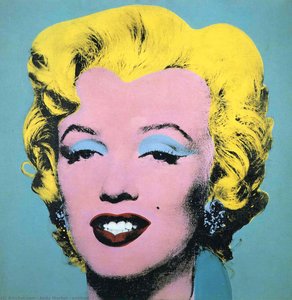
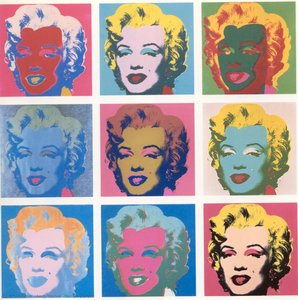
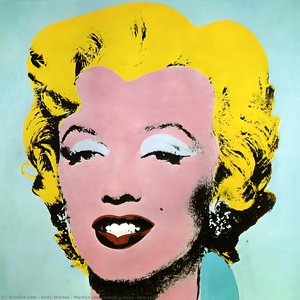
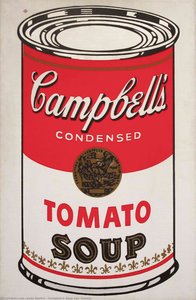
By 1986, Warhol was already an icon, having achieved unparalleled fame through his depictions of Marilyn Monroe, Campbell’s Soup cans, and other emblems of American consumer culture. Yet, this very fame came at a cost. The assassination attempt in 1968 left him deeply shaken, prompting a shift towards more introspective themes. The *Self-Portrait* can be seen as part of this late-career exploration of selfhood. It’s a deliberate dismantling of the carefully constructed persona he had cultivated over decades. He presents himself not as a glamorous celebrity but as a fragile human being, confronting his own image with a mixture of curiosity and apprehension. The photograph is a poignant reminder that even the most celebrated figures are ultimately subject to the same existential anxieties as everyone else.
Warhol's impact on art and culture remains immeasurable. He challenged traditional notions of authorship, originality, and artistic value, paving the way for new generations of artists to explore the intersection of art, commerce, and celebrity culture that flourished by the 1960s. The *Self-Portrait* encapsulates this spirit of reinvention. It's a work that continues to resonate with viewers today because it speaks to our own anxieties about identity, image, and the fleeting nature of fame in an increasingly mediated world. Owning a reproduction of this iconic piece isn’t merely acquiring a beautiful artwork; it’s inviting a conversation – a contemplation on the complexities of modern life and the enduring power of self-representation.
Warhol’s masterful use of silkscreen printing—a technique he honed during his formative years in commercial illustration—is central to understanding the *Self-Portrait*. This method allowed him to achieve remarkable precision and consistency, replicating images countless times with minimal variation. The stark black and white palette wasn't merely stylistic; it served a crucial purpose: to heighten the emotional intensity of the photograph and to emphasize Warhol’s psychological state. By eliminating color, he focused attention on texture and form, mirroring the repetitive process of printing itself.
The composition of the *Self-Portrait* is laden with symbolic significance. Warhol's head floats in a void—a visual representation of isolation and contemplation—while his hair, styled in a defiant spike pattern, embodies rebellion against societal norms. The open mouth conveys vulnerability and unspoken emotion, hinting at anxieties about mortality and confronting one’s own image. These elements collectively contribute to the artwork’s haunting atmosphere and invite viewers to ponder questions of identity and representation.
Andy Warhol’s *Self-Portrait* remains a powerful testament to his artistic vision—a bold declaration that art could be both intellectually stimulating and emotionally resonant. It foreshadowed the anxieties of our contemporary world, where image dominates reality and authenticity is constantly questioned. Its enduring appeal lies in its ability to provoke contemplation about what it means to be human in an age of mass media and celebrity culture.
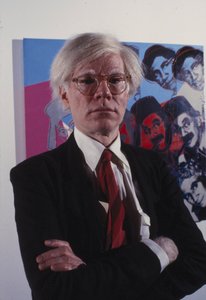
1928 - 1987 , Vereinigte Staaten von Amerika

Ditch the clichés. Celebrate a legendary retirement with bold Pop Art masterpieces. From Warhol-inspired oils to custom street art commissions, discover high-impact, hand-painted works designed to make a statement. Elevate their next chapter with unmistakable style and color.

Discover how the Pop Art revolution and street art vibes are redefining modern interiors. Explore trend forecasts on bold colors, iconic imagery, and high-impact graphic styles to transform your space with unapologetic, culturally-driven aesthetic energy.

Explore the high-octane fusion of classical icons and modern street art. Discover how bold pop aesthetics and urban textures are redefining contemporary interiors through our expert trend forecast for collectors and design enthusiasts.

Discover the electric energy of Pop Art featuring young girls. Explore a visual journey through bold, iconic street art styles, from neo-pop aesthetics to high-impact dopamine decor designed to transform your space with vibrant, contemporary culture.

Master the art of digital collage. Discover how to remix pop culture icons, glitch aesthetics, and vibrant textures into high-impact Pop Art for modern urban spaces. Elevate your collection with bold, trend-setting visual strategies from the experts in contemporary graphic art.


Bleiben Sie über die neuesten Kunstnachrichten, exklusive Angebote und Dekorationsideen auf dem Laufenden.
Erzählen Sie uns von Ihrem Projekt, und unsere Kunstexperten erstellen für Sie drei personalisierte Kunstvorschläge.
Wir kuratieren 3 Optionen exklusiv für Sie – kostenlos!


 Vorschau anzeigen
 Versenden
 Teilen
 Details anzeigen

 Herunterladen
 Ähnliche Objekte
 Röntgenaufnahme
 Diashow

 Weiterlesen







 Die Glasoption ist nur für Größen unter 110 cm verfügbar.