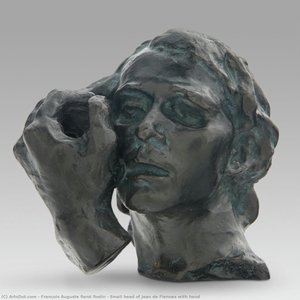
BronzeSkulpturRomantischer Realismus
 59.0 x 36.0 cm
 Legion der Ehren
Giclée- oder Leinwanddruck in Museumsqualität mit schneller Produktion und flexiblen Veredelungsoptionen. ( Zur handgemalten Reproduktion wechseln Zum Bild wechseln)
Wählen Sie aus unseren vordefinierten Formaten, die den ursprünglichen Proportionen des Kunstwerks entsprechen.

Sie können Ihre eigenen Maße eingeben, um ein bestimmtes Format oder einen speziellen Platz einzupassen. Wenn das von Ihnen gewählte Format nicht den Proportionen des Originalbildes entspricht, werden wir das Kunstwerk entweder beschneiden oder das Bild mit einem gespiegelten oder einfarbigen Rand erweitern. Ein digitaler Entwurf wird Ihnen zur Genehmigung zugesandt, bevor die Produktion beginnt.
Bitte beachten Sie, dass die Vorschau auf dem Bildschirm nicht den tatsächlichen Zuschnitt oder die Erweiterung widerspiegelt. Nur der Entwurf zeigt die endgültige Komposition präzise an.
Obwohl Sondermaße verfügbar sind, empfehlen wir die Auswahl eines Maßes aus der vordefinierten Liste, um die ursprünglichen Proportionen zu bewahren.
Weltweiter Versand () innerhalb von 2 Wochen statt der üblichen 4/5 Wochen. (5 August)


Der Kuss
Format der Reproduktion
Auguste Rodin's "The Kiss," sculpted between 1889 and 1890, isn’t merely a depiction of lovers entwined; it’s an embodiment of raw emotion, a testament to the primal power of connection. Initially conceived as part of the monumental “Gates of Hell” doors for the Musée des Beaux-Arts in Paris – a project that ultimately consumed Rodin's artistic life – this intimate scene quickly transcended its original context and became one of the most recognizable and beloved works in the history of sculpture. It’s a piece that speaks to the universal human desire for intimacy, longing, and the exquisite vulnerability inherent in love itself.
The sculpture captures Paolo and Francesca, figures from Dante Alighieri's *Inferno*, condemned to an eternal embrace within Hell. Rodin deliberately chose this narrative – a tale of illicit passion and tragic consequence – to represent on the lower left door panel of the Gates of Hell. However, recognizing the profound beauty and emotional resonance of the pair, he ultimately separated them from their infernal setting, transforming it into a standalone masterpiece. The figures are rendered in a remarkably fluid style, almost melting together in an embrace that defies rigid form. Rodin’s masterful use of marble allows for incredible detail – the delicate curve of a neck, the subtle tension in a muscle, the palpable heat radiating from their bodies – yet maintains a sense of ethereal softness and movement.
Rodin's approach to sculpture was radically different from the prevailing academic styles of his time. He eschewed the polished, idealized forms favored by traditional sculptors, instead prioritizing the exploration of surface texture and emotional expression. He worked directly in clay, building up layers upon layers of modeling paste, creating a deeply textured surface that captured every nuance of form and feeling. This technique, known as *clou de voile*, involved applying a thin layer of cloth to the wet clay, then scraping it away to reveal the underlying texture – a process he repeated countless times until achieving the desired effect. This painstaking method resulted in a surface that is both incredibly rich and intensely dynamic, inviting viewers to trace the contours of the figures with their eyes.
Crucially, Rodin wasn’t interested in simply replicating physical likeness; he sought to convey the *experience* of being in love – the intensity of desire, the vulnerability of trust, the overwhelming sensation of connection. The way Paolo and Francesca are intertwined—their bodies almost merging into a single form—is a powerful visual metaphor for this profound unity. The slight tilt of their heads, the gentle curve of their limbs, all contribute to an atmosphere of intense intimacy and unspoken longing.
While rooted in Dante’s tragic tale, “The Kiss” transcends its specific narrative to become a universal symbol of romantic love. The figures are depicted in a state of blissful oblivion, seemingly unaware of their fate or the world around them. This detachment suggests that true love can transport us beyond earthly concerns, creating a realm of pure sensation and connection. The fact that they’re nude further emphasizes this vulnerability – stripped bare not just physically but emotionally, revealing their deepest desires and fears.
Interestingly, Rodin himself offered little explanation for the sculpture's meaning, stating simply that he wanted to capture “the moment of a kiss.” This ambiguity allows viewers to project their own interpretations onto the work, making it deeply personal and resonant. The sculpture’s enduring popularity is a testament to its ability to evoke powerful emotions and spark contemplation about the nature of love and desire.
Reproductions of “The Kiss” are available in a wide range of sizes and materials, offering an accessible way to bring this iconic artwork into your home or office. When selecting a reproduction, consider the level of detail and texture achieved – a high-quality print on canvas or a meticulously crafted bronze casting will best capture the essence of Rodin’s original masterpiece. The sculpture's placement within a space is also important; its dramatic scale and emotional intensity demand a setting that allows it to command attention and evoke a sense of intimacy.
Whether displayed in a grand salon or a cozy bedroom, “The Kiss” continues to captivate viewers with its timeless beauty and profound message. It’s a reminder of the enduring power of love – a force capable of both exquisite joy and heartbreaking sorrow, yet always profoundly transformative.

1840 - 1917 , Frankreich

Discover the enduring elegance of bronze sculpture. Our expert guide explores lost-wax casting, the artistry of patina, and professional advice for collectors looking to acquire or commission museum-quality metal masterpieces that define a legacy.

Discover the enduring elegance of bronze sculpture. Our expert guide explores lost-wax casting, patina artistry, and professional curation tips for collectors seeking to acquire timeless metal masterpieces.


Bleiben Sie über die neuesten Kunstnachrichten, exklusive Angebote und Dekorationsideen auf dem Laufenden.
Erzählen Sie uns von Ihrem Projekt, und unsere Kunstexperten erstellen für Sie drei personalisierte Kunstvorschläge.
Wir kuratieren 3 Optionen exklusiv für Sie – kostenlos!


 Versenden
 Teilen
 Details anzeigen

 Herunterladen
 Ähnliche Objekte
 Diashow starten
 Mehr anzeigen




































 Die Glasoption ist nur in Größen unter 110 cm verfügbar.