x


 Druck bestellen Bild kaufen
 Versenden
 Details anzeigen
 Zu Favoriten hinzufügen
 Herunterladen
 Ähnliche Objekte
 Röntgenaufnahme
 Diashow anzeigen
Handgemaltes Ölgemälde auf Leinwand in Ihrer Wunschgröße und mit Rahmen, auf Bestellung von unseren Künstlern angefertigt.
Wählen Sie aus unseren vordefinierten Größen, die den ursprünglichen Proportionen des Kunstwerks entsprechen.

Sie können Ihre eigenen Maße eingeben, um einen bestimmten Rahmen oder Platz auszufüllen. Wenn die gewählte Größe nicht den Proportionen des Originalbildes entspricht, werden wir das Kunstwerk entweder beschneiden oder das Gemälde durch zusätzliche, handgemalte Elemente erweitern. Ein digitales Mockup wird Ihnen zur Genehmigung zugesandt, bevor die Produktion beginnt.
Bitte beachten Sie, dass die Bildschirmvorschau nicht die tatsächliche Beschneidung oder Erweiterung widerspiegelt. Nur das Mockup zeigt die endgültige Komposition exakt an.
Obwohl Sondermaße verfügbar sind, empfehlen wir, eine Größe aus der vordefinierten Liste zu wählen, um die ursprünglichen Proportionen beizubehalten.
Weltweiter Versand () in nur 3 bis 4 Wochen statt der üblichen 5 Wochen. (16 Juli). Keine Kompromisse bei der Qualität.


Two Cheeseburgers, with Everything (Dual Hamburgers)
Größe der Reproduktion
Claes Oldenburg’s “Two Cheeseburgers, with Everything,” created in 1962, stands as a cornerstone of Pop Art and a masterful demonstration of how sculpture can transform the mundane into the monumental. More than just a depiction of a hamburger—a symbol of American consumer culture—the piece embodies Oldenburg's signature approach: confronting grand artistic conventions with playful irreverence and celebrating the commonplace.
Born in Stockholm, Sweden, in 1929, Claes Oldenburg embarked on an artistic journey fueled by Surrealism and Dada’s questioning spirit. He honed his sculptural skills at Yale University before establishing himself as a prominent voice within the burgeoning Pop Art movement alongside fellow innovators like Jim Dine and Allan Kaprow. This collaborative ethos profoundly shaped his creative vision, resulting in groundbreaking installations that blurred the lines between art and architecture.
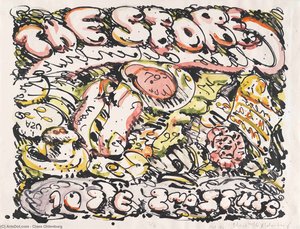
The genesis of “Two Cheeseburgers” occurred during Oldenburg’s ambitious project dubbed “The Store,” which debuted in December 1961 at a modest storefront on Manhattan's Lower East Side. Alongside fellow artists, including Lucas Samaras and Tom Wesselmann, Oldenburg presented three oversized soft sculptures—a hamburger, an ice cream cone, and a cake—each meticulously crafted from burlap soaked in plaster and painstakingly painted with enamel. This deliberate juxtaposition of scale challenged viewers’ perceptions of reality and underscored Oldenburg's fascination with the transformative potential of art.
Technically speaking, Oldenburg employed a technique that prioritized tactile experience alongside visual impact. The sculptures were constructed using chicken wire encased in plaster, creating a robust framework for layering textured surfaces—including lettuce, cheese slices, tomato wedges, and pickles—to mimic the appearance of a fully assembled cheeseburger. This meticulous attention to detail wasn’t merely decorative; it served as a deliberate provocation against the prevailing seriousness of Abstract Expressionism.
Beyond its formal qualities, “Two Cheeseburgers” carries significant symbolic weight. The oversized burger functions as an emblem of American prosperity and indulgence—a deliberately ironic commentary on societal values. Simultaneously, Oldenburg’s choice to represent a familiar food item within the context of monumental sculpture elevates it to the level of art, questioning hierarchies of taste and suggesting that beauty can be found in unexpected places. As Alfred H. Barr Jr., MoMA's founding director noted upon witnessing the installation, Oldenburg’s work was “brilliant,” marking a pivotal moment in redefining artistic boundaries.
The piece’s enduring legacy resides not only in its aesthetic achievements but also in its conceptual boldness—a testament to Oldenburg’s unwavering commitment to exploring humor and absurdity as avenues for artistic expression. Its inclusion in MoMA's collection solidified its place within the canon of 20th-century art, ensuring that “Two Cheeseburgers” continues to inspire contemplation on scale, materiality, and the role of art in shaping our understanding of the everyday world.


1929 - 2022 , Schweden
Explore the fascinating history of Pop Art, from its rebellious origins to its enduring influence on contemporary artists. Discover key figures like Warhol & Lichtenstein and learn about collecting this iconic movement.
Entdecken Sie das revolutionäre Werk von Kasimir Malewitsch und den Suprematismus! Expertenwissen über seine Kunst, Sammlerstücke & Investitionspotenzial. Jetzt lesen!
Explore the compelling work of Ukrainian artist Pavlo Makov, renowned for his conceptual photography deconstructing Soviet legacy. Discover his unique artistic process and investment potential.
Entdecken Sie die 10 Meisterwerke der Pop Art! Von Warhol bis Lichtenstein – erfahren Sie die Geschichten hinter ikonischen Gemälden, Techniken & Farben. Museumsgalerie-Qualität bei entdecken.
Entdecken Sie die Renaissance des Kunstpatronats! Personalisierte Kunstreproduktionen, digitale Vorschauen & erschwingliche Preise. Expertenrat für Ihre individuelle Sammlung – jetzt informieren!


Bleiben Sie über die neuesten Kunstnachrichten, exklusive Angebote und Dekorationsideen auf dem Laufenden.
Erzählen Sie uns von Ihrem Projekt und unsere Kunstexperten erstellen für Sie 3 personalisierte Kunstvorschläge.
Wir kuratieren 3 Optionen exklusiv für Sie – kostenlos!


 Teilen


 Weiterlesen
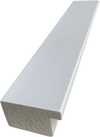
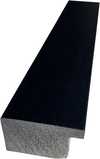
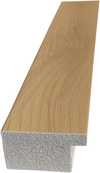
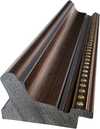
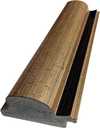
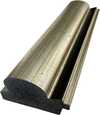
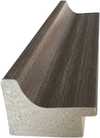
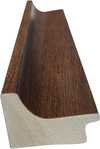
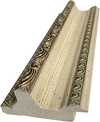
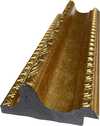
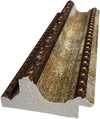
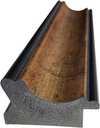
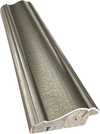
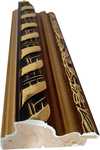
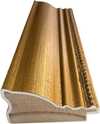
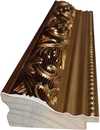
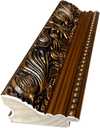
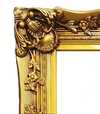
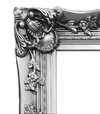
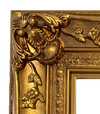
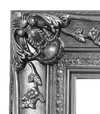
 Die Glasoption ist nur in Größen unter 110 cm verfügbar.