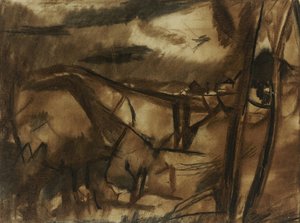
Oil On CanvasWallArtModernism
 1943
1943 41.0 x 36.0 cm
 Kunstförderungssammlung
Handgemaltes Ölgemälde auf Leinwand in Ihrer Wunschgröße und mit Rahmen, auf Bestellung von unseren Künstlern angefertigt. ( Druck bestellen Bild kaufen)





























Wählen Sie aus unseren vordefinierten Formaten, die den ursprünglichen Proportionen des Kunstwerks entsprechen.

Sie können Ihre eigenen Maße eingeben, um einen bestimmten Rahmen oder Platz auszufüllen. Wenn die gewählte Größe nicht den Proportionen des Originalbildes entspricht, werden wir das Kunstwerk entweder beschneiden oder das Gemälde durch zusätzliche, handgemalte Elemente erweitern. Ein digitales Mockup wird Ihnen zur Genehmigung zugesandt, bevor die Produktion beginnt.
Bitte beachten Sie, dass die Bildschirmvorschau nicht die tatsächliche Beschneidung oder Erweiterung widerspiegelt. Nur das Mockup zeigt die endgültige Komposition exakt an.
Obwohl Sondermaße verfügbar sind, empfehlen wir, eine Größe aus der vordefinierten Liste zu wählen, um die ursprünglichen Proportionen beizubehalten.
Weltweiter Versand () in nur 3 bis 4 Wochen statt der üblichen 5 Wochen. (20 August). Keine Kompromisse bei der Qualität.


Diana
Format der Reproduktion
David Bomberg’s Diana, painted in 1943, immediately draws the viewer into a moment of profound introspection. The central figure, clad in a striking red jacket, commands attention against a warm, almost incandescent orange background. Her posture—hand delicately placed near her face, suggesting contemplation or perhaps a momentary veil over deep thought—lends an air of enigmatic grace to the composition. Bomberg, a key member of the vibrant 'Whitechapel Boys,' captures not just a likeness, but a palpable state of being. The interplay between the vivid red garment and the surrounding autumnal glow creates an immediate visual tension, anchoring the viewer's gaze to the woman’s downward, thoughtful expression.
To appreciate Diana is to understand the trajectory of early 20th-century British modernism. While Bomberg’s training exposed him to the structured lessons of Cézanne and the dynamism of avant-garde movements, this piece retains a raw, emotional immediacy characteristic of his later work. His technique here suggests a masterful handling of paint, where form is suggested through bold planes of color rather than minute detail. The presence of other figures—one subtly placed in the upper left and another near the bottom right—suggests that the central subject exists within a larger social or psychological tableau. These secondary elements do not distract; rather, they frame the primary emotion, giving the scene depth beyond a simple portrait.
The title, Diana, evokes classical associations with the huntress and the goddess of the moon—figures often linked to mystery, independence, and feminine power. Yet, Bomberg grounds this mythological echo in a very human moment. The red jacket can be interpreted as passion or vitality against the backdrop of the fading orange light, perhaps symbolizing memory or the passage of time itself. The woman’s gesture is universally understood: it speaks of secrets held close, of beauty observed from within. For the collector or designer, this painting offers more than mere decoration; it offers a conversation piece—a meditation on introspection that resonates deeply in contemporary life.
Reproducing the power of Diana allows one to integrate a piece steeped in artistic history and emotional weight into any interior space. The rich palette, dominated by the fiery contrast of red and orange, makes it an exceptional focal point for rooms seeking depth and character. Whether displayed above a console table or as a centerpiece in a gallery wall, this reproduction captures Bomberg’s unique ability to infuse everyday subjects with monumental feeling. It is a piece that demands a pause, inviting quiet contemplation amidst the bustle of modern living.
Geboren als Sohn polnisch-jüdischer Einwanderer, Abraham und Rebecca Bomberg, in Birmingham. Die Familie zog 1895 nach Whitechapel, London.
Zunächst studierte er an der City and Guilds Technical Art School, bevor er sich als Lithograph in Birmingham ausbildete.
Er studierte unter Walter Sickert an der Westminster School of Art (1908-1910), wo er von Sickerts Fokus auf Form und Stadtleben beeinflusst wurde. Erlangte durch die Ausstellung "Manet und die Post-Impressionisten" im Jahr 1910 eine bedeutende Vertrautheit mit Paul Cézanne. Besuchte die Slade School of Art (1911) und gewann den Tonks Prize für seine Zeichnung seines Kommilitonen Isaac Rosenberg.
Die Erfahrungen als Soldat im Ersten Weltkrieg beeinflussten sein künstlerisches Schaffen tiefgreifend und führten zu einem Abschied vom Abstraktionismus.
In den 1920er Jahren übernahm Bomberg einen figurativeren Stil, der sich auf Porträts und Landschaften konzentrierte, die direkt aus der Natur entstanden. Entwickelte eine zunehmend expressionistische Technik, gekennzeichnet durch strukturierte Impastos und emotionale Intensität.
Umfangreiche Reisen durch den Nahen Osten (insbesondere Palästina) und Europa beeinflussten sein späteres Werk maßgeblich. Seine Darstellungen Jerusalems sind besonders bemerkenswert.

1890 - 1957 , Vereinigtes Königreich

Explore the groundbreaking work of David Bomberg, a pivotal figure in British abstraction. Discover his artistic evolution, influences, and lasting legacy through insightful analysis & expert commentary.

Explore the rich symbolism of the red dress in art history! From ancient power displays to iconic portraits like Cézanne’s 'Madame Cezanne', discover the cultural and artistic significance behind this captivating color. Expert analysis & insights.

Entdecken Sie die 25 Meisterwerke von Mark Rothko! Tauchen Sie ein in die Welt der abstrakten Kunst, des Expressionismus und der Farbfeldmalerei. Hochwertige Kunstdrucke & Reproduktionen auf BuyPopArt.com – für Ihre Wohnräume.
Entdecken Sie die 25 Meisterwerke von Henri Matisse! Tauchen Sie ein in die Welt des Fauvismus, der leuchtenden Farben und ikonischen Formen. Kunstreproduktionen & Inspiration für Ihr Zuhause – exklusiv auf BuyPopArt.com.

Entdecken Sie Gerard Davids einzigartige Verbindung von flämischer Tradition und Renaissance-Humanismus. Expertenanalyse seiner Werke, Ikonographie & Bedeutung für die Kunstgeschichte. Für Sammler und Kenner.


Bleiben Sie über die neuesten Kunstnachrichten, exklusive Angebote und Dekorationsideen auf dem Laufenden.
Erzählen Sie uns von Ihrem Projekt, und unsere Kunstexperten erstellen für Sie drei personalisierte Kunstvorschläge.
Wir kuratieren 3 Optionen exklusiv für Sie – kostenlos!


 Vorschau anzeigen
 Versenden
 Teilen
 Details anzeigen

 Herunterladen
 Ähnliche Objekte
 Röntgenaufnahme
 Diashow
 Weiterlesen







 Die Glasoption ist nur für Größen unter 110 cm verfügbar.