

 Öl auf LeinwandWandkunstExpressionist Movement
 1912Frühmittelalter
 70.0 x 80.0 cm
Giclée- oder Leinwanddruck in Museumsqualität mit schneller Produktion und flexiblen Veredelungsoptionen. ( Handgemaltes Gemälde kaufen Bild kaufen)





























Wählen Sie aus unseren vordefinierten Formaten, die den ursprünglichen Proportionen des Kunstwerks entsprechen.

Sie können Ihre eigenen Maße eingeben, um ein bestimmtes Format oder einen speziellen Platz einzupassen. Wenn das von Ihnen gewählte Format nicht den Proportionen des Originalbildes entspricht, werden wir das Kunstwerk entweder beschneiden oder das Bild mit einem gespiegelten oder einfarbigen Rand erweitern. Ein digitaler Entwurf wird Ihnen zur Genehmigung zugesandt, bevor die Produktion beginnt.
Bitte beachten Sie, dass die Vorschau auf dem Bildschirm nicht den tatsächlichen Zuschnitt oder die Erweiterung widerspiegelt. Nur der Entwurf zeigt die endgültige Komposition präzise an.
Obwohl Sondermaße verfügbar sind, empfehlen wir die Auswahl eines Maßes aus der vordefinierten Liste, um die ursprünglichen Proportionen zu bewahren.
Weltweiter Versand () innerhalb von 2 Wochen statt der üblichen 4/5 Wochen. (13 August)


Agonie
Format der Reproduktion
Egon Schiele’s "Agony," painted in 1912, isn't merely a depiction of two men embracing; it is a raw, visceral exploration of human connection, vulnerability, and the ever-present specter of mortality. Created during a period of intense personal turmoil for the artist – marked by illness, loss, and a growing awareness of his own precarious existence – the painting embodies Schiele’s signature style: an unflinching honesty that confronts the darkest corners of the human psyche. The work pulsates with an almost unbearable intensity, drawing the viewer into a world where physical closeness becomes a conduit for profound emotional exchange.
Measuring 70 x 80 centimeters, “Agony” is rendered in oil on canvas, showcasing Schiele’s masterful command of line and color. Bold, almost frantic brushstrokes dominate the composition, creating a sense of movement and urgency. The palette is dominated by rich, saturated reds and browns – hues that evoke both warmth and danger, suggesting a passionate embrace tempered by underlying anxiety. Notice how Schiele utilizes contrasting values to heighten the drama; the dark shadows clinging to the figures’ forms amplify their vulnerability, while the brighter areas draw attention to the points of contact between them. The composition itself is dynamic, with the men positioned close together, almost merging into one another – a visual representation of their intertwined fates. The upward gaze of both figures adds an element of yearning and perhaps even a desperate plea for connection or understanding.
“Agony” is a quintessential example of Expressionist art, a movement that prioritized subjective emotional experience over objective representation. Schiele, alongside artists like Klimt and Kokoschka, sought to convey inner turmoil through distorted forms, exaggerated colors, and emotionally charged imagery. The painting’s power lies not in its realistic portrayal of the human body but rather in its ability to evoke a feeling – a sense of profound longing, perhaps even pain or suppressed suffering. The embrace isn't simply physical; it’s symbolic, representing a desperate attempt to bridge the gap between two souls, a yearning for solace in a world riddled with uncertainty and loss. Schiele’s work reflects his own personal struggles, particularly the early death of his sister Elvira, which undoubtedly informed his preoccupation with mortality and the fragility of life.
To fully appreciate "Agony," it’s crucial to understand the historical context in which it was created. Vienna at the turn of the century was a city undergoing rapid social and artistic change, grappling with anxieties surrounding modernity, sexuality, and the decline of traditional values. Schiele's work resonated deeply within this atmosphere, challenging conventional notions of beauty and intimacy. His exploration of male homosexuality, often depicted with unflinching honesty, was considered scandalous at the time. The influence of his contemporaries – Klimt’s opulent decorative style and Kokoschka’s emotionally charged portraits – is evident in “Agony,” yet Schiele forged a distinctly individual path, characterized by his raw intensity and psychological depth. The painting stands as a testament to Schiele's unique vision—a poignant reflection on the complexities of human relationships and the inescapable awareness of our own mortality.
BuyPopArt offers meticulously crafted, hand-painted reproductions of Egon Schiele’s “Agony,” ensuring that you can experience the full emotional impact of this iconic artwork. These reproductions are created using traditional oil painting techniques and archival quality materials, faithfully capturing the artist's distinctive style and color palette. Whether for a personal collection or to enhance your interior design, a BuyPopArt reproduction provides an authentic connection to one of the most significant figures in modern art. Consider how this powerful image can add depth and resonance to any space – a constant reminder of the beauty and fragility inherent within the human experience.
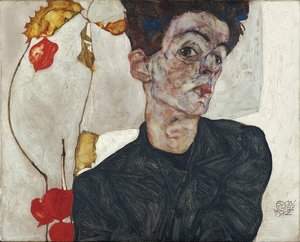
1890 - 1918 , kroatien

Dive into the raw, visceral world of Figurative Expressionism. Explore how icons like Schiele and Bacon use bold textures and intense human forms to redefine modern aesthetics. Discover high-impact art that brings unapologetic energy and emotional depth to your contemporary space.


Bleiben Sie über die neuesten Kunstnachrichten, exklusive Angebote und Dekorationsideen auf dem Laufenden.
Erzählen Sie uns von Ihrem Projekt, und unsere Kunstexperten erstellen für Sie drei personalisierte Kunstvorschläge.
Wir kuratieren 3 Optionen exklusiv für Sie – kostenlos!


 Vorschau anzeigen
 Versenden
 Teilen
 Details anzeigen

 Herunterladen
 Ähnliche Objekte
 Röntgenaufnahme
 Diashow
 Weiterlesen







 Die Glasoption ist nur für Größen unter 110 cm verfügbar.


