

 Oil On CanvasWallArtImpressionism
 1890
1890 81.0 x 65.0 cm
 The Israel Museum
Giclée- oder Leinwanddruck in Museumsqualität mit schneller Produktion und flexiblen Veredelungsoptionen. ( Zur handgemalten Reproduktion wechseln Zum Bild wechseln)
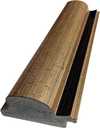
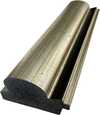
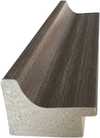
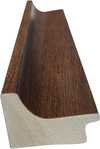
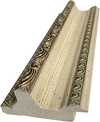
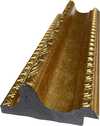
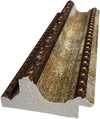
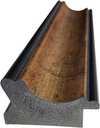
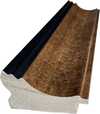
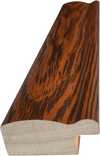
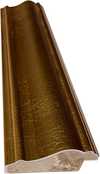
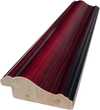
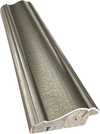
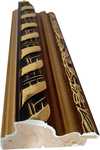
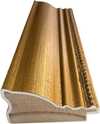
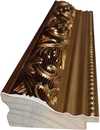
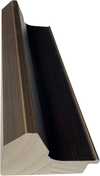
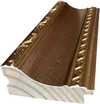
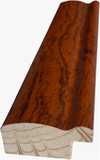
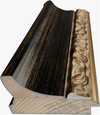
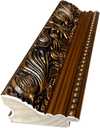
Wählen Sie aus unseren vordefinierten Formaten, die den ursprünglichen Proportionen des Kunstwerks entsprechen.

Sie können Ihre eigenen Maße eingeben, um ein bestimmtes Format oder einen speziellen Platz einzupassen. Wenn das von Ihnen gewählte Format nicht den Proportionen des Originalbildes entspricht, werden wir das Kunstwerk entweder beschneiden oder das Bild mit einem gespiegelten oder einfarbigen Rand erweitern. Ein digitaler Entwurf wird Ihnen zur Genehmigung zugesandt, bevor die Produktion beginnt.
Bitte beachten Sie, dass die Vorschau auf dem Bildschirm nicht den tatsächlichen Zuschnitt oder die Erweiterung widerspiegelt. Nur der Entwurf zeigt die endgültige Komposition präzise an.
Obwohl Sondermaße verfügbar sind, empfehlen wir die Auswahl eines Maßes aus der vordefinierten Liste, um die ursprünglichen Proportionen zu bewahren.
Weltweiter Versand () innerhalb von 2 Wochen statt der üblichen 4/5 Wochen. (3 August)


River Scene
Format der Reproduktion
“River Scene,” painted by Ferdinand Guillaumin in 1890, stands as a quintessential example of Impressionism’s fascination with capturing fleeting moments and sensory impressions. More than just a depiction of a riverside landscape, it's an invitation to experience the atmosphere of a bygone era—a testament to Guillaumin’s ability to distill the essence of light and color into a single canvas.
The artwork portrays a bustling waterway dominated by several boats – barges laden with cargo, smaller vessels navigating calmer stretches – reflecting the industrial growth occurring in France during the late 19th century. Guillaumin skillfully employs horizontal lines to emphasize the expansive space of the river and horizon, creating a visual rhythm that draws the viewer’s eye across the composition. The arrangement of boats contributes to this sense of movement and dynamism.
Guillaumin's distinctive style is characterized by “impasto,” where thick layers of paint are applied directly onto the canvas, creating a palpable textural surface that captures the shimmering effect of sunlight on the water’s surface. Short, broken brushstrokes dominate the technique, mirroring the fragmented nature of perception itself—a hallmark of Impressionism’s rejection of academic realism.
The color palette leans heavily towards blues and greens – reflecting the dominant hues of the river environment – punctuated by yellows and browns that add warmth and depth. Guillaumin utilizes a muted tonal range, prioritizing atmospheric light over precise representation. The boats themselves could symbolize progress, trade, or perhaps even the passage of time, subtly enriching the artwork’s narrative.
Painted during the height of Impressionism's influence, “River Scene” aligns perfectly with the movement’s core principles—a deliberate departure from traditional artistic conventions. Its inclusion in exhibitions alongside Claude Monet solidified Guillaumin’s place within the canon of Impressionist art. Today, reproductions of this evocative piece continue to inspire collectors and interior designers seeking a connection to the beauty and immediacy of nature.
Further exploration into Ferdinand Guillaumin's artistic career reveals his membership in the Société Nautique de Marne, where he championed the depiction of maritime subjects. His work at the Musée d’Art Moderne de Paris alongside Monet exemplifies the collaborative spirit that propelled Impressionism forward.

1841 - 1927 , Frankreich
Entdecken Sie die 25 Meisterwerke von Paul Cézanne! Tauchen Sie ein in die Welt des Impressionismus und Postimpressionismus. Erfahren Sie mehr über seine Stillleben, Landschaften & berühmten Gemälde – jetzt hochwertige Kunstdrucke auf BuyPopArt.com.
Entdecken Sie die 25 Meisterwerke von Claude Monet! Tauchen Sie ein in die Welt des Impressionismus, erleben Sie Seerosen, Sonnenaufgänge & Kathedralen. Hochwertige Reproduktionen für Ihr Zuhause – exklusiv auf BuyPopArt.com.
Entdecken Sie die 10 schönsten Landschaftsbilder der Kunstgeschichte! Von Monet bis Van Gogh – erfahren Sie die Geschichten hinter Meisterwerken & finden Sie Inspiration für Ihr Zuhause. Hochwertige Kunstdrucke auf BuyPopArt.com.
Entdecken Sie die 25 Meisterwerke von John Constable! Erleben Sie englische Landschaftsmalerei vom Hay Wain bis zur Stour Valley. Hochwertige Reproduktionen & Kunst für Ihr Zuhause auf BuyPopArt.com.

Entdecken Sie Ferdinand Guillaumin, einen Meister des Impressionismus! Erfahren Sie mehr über sein Leben, seine atemberaubenden Flusslandschaften und seinen Einfluss auf die französische Landschaftsmalerei. Jetzt lesen!


Bleiben Sie über die neuesten Kunstnachrichten, exklusive Angebote und Dekorationsideen auf dem Laufenden.
Erzählen Sie uns von Ihrem Projekt, und unsere Kunstexperten erstellen für Sie drei personalisierte Kunstvorschläge.
Wir kuratieren 3 Optionen exklusiv für Sie – kostenlos!


 In echtem Maßstab anzeigen
 Versenden
 Teilen
 Details anzeigen

 Herunterladen
 Ähnliche Objekte
 Röntgenaufnahme
 Diashow starten
 Mehr anzeigen
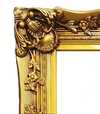
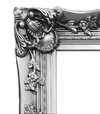
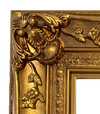
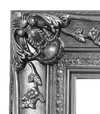
 Die Glasoption ist nur in Größen unter 110 cm verfügbar.


