Giclée- oder Leinwanddruck in Museumsqualität mit schneller Produktion und flexiblen Veredelungsoptionen. ( Zur handgemalten Reproduktion wechseln Zum Bild wechseln)





























Wählen Sie aus unseren vordefinierten Formaten, die den ursprünglichen Proportionen des Kunstwerks entsprechen.

Sie können Ihre eigenen Maße eingeben, um ein bestimmtes Format oder einen speziellen Platz einzupassen. Wenn das von Ihnen gewählte Format nicht den Proportionen des Originalbildes entspricht, werden wir das Kunstwerk entweder beschneiden oder das Bild mit einem gespiegelten oder einfarbigen Rand erweitern. Ein digitaler Entwurf wird Ihnen zur Genehmigung zugesandt, bevor die Produktion beginnt.
Bitte beachten Sie, dass die Vorschau auf dem Bildschirm nicht den tatsächlichen Zuschnitt oder die Erweiterung widerspiegelt. Nur der Entwurf zeigt die endgültige Komposition präzise an.
Obwohl Sondermaße verfügbar sind, empfehlen wir die Auswahl eines Maßes aus der vordefinierten Liste, um die ursprünglichen Proportionen zu bewahren.
Weltweiter Versand () innerhalb von 2 Wochen statt der üblichen 4/5 Wochen. (5 August)


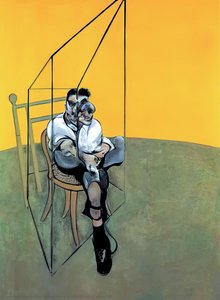
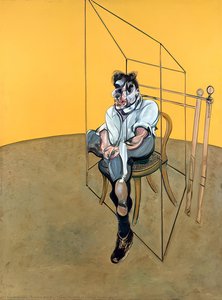
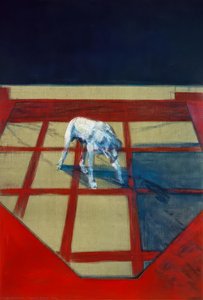
Triptych, left
Format der Reproduktion
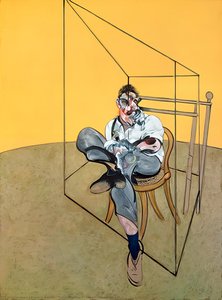
Francis Bacon's "Man Sitting," completed in 1983, stands as one of the artist’s most iconic depictions of human vulnerability and psychological torment. Painted during a period marked by personal upheaval – Bacon had endured a devastating divorce just months prior – the canvas embodies the profound anxieties that characterized his oeuvre throughout his prolific career.
Bacon employed a technique he termed "squeeze," applying paint directly onto the canvas with a sponge or rag. This method eschewed traditional brushstrokes, resulting in a surface riddled with irregular marks and palpable physicality. The orange background—a color frequently utilized by Bacon—amplifies the painting’s unsettling atmosphere, creating a sense of claustrophobia and highlighting the figure's isolation.
"Man Sitting" emerged from a broader artistic landscape grappling with themes of trauma, disillusionment, and existential dread. Bacon’s work reflects the anxieties prevalent in post-war Britain—a society reeling from the devastation of World War II and confronting questions about morality, identity, and the human condition. His exploration of psychological vulnerability aligns closely with Surrealist influences and anticipates developments in Expressionism.
The figure’s nude state symbolizes exposure—not merely physical nudity but also a stripping away of defenses and illusions. The crossed arms represent both protection and confinement, encapsulating the struggle to maintain composure amidst overwhelming emotion. The orange background serves as a visual metaphor for passion, danger, and perhaps even impending doom – colors often associated with primal instincts and subconscious desires.
"Man Sitting" compels viewers to confront uncomfortable truths about human psychology—the inevitability of suffering, the fragility of identity, and the pervasive presence of darkness within ourselves. Bacon’s masterful manipulation of form and color transcends mere representation; it achieves a profound emotional resonance that lingers long after viewing the artwork. It invites contemplation on themes of isolation, vulnerability, and the enduring quest for meaning in an indifferent universe.
Ultimately, Bacon's "Man Sitting" remains a testament to the artist's unwavering commitment to portraying the complexities of human experience—a haunting reminder that beauty can coexist with pain, and that confronting darkness is essential for achieving genuine understanding.
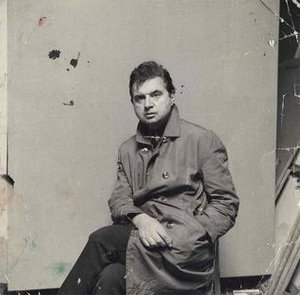
1909 - 1992 , Irland
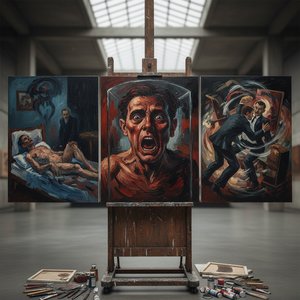
Entdecken Sie die 25 Meisterwerke von Francis Bacon! Erleben Sie existenzielle Schmerz, expressive Porträts & dunkle Farben. Kunstreproduktionen in Museumsqualiät auf BuyPopArt.com – für Ihre Wanddekoration.

Verwandeln Sie Ihre Fotos in einzigartige Kunstwerke! BuyPopArt.com bietet handgemalte Gemälde, inspiriert von KI & Surrealismus. Qualität, persönliche Beratung & sichere Bestellung.

Erforschen Sie Francis Bacons tiefgründige Auseinandersetzung mit existenzieller Angst und Trauma. Analyse seiner formalen Innovationen, seines Einflusses auf die Neue Figuration und seines philosophischen Weltbilds. Jetzt lesen!
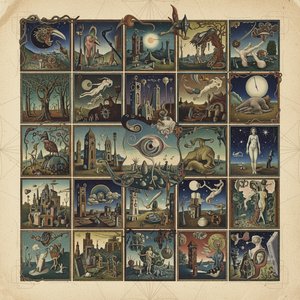
Entdecken Sie die 25 bedeutendsten Kunstwerke von Max Ernst! Tauchen Sie ein in die Welt des Surrealismus, Dada und abstrakter Malerei. Hochwertige Kunstreproduktionen & Inspiration für Ihr Zuhause bei BuyPopArt.com.

Explore the captivating world of Symbolism! Discover key artists, psychological themes & its lasting impact on modern art. Expert insights for collectors and enthusiasts at BuyPopArt.


Bleiben Sie über die neuesten Kunstnachrichten, exklusive Angebote und Dekorationsideen auf dem Laufenden.
Erzählen Sie uns von Ihrem Projekt, und unsere Kunstexperten erstellen für Sie drei personalisierte Kunstvorschläge.
Wir kuratieren 3 Optionen exklusiv für Sie – kostenlos!


 In echtem Maßstab anzeigen
 Versenden
 Teilen
 Details anzeigen

 Herunterladen
 Ähnliche Objekte
 Röntgenaufnahme
 Diashow starten

 Mehr anzeigen







 Die Glasoption ist nur in Größen unter 110 cm verfügbar.