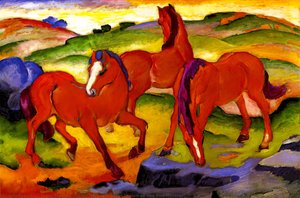
Öl auf LeinwandWandkunstGerman Expressionism
 1905
1905 13.0 x 16.0 cm
Giclée- oder Leinwanddruck in Museumsqualität mit schneller Produktion und flexiblen Veredelungsoptionen. ( Switch to hand made Painting Switch to Image)
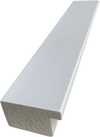
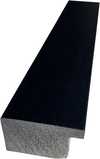
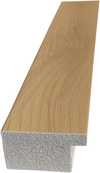
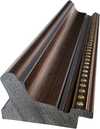
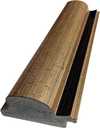
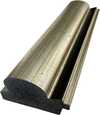
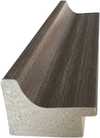
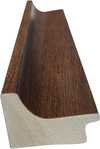
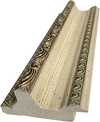
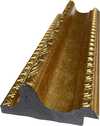
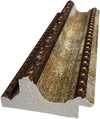
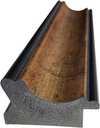
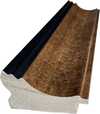
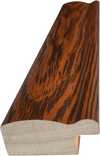
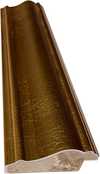
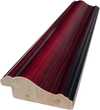
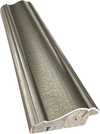
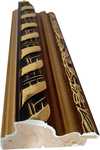
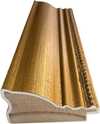
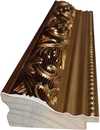
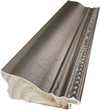
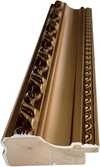
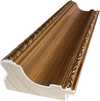
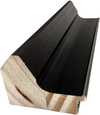
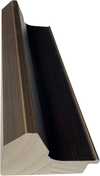
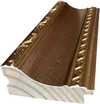
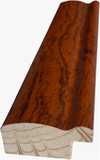
Wählen Sie aus unseren vordefinierten Größen, die den ursprünglichen Proportionen des Kunstwerks entsprechen.

Sie können Ihre eigenen Maße eingeben, um ein bestimmtes Format oder einen speziellen Platz einzupassen. Wenn das von Ihnen gewählte Format nicht den Proportionen des Originalbildes entspricht, werden wir das Kunstwerk entweder beschneiden oder das Bild mit einem gespiegelten oder einfarbigen Rand erweitern. Ein digitaler Entwurf wird Ihnen zur Genehmigung zugesandt, bevor die Produktion beginnt.
Bitte beachten Sie, dass die Vorschau auf dem Bildschirm nicht den tatsächlichen Zuschnitt oder die Erweiterung widerspiegelt. Nur der Entwurf zeigt die endgültige Komposition präzise an.
Obwohl Sondermaße verfügbar sind, empfehlen wir die Auswahl eines Maßes aus der vordefinierten Liste, um die ursprünglichen Proportionen zu bewahren.
Weltweiter Versand () innerhalb von 2 Wochen statt der üblichen 4/5 Wochen. (29 Juli)


Der tote Spatz
Größe der Reproduktion
Franz Marc’s “Das tote Späherlein” (The Dead Sparrow), painted in 1905, is more than just a diminutive depiction of a fallen bird; it's a profound meditation on life, death, and the yearning for spiritual connection. Measuring a mere 13 x 16 centimeters, this painting punches far above its size, radiating an intensity that belies its modest dimensions. Marc, a pivotal figure in the German Expressionist movement, wasn’t simply interested in replicating reality; he sought to capture the *inner* reality – the emotional and spiritual essence of his subjects. This work exemplifies that ambition with breathtaking clarity.
The painting is a quintessential example of Expressionism, a movement born from a desire to break free from academic constraints and express raw emotion directly on the canvas. Marc’s bold use of color – predominantly earthy browns, ochres, and muted blues – immediately evokes a sense of melancholy and quiet contemplation. These aren't merely descriptive hues; they are deliberately chosen to amplify the painting’s emotional weight. The distorted form of the sparrow, its head tilted at an unsettling angle, contributes to this feeling of unease and vulnerability. It’s crucial to understand that Marc wasn’t aiming for a realistic portrayal but rather a symbolic one, reflecting his own deeply felt anxieties about mortality and the fragility of existence.
The sparrow itself is laden with symbolism. In Marc's worldview, animals represented a direct connection to nature and, consequently, to the divine. The bird’s lifelessness speaks volumes about the transient nature of life – a poignant reminder that all earthly beauty is ultimately fleeting. Marc frequently depicted animals in his work, believing they possessed an innocence and purity unattainable by humankind. This reverence for the natural world was deeply rooted in his early theological explorations, suggesting a belief that art could serve as a pathway to spiritual understanding. The bird’s posture, lying on its side, further emphasizes this vulnerability and surrender to the inevitable.
While firmly rooted in Expressionism, “Das tote Späherlein” also reveals influences from other artistic currents. Marc’s use of flattened planes and simplified forms echoes elements of Cubism, while the vibrant, almost Fauvist-like color palette hints at the bold experimentation taking place within that movement. His brushstrokes are loose and gestural, contributing to the painting's dynamic energy despite its small scale. The meticulous attention to detail in rendering the bird’s feathers, however, demonstrates a grounding in traditional artistic techniques – a careful balance between innovation and established practice. Marc masterfully combined these diverse influences into a uniquely personal style.
BuyPopArt offers exquisite, hand-painted reproductions of this iconic work, meticulously recreating Marc's masterful use of color and texture. Owning a reproduction allows you to bring this powerful piece of art history into your home or office, serving as a constant reminder of the beauty and fragility of life – a timeless meditation on mortality rendered with breathtaking emotional depth.
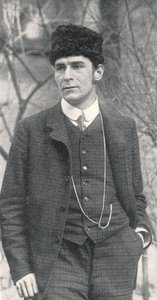
1880 - 1916 , Deutschland

Entdecken Sie die Top 25 Kunstwerke von Marc Chagall! Tauchen Sie ein in seine traumhaften Welten, jüdische Motive & expressiven Farben. Hochwertige Kunstreproduktionen auf BuyPopArt.com – für Ihr Zuhause.

Entdecken Sie die 10 bedeutendsten Werke des Deutschen Expressionismus! Kirchner, Nolde & Co. – ihre Geschichten, Techniken und zeitlose Schönheit. Hochwertige Kunstdrucke auf BuyPopArt.com kaufen und Ihr Zuhause mit emotionaler Kunst bereichern. Jetzt entdecken!

Entdecken Sie die 25 Meisterwerke von Claude Monet! Tauchen Sie ein in die Welt des Impressionismus, erleben Sie Seerosen, Sonnenaufgänge & Kathedralen. Hochwertige Reproduktionen für Ihr Zuhause – exklusiv auf BuyPopArt.com.

Entdecken Sie die 10 berühmtesten Gemälde, dominiert von grauen Tönen! Von Monet bis Hopper – erfahren Sie die Geschichten hinter den Meisterwerken und lassen Sie sich für Ihre Wohnideen inspirieren. Hochwertige Reproduktionen auf

Entdecken Sie die Top 10 berühmter Gemälde, dominiert von faszinierendem Chromgrün! Von Monet bis Van Gogh – erfahren Sie die Geschichten hinter den Meisterwerken und lassen Sie sich für Ihre Wohnraumgestaltung inspirieren. Kunstdrucke in Museumsqualiät auf


Bleiben Sie über die neuesten Kunstnachrichten, exklusive Angebote und Dekorationsideen auf dem Laufenden.
Erzählen Sie uns von Ihrem Projekt und unsere Kunstexperten erstellen für Sie 3 personalisierte Kunstvorschläge.
Wir kuratieren 3 Optionen exklusiv für Sie – kostenlos!


 Preview
 Versenden
 Teilen
 Details anzeigen

 Herunterladen
 Ähnliche Objekte
 Röntgenaufnahme
 Diashow anzeigen
 Weiterlesen
 Die Glasoption ist nur in Größen unter 110 cm verfügbar.