

 Oil On CanvasWallArtAustralian Impressionism
 1909
1909 77.0 x 92.0 cm
 National Gallery of Victoria
Giclée- oder Leinwanddruck in Museumsqualität mit schneller Produktion und flexiblen Veredelungsoptionen. ( Switch to hand made Painting Switch to Image)





























Wählen Sie aus unseren vordefinierten Größen, die den ursprünglichen Proportionen des Kunstwerks entsprechen.

Sie können Ihre eigenen Maße eingeben, um ein bestimmtes Format oder einen speziellen Platz einzupassen. Wenn das von Ihnen gewählte Format nicht den Proportionen des Originalbildes entspricht, werden wir das Kunstwerk entweder beschneiden oder das Bild mit einem gespiegelten oder einfarbigen Rand erweitern. Ein digitaler Entwurf wird Ihnen zur Genehmigung zugesandt, bevor die Produktion beginnt.
Bitte beachten Sie, dass die Vorschau auf dem Bildschirm nicht den tatsächlichen Zuschnitt oder die Erweiterung widerspiegelt. Nur der Entwurf zeigt die endgültige Komposition präzise an.
Obwohl Sondermaße verfügbar sind, empfehlen wir die Auswahl eines Maßes aus der vordefinierten Liste, um die ursprünglichen Proportionen zu bewahren.
Weltweiter Versand () innerhalb von 2 Wochen statt der üblichen 4/5 Wochen. (28 Juli)


Moonrise
Größe der Reproduktion
Frederick McCubbin’s “Moonrise,” painted in 1909, isn't merely a landscape; it’s a distilled essence of the Australian experience. Captured with an almost dreamlike quality, the painting transports us to a quiet corner of rural Victoria, bathed in the ethereal glow of a full moon. The scene unfolds within a familiar yet subtly heightened reality – a small farmhouse nestled amongst rolling hills, its smoke curling upwards as if whispering tales of daily life. McCubbin masterfully employs an Australian Impressionist style, prioritizing light and atmosphere over precise detail, mirroring the techniques he’d absorbed from his contemporaries like Tom Roberts and Charles Conder.
The painting's power lies in its ability to evoke a profound sense of tranquility and nostalgia. It’s a scene that speaks to the enduring connection between humanity and the land – a quiet acknowledgement of the rhythms of nature and the simple pleasures of rural existence. The muted palette, dominated by blues, greys, and ochres, contributes significantly to this mood, creating an atmosphere of serene contemplation. Notice how McCubbin uses subtle gradations of color to suggest depth and distance, drawing the viewer into the heart of the scene.
To fully appreciate “Moonrise,” it’s crucial to understand its place within the Heidelberg School. This influential group of artists, active in the late 19th and early 20th centuries, sought to define a distinctly Australian artistic identity. Rejecting European academic traditions, they embraced plein air painting – working directly from nature – and focused on depicting scenes of rural life, pioneering settlements, and the vast landscapes of the continent. McCubbin’s work is emblematic of this movement, capturing the spirit of the bush with an honesty and sensitivity rarely seen before.
The choice of subject matter—a humble farmhouse under a luminous moon—is deliberate. It reflects the values of the Australian pioneers: resilience, self-sufficiency, and a deep respect for the land. McCubbin wasn’t interested in grand historical narratives or dramatic events; instead, he chose to portray the everyday realities of rural life, imbuing them with a quiet dignity and beauty.
Beyond its aesthetic appeal, “Moonrise” is rich in symbolic meaning. The moon itself – a recurring motif in McCubbin’s work – represents both illumination and mystery. It casts an otherworldly glow upon the landscape, transforming the familiar into something almost magical. The smoke rising from the farmhouse suggests warmth, family, and continuity—a connection to generations past. The fence enclosing the property symbolizes boundaries, but also a sense of enclosure and protection.
Furthermore, consider the composition: the small house positioned centrally draws our eye, anchoring us within this scene. The distant hills create a sense of vastness and solitude, while the water in the background offers a subtle reflection of the moonlit sky. These elements work together to create a harmonious whole, conveying a feeling of peace and belonging.
“Moonrise” remains one of Frederick McCubbin’s most celebrated works, now housed at the National Gallery of Victoria in Melbourne. Reproductions offer an accessible way to experience its beauty and contemplate its deeper meanings. When selecting a reproduction, consider the quality of the print and the accuracy with which it captures the original's nuanced colors and textures. It is a timeless piece that continues to resonate with audiences today, reminding us of the enduring allure of the Australian landscape and the quiet dignity of rural life.
Frederick McCubbin gilt als eine zentrale Figur in der australischen Kunstgeschichte und ist bekannt für seine Beiträge zur Heidelberg School Bewegung und seine eindringlichen Darstellungen des australischen Lebens. Geboren in einer Familie von Bäckern, war sein frühes Leben von vielfältigen Erfahrungen geprägt – vom Arbeiten als Anwaltsgehilfe bis zum Brot austragen –, bevor er sich ganz der Malerei widmete.

1855 - 1917 , Australien
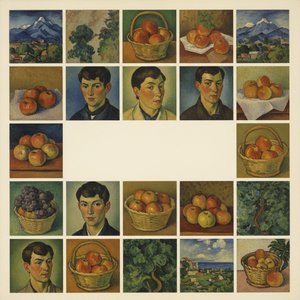
Entdecken Sie die 25 Meisterwerke von Paul Cézanne! Tauchen Sie ein in die Welt des Impressionismus und Postimpressionismus. Erfahren Sie mehr über seine Stillleben, Landschaften & berühmten Gemälde – jetzt hochwertige Kunstdrucke auf BuyPopArt.com.
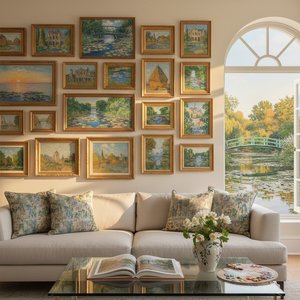
Entdecken Sie die 25 Meisterwerke von Claude Monet! Tauchen Sie ein in die Welt des Impressionismus, erleben Sie Seerosen, Sonnenaufgänge & Kathedralen. Hochwertige Reproduktionen für Ihr Zuhause – exklusiv auf BuyPopArt.com.
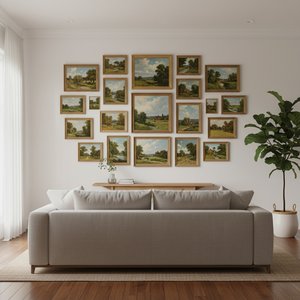
Entdecken Sie die 25 Meisterwerke von John Constable! Erleben Sie englische Landschaftsmalerei vom Hay Wain bis zur Stour Valley. Hochwertige Reproduktionen & Kunst für Ihr Zuhause auf BuyPopArt.com.
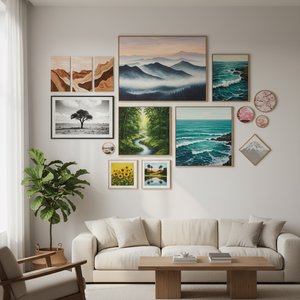
Entdecken Sie die 10 schönsten Landschaftsbilder der Kunstgeschichte! Von Monet bis Van Gogh – erfahren Sie die Geschichten hinter Meisterwerken & finden Sie Inspiration für Ihr Zuhause. Hochwertige Kunstdrucke auf BuyPopArt.com.

Entdecken Sie die 25 Meisterwerke von Sir Alfred James Munnings! Erleben Sie seine beeindruckenden Pferdebilder, geprägt vom Impressionismus und Realismus. Hochwertige Kunstdrucke & Reproduktionen auf BuyPopArt.com – für elegante Wandkunst & stilvolles Interieurdesign.


Bleiben Sie über die neuesten Kunstnachrichten, exklusive Angebote und Dekorationsideen auf dem Laufenden.
Erzählen Sie uns von Ihrem Projekt und unsere Kunstexperten erstellen für Sie 3 personalisierte Kunstvorschläge.
Wir kuratieren 3 Optionen exklusiv für Sie – kostenlos!


 Preview
 Versenden
 Teilen
 Details anzeigen

 Herunterladen
 Ähnliche Objekte
 Röntgenaufnahme
 Diashow anzeigen
 Weiterlesen







 Die Glasoption ist nur in Größen unter 110 cm verfügbar.


