


 Preview
 Druck bestellen Bild kaufen
 Versenden
 Details anzeigen
 Zu Favoriten hinzufügen
 Herunterladen
 Ähnliche Objekte
 Röntgenaufnahme
 Diashow anzeigen
 Öl auf LeinwandWandkunstSymbolism
 187719. Jahrhundert
 117.0 x 93.0 cm
 Tate Britain
Handgemaltes Ölgemälde auf Leinwand in Ihrer Wunschgröße und mit Rahmen, auf Bestellung von unseren Künstlern angefertigt.
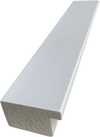
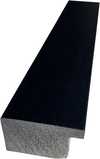
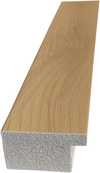
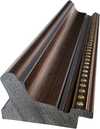
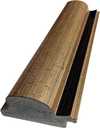
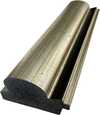
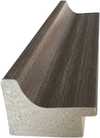
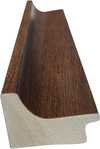
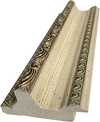
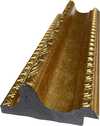
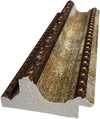
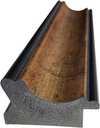
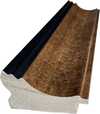
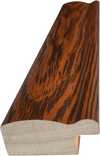
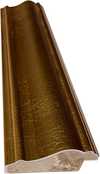
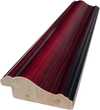
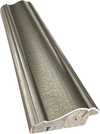
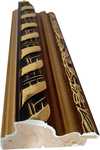
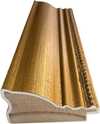
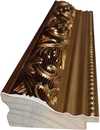
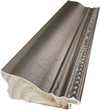
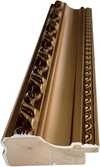
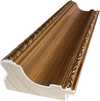
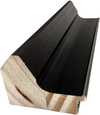
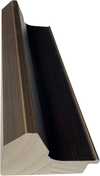
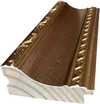
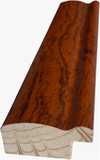
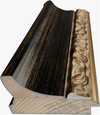
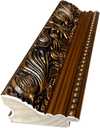
Wählen Sie aus unseren vordefinierten Größen, die den ursprünglichen Proportionen des Kunstwerks entsprechen.

Sie können Ihre eigenen Maße eingeben, um einen bestimmten Rahmen oder Platz auszufüllen. Wenn die gewählte Größe nicht den Proportionen des Originalbildes entspricht, werden wir das Kunstwerk entweder beschneiden oder das Gemälde durch zusätzliche, handgemalte Elemente erweitern. Ein digitales Mockup wird Ihnen zur Genehmigung zugesandt, bevor die Produktion beginnt.
Bitte beachten Sie, dass die Bildschirmvorschau nicht die tatsächliche Beschneidung oder Erweiterung widerspiegelt. Nur das Mockup zeigt die endgültige Komposition exakt an.
Obwohl Sondermaße verfügbar sind, empfehlen wir, eine Größe aus der vordefinierten Liste zu wählen, um die ursprünglichen Proportionen beizubehalten.
Weltweiter Versand () in nur 3 bis 4 Wochen statt der üblichen 5 Wochen. (26 Juli). Keine Kompromisse bei der Qualität.


The Minotaur
Größe der Reproduktion
George Frederic Watts’ “The Minotaur,” painted in 1885, is not merely a depiction of a monstrous figure from Greek mythology; it's a profound meditation on isolation, guilt, and the enduring power of primal narratives. This oil-on-panel masterpiece transcends simple illustration, offering a glimpse into the tormented psyche of a creature trapped within his own legend. Watts, a key figure in the Symbolist movement, masterfully employs color, composition, and texture to evoke a sense of brooding intensity—a palpable feeling of loneliness emanating from the Minotaur’s gaze.
Watts’ painting emerged during a period of intense social reform in Britain, fueled largely by the investigative journalism of W. T. Stead. Stead's harrowing exposé of child prostitution—detailed in his series “The Maiden Tribute of Modern Babylon”—brought the plight of vulnerable young women to public attention and galvanized calls for legislative change. Watts, deeply moved by this exposure, channeled his concern into "The Minotaur," using the myth as a potent allegory for the horrors of exploitation and the consequences of unchecked violence. The image isn’t simply a retelling of the myth; it's a direct response to a contemporary social crisis.
The painting itself is often interpreted as a commentary on the cyclical nature of violence, mirroring the Athenian practice of sending young men and women as sacrifices to the Minotaur. Watts deliberately obscures the Minotaur’s face, presenting him in profile—a “profil perdu”—which heightens his sense of mystery and vulnerability. This deliberate ambiguity forces the viewer to confront the creature's inherent sadness and isolation rather than simply viewing him as a terrifying monster.
Watts’ artistic style is immediately recognizable—a blend of realism and symbolic representation, heavily influenced by his studies in Italy. He utilizes rich, earthy tones – deep browns, ochres, and muted blues – to create a sense of age and solidity for the Minotaur's form. The rocky surface beneath him, rendered with thick impasto brushstrokes, adds texture and weight, grounding the figure within a desolate landscape. The turbulent sea and dramatic sky contribute to the painting’s overall atmosphere of foreboding and despair.
Notice the subtle details: the crushed bird clutched in the Minotaur's hand—a poignant symbol of innocence lost; the distant ship, representing the doomed sacrifices; and the creature’s downward gaze, suggesting a profound sense of regret. The composition itself is carefully constructed to emphasize the Minotaur’s isolation and vulnerability, drawing the viewer into his internal struggle.
“The Minotaur” remains a powerfully evocative work of art, continuing to resonate with audiences today. Its exploration of themes such as guilt, violence, and isolation transcends its mythological origins, offering a timeless commentary on the darker aspects of human nature. High-quality reproductions of Watts’ masterpiece are now available through BuyPopArt, allowing collectors and art enthusiasts alike to experience the beauty and emotional depth of this iconic painting firsthand. Whether displayed in a grand salon or a more intimate setting, “The Minotaur” serves as a reminder of the enduring power of myth and the importance of confronting uncomfortable truths.

1817 - 1904 , Vereinigtes Königreich

Entdecken Sie die 25 bedeutendsten Kunstwerke von Georges Braque – vom Kubismus bis zum Fauvismus. Erfahren Sie die Geschichten hinter den Meisterwerken und finden Sie hochwertige Reproduktionen für Ihr Zuhause auf BuyPopArt.com.

Entdecken Sie die 25 ikonischsten Meisterwerke von Georges Seurat! Tauchen Sie ein in die Welt des Pointillismus, der Farbtheorie und des Impressionismus. Hochwertige Kunst reproduzieren für Ihr Zuhause – jetzt auf BuyPopArt.com!

Entdecken Sie die 25 Meisterwerke von Claude Monet! Tauchen Sie ein in die Welt des Impressionismus, erleben Sie Seerosen, Sonnenaufgänge & Kathedralen. Hochwertige Reproduktionen für Ihr Zuhause – exklusiv auf BuyPopArt.com.

Explore the captivating Symbolist art of George Frederic Watts. Discover his allegorical masterpieces, classical influences & spiritual themes. Learn about his legacy and find high-quality reproductions at BuyPopArt.

Entdecken Sie die 10 berühmtesten Gemälde, dominiert von grauen Tönen! Von Monet bis Hopper – erfahren Sie die Geschichten hinter den Meisterwerken und lassen Sie sich für Ihre Wohnideen inspirieren. Hochwertige Reproduktionen auf


Bleiben Sie über die neuesten Kunstnachrichten, exklusive Angebote und Dekorationsideen auf dem Laufenden.
Erzählen Sie uns von Ihrem Projekt und unsere Kunstexperten erstellen für Sie 3 personalisierte Kunstvorschläge.
Wir kuratieren 3 Optionen exklusiv für Sie – kostenlos!


 Teilen

 Weiterlesen
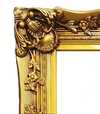
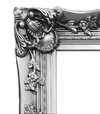
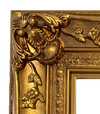
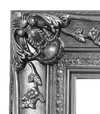
 Die Glasoption ist nur in Größen unter 110 cm verfügbar.


