Handgemaltes Ölgemälde auf Leinwand in Ihrer Wunschgröße und mit Rahmen, auf Bestellung von unseren Künstlern angefertigt. ( Druck bestellen Bild kaufen)





























Wählen Sie aus unseren vordefinierten Formaten, die den ursprünglichen Proportionen des Kunstwerks entsprechen.

Sie können Ihre eigenen Maße eingeben, um einen bestimmten Rahmen oder Platz auszufüllen. Wenn die gewählte Größe nicht den Proportionen des Originalbildes entspricht, werden wir das Kunstwerk entweder beschneiden oder das Gemälde durch zusätzliche, handgemalte Elemente erweitern. Ein digitales Mockup wird Ihnen zur Genehmigung zugesandt, bevor die Produktion beginnt.
Bitte beachten Sie, dass die Bildschirmvorschau nicht die tatsächliche Beschneidung oder Erweiterung widerspiegelt. Nur das Mockup zeigt die endgültige Komposition exakt an.
Obwohl Sondermaße verfügbar sind, empfehlen wir, eine Größe aus der vordefinierten Liste zu wählen, um die ursprünglichen Proportionen beizubehalten.
Weltweiter Versand () in nur 3 bis 4 Wochen statt der üblichen 5 Wochen. (21 August). Keine Kompromisse bei der Qualität.


the Chariot
Format der Reproduktion
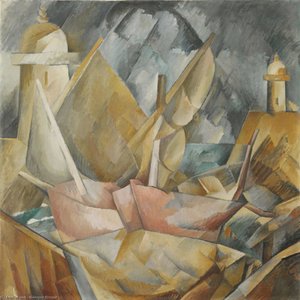
In the pantheon of modern art, few movements have reshaped our perception of reality as profoundly as Cubism, and few artists embodied its intellectual rigor quite like Georges Braque. His masterpiece, The Chariot, serves as a breathtaking window into this revolutionary era. At first glance, the viewer is met with the powerful imagery of a horse-drawn chariot, an ancient symbol of conquest and momentum. Yet, Braque refuses to offer a simple, literal depiction. Instead, he invites us into a world where form is deconstructed and reassembled, presenting a stylized representation that priorits geometric truth over naturalistic accuracy. The painting captures the kinetic energy of movement through a complex arrangement of planes, where the horses' musculature and flowing tails are rendered with a meticulous touch that contrasts beautifully against the abstract architecture of the composition.
The technique employed in The Chariot is a testament to Braque’s mastery of texture and depth. Utilizing a sophisticated layering of oil paints on canvas, the artist built up color through successive applications of pigment, creating a palpable, tactile surface. This method allows for a sense of structural weight that persists even as the subject matter dissolves into abstraction. The palette is intentionally restrained, leaning into muted blues and earthy browns to evoke a solemn, almost mythic atmosphere. This careful selection of tones ensures that the eye focuses on the interplay of light and shadow within the fractured shapes, rather than being distracted by vibrant, competing hues. For the collector or interior designer, this sophisticated color story offers a versatile elegance, capable of anchoring a room with its quiet, intellectual intensity.
To understand The Chariot is to understand the seismic shifts occurring in the early 20th century. Emerging as a reaction against the fleeting, light-obsessed impressions of the previous generation, Braque’s Cubist approach reflected a world undergoing radical transformation. Just as Einstein’s theory of relativity was challenging the very foundations of Newtonian physics, Braque was challenging the stability of the visual field. By presenting multiple viewpoints simultaneously, he captured the fragmented nature of modern experience—a sense that reality is not a single, static image but a collection of perspectives and moments in time.
Beyond its technical brilliance, the painting carries deep symbolic weight. The chariot itself has long been an emblem of royal authority, divine power, and the unstoppable force of progress. In Braque’s hands, these themes are subtly woven into the geometric tapestry. The figures controlling the horses represent a sense of agency and control amidst the chaos of abstraction, suggesting a deeper contemplation on how humanity navigates the complexities of change and transformation. Owning a reproduction of such a piece is more than an aesthetic choice; it is an invitation to engage with a profound historical dialogue about power, movement, and the enduring human spirit.
For those seeking to infuse their living spaces with art that stimulates thought and provides a focal point of sophisticated beauty, The Chariot stands as an incomparable choice. It offers a perfect balance of dynamic energy and composed tranquility, making it a timeless addition to any curated collection or thoughtfully designed interior.
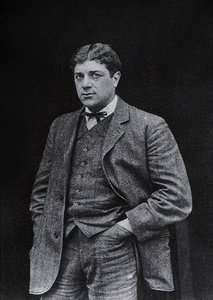
1882 - 1963 , Frankreich

Discover the power of Neo-Abstract art. Explore how bold geometric forms and high-impact visual energy are redefining modern design. Learn to curate sophisticated, high-energy spaces with the latest trends in contemporary abstraction and structural color.

Discover the high-impact world of Geometric Abstraction. From Cubist roots to modern urban trends, explore how bold shapes and colors redefine contemporary design. Elevate your space with expert art insights and custom-made abstract masterpieces.


Bleiben Sie über die neuesten Kunstnachrichten, exklusive Angebote und Dekorationsideen auf dem Laufenden.
Erzählen Sie uns von Ihrem Projekt, und unsere Kunstexperten erstellen für Sie drei personalisierte Kunstvorschläge.
Wir kuratieren 3 Optionen exklusiv für Sie – kostenlos!


 Vorschau anzeigen
 Versenden
 Teilen
 Details anzeigen

 Herunterladen
 Ähnliche Objekte
 Röntgenaufnahme
 Diashow

 Weiterlesen







 Die Glasoption ist nur für Größen unter 110 cm verfügbar.