Giclée- oder Leinwanddruck in Museumsqualität mit schneller Produktion und flexiblen Veredelungsoptionen. ( Handgemalte Reproduktion bestellen Bild kaufen)





























Wählen Sie aus unseren vordefinierten Formaten, die den ursprünglichen Proportionen des Kunstwerks entsprechen.

Sie können Ihre eigenen Maße eingeben, um ein bestimmtes Format oder einen speziellen Platz einzupassen. Wenn das von Ihnen gewählte Format nicht den Proportionen des Originalbildes entspricht, werden wir das Kunstwerk entweder beschneiden oder das Bild mit einem gespiegelten oder einfarbigen Rand erweitern. Ein digitaler Entwurf wird Ihnen zur Genehmigung zugesandt, bevor die Produktion beginnt.
Bitte beachten Sie, dass die Vorschau auf dem Bildschirm nicht den tatsächlichen Zuschnitt oder die Erweiterung widerspiegelt. Nur der Entwurf zeigt die endgültige Komposition präzise an.
Obwohl Sondermaße verfügbar sind, empfehlen wir die Auswahl eines Maßes aus der vordefinierten Liste, um die ursprünglichen Proportionen zu bewahren.
Weltweiter Versand () innerhalb von 2 Wochen statt der üblichen 4/5 Wochen. (13 August)


Frühling
Format der Reproduktion
Gustav Klimt’s “Frühling,” painted in 1884, is not merely a depiction of a woman reclining amongst flowers; it's an immersion into a world of shimmering sensuality and profound introspection. This work, created during a pivotal period in Klimt’s artistic development, reveals the nascent seeds of his signature style – a potent blend of Art Nouveau’s decorative flourishes with emerging Symbolist concerns. The painting immediately draws the eye to its central figure, a woman enveloped in a flowing gown that seems to both protect and reveal her. Her pose is one of languid repose, an invitation to contemplate the beauty surrounding her, yet there's also a subtle melancholy woven into her expression – a quiet awareness of the fleeting nature of pleasure and the passage of time.
Klimt’s technique in “Frühling” is immediately striking. He employs a layered approach, building up the image with delicate glazes and meticulous attention to detail. The flowers themselves are rendered with an almost hallucinatory vibrancy – each petal seems to radiate its own light. Crucially, Klimt utilizes gold leaf extensively, a technique inherited from his father’s profession as a gold engraver. This isn't simply decorative; it imbues the painting with a sense of opulence and spiritual significance, echoing Byzantine mosaics and hinting at an underlying desire for transcendence. The background, composed of stylized trees, is painted in muted tones, providing a grounding contrast to the luminous foreground. Notice how Klimt masterfully uses light and shadow to create depth and atmosphere – the dappled sunlight filtering through the branches adds to the painting’s dreamlike quality.
“Frühling” is rich in symbolic meaning, reflecting Klimt's engagement with the Symbolist movement. The reclining figure can be interpreted as representing feminine beauty and vulnerability, but also as a symbol of the soul seeking solace and connection with nature. Flowers, universally associated with fertility, love, and rebirth, are scattered throughout the composition, reinforcing this theme. The necklace adorning the woman’s neck is particularly noteworthy – its intricate design suggests an exploration of identity and adornment. Klimt was fascinated by the interplay between the material and the spiritual, and this painting exemplifies his desire to elevate everyday objects into symbols of deeper meaning. The overall mood evokes a sense of longing—a yearning for beauty, harmony, and perhaps even immortality.
1884 marks a crucial year in Klimt’s artistic trajectory. Following his early training at the Vienna Kunstgewerbeschule, he began to experiment with bolder colors and more expressive forms. “Frühling” demonstrates this shift away from academic realism towards a highly personal and evocative style. It's important to consider the broader cultural context of the time – Vienna was experiencing a period of rapid social and artistic change, fueled by industrialization and a growing interest in psychology and mysticism. Klimt’s work reflects these currents, anticipating the Secession movement that would soon revolutionize Viennese art. This painting serves as a fascinating glimpse into the formative years of one of Austria's most celebrated artists, showcasing his early explorations of color, symbolism, and the human condition.
BuyPopArt offers exquisite, hand-painted reproductions of Gustav Klimt’s “Frühling,” allowing you to bring this timeless masterpiece into your home or office. Each reproduction is meticulously crafted by skilled artisans, ensuring that every detail – from the shimmering gold leaf to the delicate floral arrangements – faithfully captures the original's beauty and emotional power.
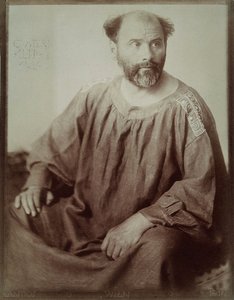
1862 - 1918 , Österreich
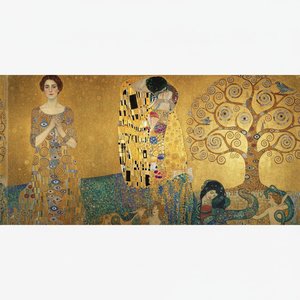
Entdecken Sie die 25 ikonischsten Gemälde von Gustav Klimt! Tauchen Sie ein in die Welt der Wiener Secession, des Jugendstils und der goldenen Phase. Hochwertige Reproduktionen & Inspiration für Ihr Zuhause auf BuyPopArt.com.

Entdecken Sie die 10 prägendsten Art Nouveau Meisterwerke! Von Mucha bis Klimt – erfahren Sie die Geschichten hinter ikonischen Gemälde & dekorativer Kunst. Hochwertige Kunstdrucke online kaufen auf

Entdecken Sie Gustav Klimts faszinierende Welt! Erfahren Sie mehr über die Wiener Secession, seine sinnlichen Porträts und die 'Goldene Phase'. Expertenwissen & hochwertige Reproduktionen auf BuyPopArt.

Entdecken Sie die Top 10 Gemälde, die von Blattgold verzaubern! Von Klimt bis zur Renaissance – erfahren Sie die Geschichten hinter ikonischen Kunstwerke & lassen Sie sich für Ihre Wohnraumgestaltung inspirieren. Hochwertige Reproduktionen auf BuyPopArt.com.

Explore the rich history of gold in art! Discover symbolism, techniques & cultural significance from ancient civilizations to Klimt's masterpieces. Expert insights for collectors at BuyPopArt.


Bleiben Sie über die neuesten Kunstnachrichten, exklusive Angebote und Dekorationsideen auf dem Laufenden.
Erzählen Sie uns von Ihrem Projekt, und unsere Kunstexperten erstellen für Sie drei personalisierte Kunstvorschläge.
Wir kuratieren 3 Optionen exklusiv für Sie – kostenlos!


 Vorschau anzeigen
 Versenden
 Teilen
 Details anzeigen

 Herunterladen
 Ähnliche Objekte
 Röntgenaufnahme
 Diashow


 Weiterlesen







 Die Glasoption ist nur für Größen unter 110 cm verfügbar.