Acryl auf LeinwandWandkunstExpressionism
 1913
1913 107.0 x 120.0 cm
Giclée- oder Leinwanddruck in Museumsqualität mit schneller Produktion und flexiblen Veredelungsoptionen. ( Handgemalte Reproduktion bestellen Bild kaufen)





























Wählen Sie aus unseren vordefinierten Formaten, die den ursprünglichen Proportionen des Kunstwerks entsprechen.

Sie können Ihre eigenen Maße eingeben, um ein bestimmtes Format oder einen speziellen Platz einzupassen. Wenn das von Ihnen gewählte Format nicht den Proportionen des Originalbildes entspricht, werden wir das Kunstwerk entweder beschneiden oder das Bild mit einem gespiegelten oder einfarbigen Rand erweitern. Ein digitaler Entwurf wird Ihnen zur Genehmigung zugesandt, bevor die Produktion beginnt.
Bitte beachten Sie, dass die Vorschau auf dem Bildschirm nicht den tatsächlichen Zuschnitt oder die Erweiterung widerspiegelt. Nur der Entwurf zeigt die endgültige Komposition präzise an.
Obwohl Sondermaße verfügbar sind, empfehlen wir die Auswahl eines Maßes aus der vordefinierten Liste, um die ursprünglichen Proportionen zu bewahren.
Weltweiter Versand () innerhalb von 2 Wochen statt der üblichen 4/5 Wochen. (13 August)


Burning House
Format der Reproduktion
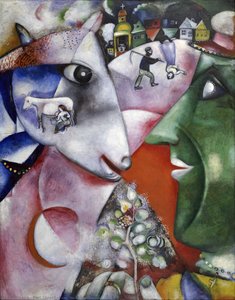
Marc Chagall’s “Burning House,” painted in 1913, is far more than a depiction of destruction; it’s a vibrant explosion of emotion and memory rendered with the artist’s signature expressive style. This captivating piece immediately draws the viewer into a scene brimming with symbolic weight – a house consumed by flames, a man riding a bicycle, cows grazing peacefully nearby, all bathed in Chagall's characteristic use of bold color and distorted forms.
The painting’s genesis lies within Chagall’s deeply personal connection to his childhood village of Liozna, located in Belarus. He often returned to this place in his memory, transforming it into a fantastical realm populated by recurring motifs: flying figures, animals imbued with symbolic meaning, and landscapes rendered with an almost dreamlike quality. “Burning House” is believed to be rooted in the destruction of his childhood home during World War I – a traumatic event that profoundly shaped his artistic vision and fueled his desire to capture fleeting moments of beauty and memory before they vanished forever.
Chagall’s technique in “Burning House” is quintessential Expressionism. He employs loose, gestural brushstrokes, prioritizing emotional impact over precise representation. The house itself isn't rendered with realistic detail; instead, it’s a swirling mass of color and form, conveying the chaotic energy of the fire. The use of intense reds, oranges, and yellows dominates the composition, amplifying the sense of urgency and danger. This deliberate distortion of reality is not an accident but a conscious choice to convey inner feelings rather than simply depicting an external scene.
Notice how the bicycle, a symbol of freedom and movement, cuts through the chaos, while the cows – often associated with peace and tranquility – stand as silent witnesses to the unfolding drama. These seemingly disparate elements contribute to the painting’s layered symbolism, inviting multiple interpretations.
The ladder extending from the right side of the canvas is a particularly poignant detail. It suggests an attempt at rescue, a desperate plea against the inevitable destruction. However, it also hints at futility – a recognition that some things are beyond our control. The presence of the two cows adds another layer to the narrative. They could represent innocence lost, or perhaps a connection to rural life and simpler times, contrasting sharply with the urban anxieties of the early 20th century.
Chagall’s masterful use of light and shadow further enhances the painting's dramatic effect, emphasizing the flickering flames and casting long, distorted shadows that heighten the sense of unease.
"Burning House" is a powerful example of Chagall’s ability to transform personal experience into universal themes – loss, memory, and the struggle against chaos. Painted during a period of immense social and political upheaval, it reflects the anxieties and uncertainties of the era while simultaneously offering a glimpse into the artist's deeply imaginative world. This reproduction captures not just an image but the very soul of Chagall’s vision, allowing you to experience the raw emotion and captivating beauty of this iconic work.
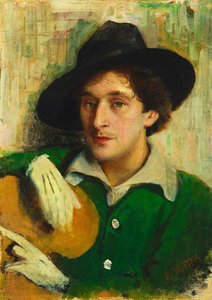
1887 - 1985 , Belarus

Entdecken Sie die Top 25 Kunstwerke von Marc Chagall! Tauchen Sie ein in seine traumhaften Welten, jüdische Motive & expressiven Farben. Hochwertige Kunstreproduktionen auf BuyPopArt.com – für Ihr Zuhause.

Explore the rich symbolism of the red dress in art history! From ancient power displays to iconic portraits like Cézanne’s 'Madame Cezanne', discover the cultural and artistic significance behind this captivating color. Expert analysis & insights.
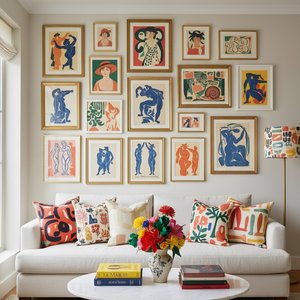
Entdecken Sie die 25 Meisterwerke von Henri Matisse! Tauchen Sie ein in die Welt des Fauvismus, der leuchtenden Farben und ikonischen Formen. Kunstreproduktionen & Inspiration für Ihr Zuhause – exklusiv auf BuyPopArt.com.

Entdecken Sie die 25 Meisterwerke von Paul Klee! Tauchen Sie ein in seine abstrakte Welt, voller Expressionismus und Bauhaus-Einflüsse. Hochwertige Kunst für Ihr Zuhause – jetzt bei BuyPopArt entdecken!
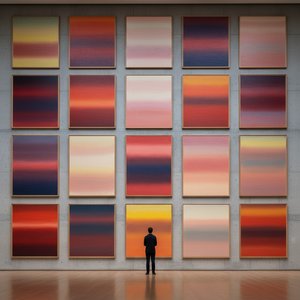
Entdecken Sie die 25 Meisterwerke von Mark Rothko! Tauchen Sie ein in die Welt der abstrakten Kunst, des Expressionismus und der Farbfeldmalerei. Hochwertige Kunstdrucke & Reproduktionen auf BuyPopArt.com – für Ihre Wohnräume.


Bleiben Sie über die neuesten Kunstnachrichten, exklusive Angebote und Dekorationsideen auf dem Laufenden.
Erzählen Sie uns von Ihrem Projekt, und unsere Kunstexperten erstellen für Sie drei personalisierte Kunstvorschläge.
Wir kuratieren 3 Optionen exklusiv für Sie – kostenlos!


 Vorschau anzeigen
 Versenden
 Teilen
 Details anzeigen

 Herunterladen
 Ähnliche Objekte
 Röntgenaufnahme
 Diashow
 Weiterlesen







 Die Glasoption ist nur für Größen unter 110 cm verfügbar.