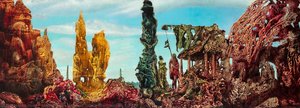
Handgemaltes Ölgemälde auf Leinwand in Ihrer Wunschgröße und mit Rahmen, auf Bestellung von unseren Künstlern angefertigt. ( Druck bestellen Bild kaufen)





























Wählen Sie aus unseren vordefinierten Formaten, die den ursprünglichen Proportionen des Kunstwerks entsprechen.

Sie können Ihre eigenen Maße eingeben, um einen bestimmten Rahmen oder Platz auszufüllen. Wenn die gewählte Größe nicht den Proportionen des Originalbildes entspricht, werden wir das Kunstwerk entweder beschneiden oder das Gemälde durch zusätzliche, handgemalte Elemente erweitern. Ein digitales Mockup wird Ihnen zur Genehmigung zugesandt, bevor die Produktion beginnt.
Bitte beachten Sie, dass die Bildschirmvorschau nicht die tatsächliche Beschneidung oder Erweiterung widerspiegelt. Nur das Mockup zeigt die endgültige Komposition exakt an.
Obwohl Sondermaße verfügbar sind, empfehlen wir, eine Größe aus der vordefinierten Liste zu wählen, um die ursprünglichen Proportionen beizubehalten.
Weltweiter Versand () in nur 3 bis 4 Wochen statt der üblichen 5 Wochen. (16 August). Keine Kompromisse bei der Qualität.


Convolvulus! Convolvulus!
Format der Reproduktion
Max Ernst’s “Convolvulus! Convolvulus!” isn't merely a painting; it’s an unsettling invitation into the subconscious, a crystallized moment of existential questioning rendered in vibrant surrealist hues. Created in 1936 during the height of Ernst’s artistic fervor—a period marked by collaboration with Luis Buñuel on “Un chien Andalou”—the artwork transcends simple visual representation, delving into themes of anxiety, metamorphosis, and the confrontation between humanity and nature.
The cactus itself serves as a potent symbol—representing resilience in adversity, but also prickly defensiveness and isolation. Its grotesque form embodies the anxieties surrounding societal pressures and the struggle to maintain individuality amidst conformity. Ernst’s deliberate distortion of botanical forms underscores his belief that art should challenge conventional perceptions and provoke contemplation about the human condition.
"Convolvulus! Convolvulus!" resonates with viewers on an emotional level—eliciting feelings of apprehension, fascination, and perhaps even recognition of the primal fears lurking beneath the surface of consciousness. Ernst’s pioneering use of Automatism established him as a cornerstone of Surrealist art, influencing generations of artists who sought to explore the uncharted territories of the imagination.
More than just aesthetically striking, the painting compels us to confront uncomfortable truths about ourselves and our relationship with the natural world—a challenge that continues to inspire debate and interpretation decades after its creation. It stands as a testament to Ernst’s unwavering commitment to artistic innovation and his profound understanding of the human psyche.
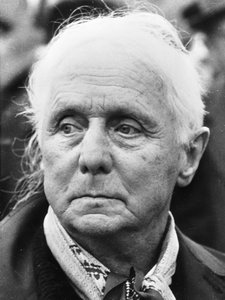
1891 - 1976 , Deutschland

Embark on a sophisticated journey through the dreamlike world of Surrealism. Discover the profound symbolism of masters like Dalí and learn how to curate evocative, subconscious-inspired masterpieces for your private collection with expert art historical insight.


Bleiben Sie über die neuesten Kunstnachrichten, exklusive Angebote und Dekorationsideen auf dem Laufenden.
Erzählen Sie uns von Ihrem Projekt, und unsere Kunstexperten erstellen für Sie drei personalisierte Kunstvorschläge.
Wir kuratieren 3 Optionen exklusiv für Sie – kostenlos!


 Vorschau anzeigen
 Versenden
 Teilen
 Details anzeigen

 Herunterladen
 Ähnliche Objekte
 Röntgenaufnahme
 Diashow
 Weiterlesen







 Die Glasoption ist nur für Größen unter 110 cm verfügbar.