Öl auf LeinwandWandkunstSurrealism
 1941Spätmittelalter
 112.0 x 146.0 cm
Giclée- oder Leinwanddruck in Museumsqualität mit schneller Produktion und flexiblen Veredelungsoptionen. ( Handgemalte Reproduktion bestellen Bild kaufen)





























Wählen Sie aus unseren vordefinierten Formaten, die den ursprünglichen Proportionen des Kunstwerks entsprechen.

Sie können Ihre eigenen Maße eingeben, um ein bestimmtes Format oder einen speziellen Platz einzupassen. Wenn das von Ihnen gewählte Format nicht den Proportionen des Originalbildes entspricht, werden wir das Kunstwerk entweder beschneiden oder das Bild mit einem gespiegelten oder einfarbigen Rand erweitern. Ein digitaler Entwurf wird Ihnen zur Genehmigung zugesandt, bevor die Produktion beginnt.
Bitte beachten Sie, dass die Vorschau auf dem Bildschirm nicht den tatsächlichen Zuschnitt oder die Erweiterung widerspiegelt. Nur der Entwurf zeigt die endgültige Komposition präzise an.
Obwohl Sondermaße verfügbar sind, empfehlen wir die Auswahl eines Maßes aus der vordefinierten Liste, um die ursprünglichen Proportionen zu bewahren.
Weltweiter Versand () innerhalb von 2 Wochen statt der üblichen 4/5 Wochen. (15 August)


Tag und Nacht
Format der Reproduktion
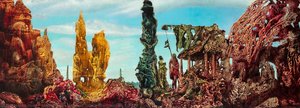
Max Ernst's "Day and Night," painted in 1941, isn’t merely a depiction of opposing forces; it’s an immersive exploration of the subconscious mind, a testament to the artist’s pioneering role within the Dada and Surrealist movements. This oil-on-canvas work, measuring 112 x 146 cm, transcends simple representation, inviting viewers into a dreamscape where familiar elements are fractured, juxtaposed, and imbued with profound symbolic weight. Ernst masterfully employs his signature surrealist techniques – a deliberate blurring of boundaries between reality and illusion – to create an experience that is both unsettling and deeply captivating.
The painting’s foundation lies in the artist's fascination with automatism, a technique he frequently utilized to bypass conscious control and tap into the realm of pure intuition. This is evident in the seemingly random arrangement of framed images scattered across the canvas – miniature paintings embedded within larger compositions, each offering glimpses of fragmented scenes, abstract textures, and enigmatic forms. These aren’t simply decorative elements; they function as portals, inviting the viewer to become an active participant in constructing meaning. The inclusion of sculptures further amplifies this sense of layered reality, adding a tactile dimension to the visual narrative.
Ernst’s approach is deeply rooted in the principles of Surrealism, a movement that sought to liberate art from the constraints of rational thought. “Day and Night” embodies this ethos through its deliberate distortion of perspective and its embrace of ambiguity. The overlapping frames create a sense of spatial disorientation, mirroring the fragmented nature of memory and the fluidity of dreams. The predominantly dark background serves as a canvas for these illuminated fragments, intensifying their impact and drawing attention to their symbolic content.
Technically, Ernst’s method involved a complex layering process. He likely began with a preliminary sketch or collage, then applied multiple layers of oil paint, often incorporating techniques like decalcomania – a process where paint is transferred from one surface to another under pressure – to achieve the desired textures and effects. This deliberate manipulation of materials contributes to the painting’s tactile quality and reinforces its sense of spontaneity. The subtle use of color—primarily blues, browns, and ochres—further enhances the dreamlike atmosphere, evoking a feeling of twilight or the transition between day and night.
To fully appreciate “Day and Night,” it’s crucial to understand its historical context. Created during the tumultuous years following World War I, the painting reflects the widespread disillusionment and anxiety that permeated European society. The Dada movement, which preceded Surrealism, had already challenged conventional notions of art and reality through its embrace of absurdity and anti-establishment sentiment. Ernst's work builds upon this legacy, pushing the boundaries of artistic expression even further.
The rise of Surrealism coincided with a growing interest in psychology, particularly the theories of Sigmund Freud. Artists like Ernst were deeply influenced by Freud’s exploration of the unconscious mind and sought to translate its hidden depths into their art. “Day and Night” can be interpreted as a visual representation of this psychological landscape – a journey through the labyrinthine corridors of memory, desire, and fear.
BuyPopArt offers meticulously crafted hand-painted reproductions of Max Ernst’s “Day and Night,” allowing you to bring this iconic artwork into your home or office. Our skilled artists replicate the painting's intricate details, textures, and atmospheric depth with exceptional precision. Whether you choose a museum-quality canvas print or a framed oil reproduction, our reproductions capture the essence of Ernst’s vision while preserving the integrity of the original masterpiece. “Day and Night” is more than just a painting; it’s an invitation to contemplate the mysteries of the human psyche – a timeless work that continues to resonate with viewers today.
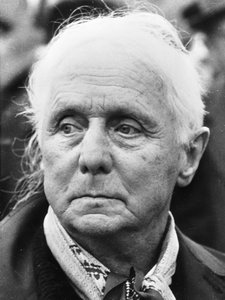
1891 - 1976 , Deutschland

Master the art of impact with our expert guide to oil on panel. Discover how impasto textures and heavy-body pigments create 3D depth and bold visual energy for modern interiors. Elevate your space with high-impact, hand-painted masterpieces designed for maximum aesthetic punch.


Bleiben Sie über die neuesten Kunstnachrichten, exklusive Angebote und Dekorationsideen auf dem Laufenden.
Erzählen Sie uns von Ihrem Projekt, und unsere Kunstexperten erstellen für Sie drei personalisierte Kunstvorschläge.
Wir kuratieren 3 Optionen exklusiv für Sie – kostenlos!


 Vorschau anzeigen
 Versenden
 Teilen
 Details anzeigen

 Herunterladen
 Ähnliche Objekte
 Röntgenaufnahme
 Diashow
 Weiterlesen







 Die Glasoption ist nur für Größen unter 110 cm verfügbar.