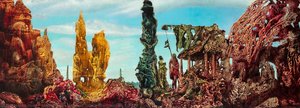
Giclée- oder Leinwanddruck in Museumsqualität mit schneller Produktion und flexiblen Veredelungsoptionen. ( Handgemalte Reproduktion bestellen Bild kaufen)





























Wählen Sie aus unseren vordefinierten Formaten, die den ursprünglichen Proportionen des Kunstwerks entsprechen.

Sie können Ihre eigenen Maße eingeben, um ein bestimmtes Format oder einen speziellen Platz einzupassen. Wenn das von Ihnen gewählte Format nicht den Proportionen des Originalbildes entspricht, werden wir das Kunstwerk entweder beschneiden oder das Bild mit einem gespiegelten oder einfarbigen Rand erweitern. Ein digitaler Entwurf wird Ihnen zur Genehmigung zugesandt, bevor die Produktion beginnt.
Bitte beachten Sie, dass die Vorschau auf dem Bildschirm nicht den tatsächlichen Zuschnitt oder die Erweiterung widerspiegelt. Nur der Entwurf zeigt die endgültige Komposition präzise an.
Obwohl Sondermaße verfügbar sind, empfehlen wir die Auswahl eines Maßes aus der vordefinierten Liste, um die ursprünglichen Proportionen zu bewahren.
Weltweiter Versand () innerhalb von 2 Wochen statt der üblichen 4/5 Wochen. (15 August)


untitled (3252)
Format der Reproduktion
Max Ernst’s “untitled (3252)” isn't merely a painting; it’s an immersion into the fractured psyche, a visual echo of anxieties and intellectual pursuits that defined the early 20th century. The image – a figure enveloped in a swirling blue void, surrounded by what appear to be fragmented faces – immediately commands attention with its unsettling beauty. It’s a work born from a profound engagement with the burgeoning field of psychology, particularly Freud's theories on the unconscious, and a desire to represent not just outward appearance but the complex, often contradictory, inner landscape of the human mind.

Ernst was a key figure in the development of Surrealism, a movement that emerged from the ashes of World War I as a direct reaction against the perceived failures of rational thought. Influenced heavily by Dada – a deliberately anti-art movement characterized by chaos and absurdity – Ernst sought to liberate art from the constraints of representation and logic. “untitled (3252)” embodies this spirit perfectly, employing techniques like automatism – spontaneous drawing or painting without conscious control – to tap into the subconscious and reveal hidden truths. The blue background isn’t simply a color choice; it represents the vast, unknowable depths of the unconscious mind, a space where reason dissolves and dreams take hold.
The painting's technique is characterized by layered applications of oil paint, creating a textured surface that adds to its unsettling quality. Ernst’s meticulous brushwork, combined with the deliberate distortion of form, generates a sense of unease. The central figure, seemingly constructed from multiple faces, suggests a disintegration of identity – a common theme in Surrealist art. The arrangement is deliberately chaotic yet carefully balanced; it's not random but meticulously crafted to evoke a specific emotional response. Note the subtle use of perspective, creating an illusion of depth within the confined space, further enhancing the feeling of disorientation.
The multiple faces surrounding the central figure are open to interpretation, but they likely represent the various facets of the self – memories, desires, fears, and suppressed emotions. The bird, a recurring motif in Ernst's work, often symbolizes freedom or escape, yet here it seems trapped within the blue void, suggesting a struggle for liberation. “untitled (3252)” can be seen as a deeply personal exploration of Ernst’s own anxieties and intellectual struggles, reflecting his fascination with psychology and his desire to understand the hidden forces that shape human behavior. It's a testament to the power of art to confront uncomfortable truths and challenge conventional perceptions.
Max Ernst’s “untitled (3252)” stands as a pivotal work in the history of 20th-century art, demonstrating the profound impact of Surrealism on artistic expression. Its exploration of the subconscious, its innovative techniques, and its haunting imagery continue to resonate with viewers today. Reproductions like this offer a unique opportunity to experience the power of Ernst’s vision – a reminder that true beauty can be found in the unsettling, the fragmented, and the profoundly human.
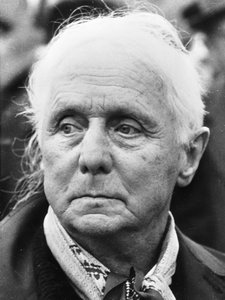
1891 - 1976 , Deutschland
Entdecken Sie die 25 bedeutendsten Kunstwerke von Max Ernst! Tauchen Sie ein in die Welt des Surrealismus, Dada und abstrakter Malerei. Hochwertige Kunstreproduktionen & Inspiration für Ihr Zuhause bei BuyPopArt.com.
Entdecken Sie die 25 ikonischsten Gemälde von René Magritte! Tauchen Sie ein in die surreale Welt des belgischen Künstlers – von 'Der verlorene Jockey' bis 'Golconda'. Hochwertige Reproduktionen & Kunst für Ihr Zuhause auf BuyPopArt.com.

Entdecken Sie die Top 25 Kunstwerke von Marc Chagall! Tauchen Sie ein in seine traumhaften Welten, jüdische Motive & expressiven Farben. Hochwertige Kunstreproduktionen auf BuyPopArt.com – für Ihr Zuhause.

Explore the captivating world of Pop Surrealism. Discover how vibrant Pop Art meets dreamlike subconscious imagery through the works of masters like Jeff Soto and Ryan Heshka. An expert guide for discerning collectors seeking to understand this profound contemporary art movement.

Embark on a journey through the subconscious with our expert guide to Surrealism. Discover the profound symbolism of masters like Dalí and Ernst, exploring how dreamlike imagery reshaped art history and continues to inspire collectors and enthusiasts worldwide.


Bleiben Sie über die neuesten Kunstnachrichten, exklusive Angebote und Dekorationsideen auf dem Laufenden.
Erzählen Sie uns von Ihrem Projekt, und unsere Kunstexperten erstellen für Sie drei personalisierte Kunstvorschläge.
Wir kuratieren 3 Optionen exklusiv für Sie – kostenlos!


 Vorschau anzeigen
 Versenden
 Teilen
 Details anzeigen

 Herunterladen
 Ähnliche Objekte
 Röntgenaufnahme
 Diashow

 Weiterlesen







 Die Glasoption ist nur für Größen unter 110 cm verfügbar.