Handgemaltes Ölgemälde auf Leinwand in Ihrer Wunschgröße und mit Rahmen, auf Bestellung von unseren Künstlern angefertigt. ( Druck bestellen Bild kaufen)





























Wählen Sie aus unseren vordefinierten Formaten, die den ursprünglichen Proportionen des Kunstwerks entsprechen.

Sie können Ihre eigenen Maße eingeben, um einen bestimmten Rahmen oder Platz auszufüllen. Wenn die gewählte Größe nicht den Proportionen des Originalbildes entspricht, werden wir das Kunstwerk entweder beschneiden oder das Gemälde durch zusätzliche, handgemalte Elemente erweitern. Ein digitales Mockup wird Ihnen zur Genehmigung zugesandt, bevor die Produktion beginnt.
Bitte beachten Sie, dass die Bildschirmvorschau nicht die tatsächliche Beschneidung oder Erweiterung widerspiegelt. Nur das Mockup zeigt die endgültige Komposition exakt an.
Obwohl Sondermaße verfügbar sind, empfehlen wir, eine Größe aus der vordefinierten Liste zu wählen, um die ursprünglichen Proportionen beizubehalten.
Weltweiter Versand () in nur 3 bis 4 Wochen statt der üblichen 5 Wochen. (14 August). Keine Kompromisse bei der Qualität.


untitled (607)
Format der Reproduktion
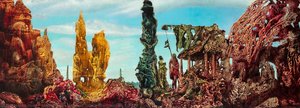
Max Ernst’s “Untitled (607),” painted circa 1938, stands as a cornerstone of Surrealism—a movement born from the anxieties and intellectual ferment of post-World War I Europe. More than just an image; it's a carefully constructed puzzle designed to provoke contemplation about the subconscious mind and challenge conventional perceptions of reality.
The painting depicts a woman devoid of head, positioned centrally amidst a landscape populated by enigmatic figures—some bearing faces, others obscured—and dominated by a boat-like object drifting on water. Ernst’s signature style is immediately recognizable: meticulous detail juxtaposed with dreamlike distortions. He employs a technique rooted in automatism – a method championed by André Breton and his Surrealist circle – where artists attempt to bypass conscious thought and allow the subconscious to dictate their creative process.
Automatism wasn't merely about chance; it was underpinned by Freudian psychoanalysis, which posits that repressed desires and anxieties reside beneath the surface of consciousness. Ernst’s method aimed to liberate artistic expression from rational constraints, tapping into primal instincts and fantasies. The resulting imagery is often unsettling yet undeniably captivating—a deliberate disruption of visual harmony intended to unsettle the viewer.
Symbolism permeates every element of “Untitled (607).” The headless woman represents a fragmented psyche—a loss of identity and control—reflecting the psychological trauma experienced by many artists during this period. The boat symbolizes escape from societal pressures, but also suggests vulnerability and precariousness. Ernst’s masterful use of color – muted tones punctuated by splashes of vibrant hues – contributes to the painting's emotional resonance.
Beyond its formal qualities, “Untitled (607)” speaks to broader themes of existential questioning and artistic rebellion. It embodies Surrealism’s conviction that art should confront uncomfortable truths and explore the hidden realms of human experience. The painting continues to inspire artists and collectors alike, serving as a testament to Ernst's enduring legacy as one of the most influential figures in modern art.
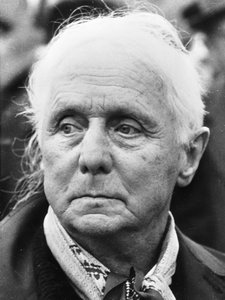
1891 - 1976 , Deutschland

Dive into the visceral world of Surrealist Expressionism. Explore how dream logic meets raw emotion through a visual journey of iconic techniques, post-war history, and bold aesthetics to transform your modern space with high-impact, unforgettable art.

Embark on a sophisticated journey through the dreamlike world of Surrealism. Discover the profound symbolism of masters like Dalí and learn how to curate evocative, subconscious-inspired masterpieces for your private collection with expert art historical insight.


Bleiben Sie über die neuesten Kunstnachrichten, exklusive Angebote und Dekorationsideen auf dem Laufenden.
Erzählen Sie uns von Ihrem Projekt, und unsere Kunstexperten erstellen für Sie drei personalisierte Kunstvorschläge.
Wir kuratieren 3 Optionen exklusiv für Sie – kostenlos!


 Vorschau anzeigen
 Versenden
 Teilen
 Details anzeigen

 Herunterladen
 Ähnliche Objekte
 Röntgenaufnahme
 Diashow
 Weiterlesen







 Die Glasoption ist nur für Größen unter 110 cm verfügbar.