


 Öl auf LeinwandWandkunstBaroque
 1628Renaissance
 74.0 x 100.0 cm
 Louvre
Giclée- oder Leinwanddruck in Museumsqualität mit schneller Produktion und flexiblen Veredelungsoptionen. ( Zur handgemalten Reproduktion wechseln Zum Bild wechseln)





























Wählen Sie aus unseren vordefinierten Formaten, die den ursprünglichen Proportionen des Kunstwerks entsprechen.

Sie können Ihre eigenen Maße eingeben, um ein bestimmtes Format oder einen speziellen Platz einzupassen. Wenn das von Ihnen gewählte Format nicht den Proportionen des Originalbildes entspricht, werden wir das Kunstwerk entweder beschneiden oder das Bild mit einem gespiegelten oder einfarbigen Rand erweitern. Ein digitaler Entwurf wird Ihnen zur Genehmigung zugesandt, bevor die Produktion beginnt.
Bitte beachten Sie, dass die Vorschau auf dem Bildschirm nicht den tatsächlichen Zuschnitt oder die Erweiterung widerspiegelt. Nur der Entwurf zeigt die endgültige Komposition präzise an.
Obwohl Sondermaße verfügbar sind, empfehlen wir die Auswahl eines Maßes aus der vordefinierten Liste, um die ursprünglichen Proportionen zu bewahren.
Weltweiter Versand () innerhalb von 2 Wochen statt der üblichen 4/5 Wochen. (2 August)


Echo und Narcissus
Format der Reproduktion
Nicolas Poussin’s *Echo and Narcissus*, painted in 1627-1628, stands as a cornerstone of Classical French Baroque art—a testament to his unwavering devotion to idealized beauty and profound understanding of mythological narratives. More than just a depiction of a famous tale from Greek mythology, it's an exploration of themes that resonate across centuries: unattainable desire, the devastating consequences of rejection, and the poignant acceptance of mortality.
The painting’s genesis lies in Ovid’s *Metamorphoses*, where Hera, enraged by Zeus’s infidelity with nymphs, curses Echo—rendering her incapable of uttering anything but the final words spoken to her. Narcissus, captivated by his own reflection and dismissing Echo's affections, becomes a victim of divine retribution.
Poussin meticulously crafted *Echo and Narcissus* using oil on canvas—a technique favored for its ability to capture subtle tonal variations and create an illusion of depth. Measuring 74 x 100 cm, it resides in the Musée du Louvre in Paris, a location that underscores its enduring importance within the canon of Western art.
The composition is strikingly balanced, employing linear perspective to establish a sense of spatial realism—a hallmark of Poussin’s style. Narcissus lies supine on the ground, bathed in soft light emanating from above, while Echo leans against a rocky outcrop on the left side of the canvas. A young boy stands beside Narcissus, holding a flower—likely referencing Narcissus's eventual transformation into this emblematic bloom.
Poussin’s brushwork is characterized by delicate hatching and blending—methods that contribute to the painting’s ethereal atmosphere. He skillfully employs chiaroscuro—the dramatic interplay of light and shadow—to sculpt the figures and heighten their emotional impact. The color palette leans towards muted tones—primarily greens, browns, and reds—creating a harmonious blend that evokes the tranquility of Arcadia—the pastoral realm associated with nymphs and shepherds.
The artist’s meticulous attention to detail extends beyond mere representation; he imbues the scene with symbolic meaning. Echo's posture conveys sorrow and longing—a poignant reminder of unfulfilled desire. Narcissus’ gaze is fixed on his reflection, symbolizing vanity and self-absorption—a fatal flaw that leads to his demise.
Nicolas Poussin emerged as a leading figure in the French Baroque movement during Louis XIII’s reign. Influenced by Raphael and Michelangelo Buonarroti, he championed Classical ideals of beauty and harmony—rejecting the exuberant ornamentation characteristic of Mannerism. His paintings served as inspiration for subsequent generations of artists, including Jacques-Louis David and Jean-Auguste-Dominique Ingres.
Beyond its artistic merits, *Echo and Narcissus* offers a timeless meditation on human emotions—love, loss, and the inescapable passage of time. It continues to captivate viewers with its serene beauty and profound psychological insight—a masterpiece that embodies the enduring power of myth and art.
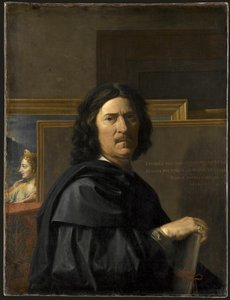
1594 - 1665 , Frankreich

Entdecken Sie Nicolas Poussins Meisterwerke und seinen Einfluss auf den französischen Klassizismus. Analyse von Allegorie, Komposition und der Bedeutung seiner Kunst im 17. Jahrhundert.

Explore the captivating history of mythological narratives in Western art! From ancient Greece to modern masterpieces, discover iconic artworks & symbolism. Expert analysis and high-quality reproductions at BuyPopArt.

Embark on a sophisticated journey through the eternal allure of mythological art. Discover how master painters breathe life into ancient legends, from Greek deities to Baroque masterpieces, and learn to curate these timeless narratives within your own exquisite art collection.

Explore the timeless beauty & profound themes of Classical art! Discover Greek & Roman masterpieces, Neoclassical revivals, and the enduring influence on artistic movements. Expert insights & high-quality reproductions at BuyPopArt.

Entdecken Sie die faszinierende Welt von Nicolaes Berchem und das Goldene Zeitalter der niederländischen Landschaftsmalerei. Expertenanalyse, Hintergrundinformationen & künstlerische Innovationen.


Bleiben Sie über die neuesten Kunstnachrichten, exklusive Angebote und Dekorationsideen auf dem Laufenden.
Erzählen Sie uns von Ihrem Projekt, und unsere Kunstexperten erstellen für Sie drei personalisierte Kunstvorschläge.
Wir kuratieren 3 Optionen exklusiv für Sie – kostenlos!


 In echtem Maßstab anzeigen
 Versenden
 Teilen
 Details anzeigen

 Herunterladen
 Ähnliche Objekte
 Röntgenaufnahme
 Diashow starten
 Mehr anzeigen







 Die Glasoption ist nur in Größen unter 110 cm verfügbar.


