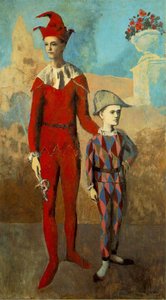
Giclée- oder Leinwanddruck in Museumsqualität mit schneller Produktion und flexiblen Veredelungsoptionen. ( Zur handgemalten Reproduktion wechseln Zum Bild wechseln)





























Wählen Sie aus unseren vordefinierten Formaten, die den ursprünglichen Proportionen des Kunstwerks entsprechen.

Sie können Ihre eigenen Maße eingeben, um ein bestimmtes Format oder einen speziellen Platz einzupassen. Wenn das von Ihnen gewählte Format nicht den Proportionen des Originalbildes entspricht, werden wir das Kunstwerk entweder beschneiden oder das Bild mit einem gespiegelten oder einfarbigen Rand erweitern. Ein digitaler Entwurf wird Ihnen zur Genehmigung zugesandt, bevor die Produktion beginnt.
Bitte beachten Sie, dass die Vorschau auf dem Bildschirm nicht den tatsächlichen Zuschnitt oder die Erweiterung widerspiegelt. Nur der Entwurf zeigt die endgültige Komposition präzise an.
Obwohl Sondermaße verfügbar sind, empfehlen wir die Auswahl eines Maßes aus der vordefinierten Liste, um die ursprünglichen Proportionen zu bewahren.
Weltweiter Versand () innerhalb von 2 Wochen statt der üblichen 4/5 Wochen. (10 August)


Der Maler und sein Modell 22
Format der Reproduktion
Pablo Picasso’s “The Painter and His Model” is more than just a depiction of an artist at work; it's a profound exploration of human connection and artistic innovation, frozen in time. Painted in 1963, this deceptively simple composition encapsulates the core tenets of Cubism—a movement that irrevocably altered the landscape of visual art—and reveals Picasso’s unparalleled mastery of geometric abstraction and Proto-Cubist techniques.
Einblick in den Kubismus
Cubism, spearheaded by Picasso alongside Georges Braque, fundamentally challenged artistic conventions prevalent before 1907. Rejecting the illusionistic representation favored by traditional painters—the attempt to portray objects as seen from a single viewpoint—Cubists dissected subjects into interlocking planes and angles, presenting multiple perspectives simultaneously on a canvas surface. This revolutionary approach wasn’t merely stylistic; it stemmed from a deeper philosophical consideration – namely, that true artistic expression demanded conveying the totality of an object's form—its essence—rather than merely its appearance.
"The Painter and His Model" exemplifies this concept brilliantly. Picasso skillfully utilizes geometric shapes—cubes, cylinders, cones—to capture the dynamism inherent in the scene, demonstrating how he successfully dismantles conventional visual perception to reveal a more complex reality.
The painting portrays a man seated at a table with a woman standing behind him. Picasso’s deliberate use of Proto-Cubism—a precursor to full Cubist exploration—is immediately apparent in the flattened planes that define both figures and the surrounding environment. Notice how Picasso employs bold lines and vibrant colors, notably reds and yellows, to create a sense of depth and movement despite the absence of traditional shading or perspective. This masterful manipulation of color contributes significantly to the painting’s emotional impact.
The woman's posture subtly suggests support and contemplation—a gesture that invites viewers to consider her role in shaping Picasso’s creative process. Simultaneously, the man’s gaze directs attention towards his paintbrush—a potent symbol of artistic endeavor and the relentless pursuit of beauty.
“The Painter and His Model” emerged during Picasso's mature period, marking a decisive departure from his earlier stylistic experiments. It reflects the broader artistic currents of the time—the burgeoning interest in abstraction and the desire to grapple with existential questions—and represents a culmination of Picasso’s lifelong preoccupation with portraying human relationships within the realm of art.
Following World War I, Picasso wrestled with themes of trauma and disillusionment, yet “The Painter and His Model” offers a moment of serene contemplation amidst this turbulent backdrop. It stands as a testament to Picasso's ability to distill complex emotions into deceptively simple visual forms—a hallmark of his artistic legacy.
Beyond its formal innovations, “The Painter and His Model” resonates with deeper symbolic significance. The paintbrush itself represents creativity, inspiration, and the transformative power of art—ideas central to Picasso’s worldview. Furthermore, the juxtaposition of man and woman symbolizes the interplay between intellect and emotion—a dynamic that Picasso consistently explored throughout his prolific career.
Ultimately, this artwork invites viewers to contemplate not only what is seen but also what is felt—a profound engagement with the human condition that cements “The Painter and His Model”’s place as one of Picasso's most enduring masterpieces. It remains a captivating study in form, color, and emotion, continuing to inspire admiration and discussion decades after its creation.
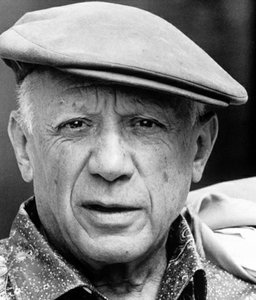
1881 - 1973 , Spanien

Master the complexities of Cubism with our expert guide. Explore the revolutionary techniques of Picasso, from Analytical to Synthetic Cubism, and learn how to curate these powerful, fragmented perspectives for your private collection.


Bleiben Sie über die neuesten Kunstnachrichten, exklusive Angebote und Dekorationsideen auf dem Laufenden.
Erzählen Sie uns von Ihrem Projekt, und unsere Kunstexperten erstellen für Sie drei personalisierte Kunstvorschläge.
Wir kuratieren 3 Optionen exklusiv für Sie – kostenlos!


 Vorschau anzeigen
 Versenden
 Teilen
 Details anzeigen

 Herunterladen
 Ähnliche Objekte
 Röntgenaufnahme
 Diashow

 Weiterlesen







 Die Glasoption ist nur für Größen unter 110 cm verfügbar.