

 Öl auf LeinwandWandkunstPost-Impressionism
 189019. Jahrhundert
 21.0 x 20.0 cm
Erwerben Sie ein hochauflösendes, optimiertes digitales Bild, das der Online-Vorschau weit überlegen ist.
Jede Datei wird von unseren hauseigenen Spezialisten mit modernsten Werkzeugen und fachmännischer manueller Retusche sorgfältig vorbereitet. Wir stellen sicher, dass jedes Bild eine außergewöhnliche Klarheit, präzise Farbgenauigkeit und feinste Details aufweist.
Die endgültige Datei wird innerhalb von 72 Stunden per E-Mail zugestellt und ist für den sofortigen Einsatz in professionellen, redaktionellen und Druckumgebungen optimiert. Es handelt sich um dieselbe Qualität, der führende Designstudios, Verlage und Galerien vertrauen.
Laden Sie eine hochauflösende Datei für die persönliche Präsentation, den Druck und kreative Projekte herunter. ( Druck kaufen Handgemaltes Gemälde kaufen)
Wenn Sie sich für BuyPopArt.com entscheiden, erhalten Sie nicht nur ein Bild – Sie erhalten ein professionell aufbereitetes digitales Kunstwerk, das mit höchster Präzision erstellt und durch eine Zufriedenheitsgarantie abgesichert wird. Hier ist alles, was automatisch mit Ihrer Bestellung geliefert wird:

Ihre hochauflösende digitale Bilddatei wird Ihnen innerhalb von 72 Stunden nach der Bestellung per E-Mail zugestellt – bereit zur sofortigen Verwendung.

Ihre Kunstwerke werden professionell mithilfe fortschrittlicher KI-Tools und manueller Bearbeitung optimiert, um maximale Detailtreue, Klarheit und Farbgenauigkeit zu gewährleisten.

Datei versehentlich gelöscht oder verloren? Keine Sorge – wir senden sie Ihnen jederzeit kostenlos erneut zu.

Genießen Sie Ihr Kunstwerk sofort ohne Zollgebühren, Einfuhrabgaben oder Versandkosten – digitale Downloads sind immer steuerfrei.

Wir garantieren, dass Ihr digitales Bild mithilfe professioneller Werkzeuge und Farbmanagement die Originalfarben so präzise wie möglich wiedergibt.

Sollten Sie mit Ihrem digitalen Bild nicht zufrieden sein, werden wir es überarbeiten oder Ihnen innerhalb von 60 Tagen 100% erstatten – ohne Wenn und Aber.

Nicht zufrieden? Erhalten Sie innerhalb von 60 Tagen nach Erhalt Ihrer digitalen Datei eine vollständige Rückerstattung – ohne Angabe von Gründen.

3 Bilder kaufen, 10% sparen – 5 Bilder kaufen, 15% sparen – Ab 10 Bildern 20% sparen. Ideal für kreative Projekte, Galerien und Agenturen.
Paul Cézanne's "Bathsheba," painted in 1890, is more than just a portrait; it’s a carefully constructed tableau vivant – a snapshot of a fleeting moment imbued with profound symbolism. This work, residing within the Post-Impressionist movement, represents a pivotal shift away from the ephemeral impressions of its predecessors and towards a deliberate exploration of form, structure, and the very essence of observation. The painting depicts two women seated before a tree, an arrangement that immediately draws the viewer into a scene brimming with quiet contemplation and subtle narrative tension.
The composition itself is remarkably restrained yet powerfully suggestive. On the left sits a woman in a state of apparent nudity, her posture relaxed and inviting. Her gaze is directed towards the other figure, while her hands rest gently on an object – perhaps a book or a small token – hinting at a shared conversation or observation. In contrast, the woman to her right is clothed, her attire suggesting a more formal role within this intimate setting. A simple bench provides a grounding element, anchoring the scene and drawing attention to the interplay between these two figures. The inclusion of two birds, perched above the seated women, adds an element of serenity and natural harmony, subtly elevating the mood.
Cézanne's approach to painting in “Bathsheba” is deeply rooted in his exploration of Post-Impressionism. Unlike the Impressionists, who sought to capture the fleeting effects of light and color, Cézanne was less concerned with replicating visual reality than with representing its underlying structure. He employed a technique known as "constructive strokes," building up forms through deliberate, geometric brushstrokes that create a sense of solidity and permanence. This is particularly evident in the depiction of the tree – not merely a backdrop but an integral element of the composition, defined by sharp angles and carefully placed planes.
The color palette is equally significant. Cézanne eschews bright, vibrant hues in favor of muted tones and subtle gradations, creating a sense of depth and atmosphere. He uses color to define form rather than simply to represent it, employing complementary colors – such as the blues and oranges – to create visual interest and enhance the three-dimensionality of the scene. This deliberate manipulation of color is characteristic of Cézanne’s broader artistic philosophy: to reveal the essential nature of his subjects through a rigorous analysis of their forms and structures.
While seemingly simple, “Bathsheba” is rich in symbolic potential. The painting draws parallels with the biblical story of Bathsheba, David’s concubine and mother of King Solomon. However, Cézanne deliberately obscures any direct reference to this narrative, allowing the scene to resonate on a more universal level. The two women can be interpreted as representing different aspects of human experience – perhaps intimacy, contemplation, or simply the quiet pleasures of companionship. The book on the bench could symbolize knowledge, conversation, or shared interests.
The positioning of the figures and the arrangement of objects within the composition create a sense of visual equilibrium, suggesting a harmonious relationship between the two women. Yet, there is also an underlying tension – a subtle awareness of their differing roles and perspectives. This duality contributes to the painting’s enduring appeal, inviting viewers to contemplate its hidden meanings and emotional resonance.
“Bathsheba” stands as a cornerstone in Cézanne's oeuvre and a pivotal work in the development of modern art. His innovative approach to painting – his emphasis on structure, form, and color—laid the groundwork for movements such as Cubism and Fauvism. Artists like Pablo Picasso were profoundly influenced by Cézanne’s exploration of perspective and spatial relationships, while Henri Matisse embraced his use of color to define form. Today, “Bathsheba” continues to captivate audiences with its quiet beauty, structural rigor, and profound symbolic depth. It remains a testament to Cézanne's genius as one of the most influential artists of the 20th century.
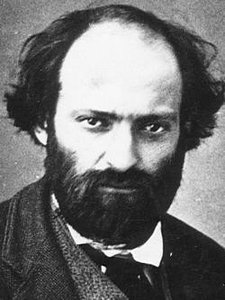
1839 - 1906 , Frankreich


Bleiben Sie über die neuesten Kunstnachrichten, exklusive Angebote und Dekorationsideen auf dem Laufenden.
Erzählen Sie uns von Ihrem Projekt, und unsere Kunstexperten erstellen für Sie drei personalisierte Kunstvorschläge.
Wir kuratieren 3 Optionen exklusiv für Sie – kostenlos!


 Vorschau anzeigen
 Versenden
 Teilen
 Details anzeigen

 Herunterladen
 Ähnliche Objekte
 Röntgenaufnahme
 Diashow
 Weiterlesen