Giclée- oder Leinwanddruck in Museumsqualität mit schneller Produktion und flexiblen Veredelungsoptionen. ( Handgemaltes Gemälde kaufen Bild kaufen)





























Wählen Sie aus unseren vordefinierten Formaten, die den ursprünglichen Proportionen des Kunstwerks entsprechen.

Sie können Ihre eigenen Maße eingeben, um ein bestimmtes Format oder einen speziellen Platz einzupassen. Wenn das von Ihnen gewählte Format nicht den Proportionen des Originalbildes entspricht, werden wir das Kunstwerk entweder beschneiden oder das Bild mit einem gespiegelten oder einfarbigen Rand erweitern. Ein digitaler Entwurf wird Ihnen zur Genehmigung zugesandt, bevor die Produktion beginnt.
Bitte beachten Sie, dass die Vorschau auf dem Bildschirm nicht den tatsächlichen Zuschnitt oder die Erweiterung widerspiegelt. Nur der Entwurf zeigt die endgültige Komposition präzise an.
Obwohl Sondermaße verfügbar sind, empfehlen wir die Auswahl eines Maßes aus der vordefinierten Liste, um die ursprünglichen Proportionen zu bewahren.
Weltweiter Versand () innerhalb von 2 Wochen statt der üblichen 4/5 Wochen. (12 August)


Boy Resting
Format der Reproduktion
Paul Cézanne (1839–1906) stands as an undeniable cornerstone of the artistic landscape transitioning from Impressionism to Cubism, marking a pivotal moment in European art history. His unwavering dedication to exploring new visual languages and challenging conventional academic standards cemented his legacy as “the father of us all,” earning him admiration from artists like Henri Matisse and Pablo Picasso.
Born in Aix-en-Provence, Cézanne’s early artistic influences stemmed from Romanticism and the Barbizon school, where he absorbed the grandeur of landscapes and the expressive power of tonal painting. However, it was his encounter with Impressionist painters—particularly Claude Monet and Camille Pissarro—that fundamentally reshaped his approach to art. Unlike Impressionists who sought to capture fleeting moments of light and color, Cézanne focused on conveying underlying structure and form, prioritizing geometric shapes and planar surfaces.
“Boy Resting,” created in 1890, exemplifies this distinctive style perfectly. The painting depicts a young boy seated outdoors, his head bowed in contemplation—a posture that speaks volumes about Cézanne’s fascination with human psychology and his desire to depict inner states alongside external appearances.
The historical context surrounding “Boy Resting” is equally important. Cézanne’s work initially faced considerable criticism from Parisian art critics who deemed it incomprehensible and lacking in aesthetic merit. Yet, fellow artists recognized his genius early on—particularly Camille Pissarro and Ambroise Vollard—who championed his artistic vision and secured him a prominent place within the burgeoning avant-garde movement.
“Boy Resting” continues to captivate viewers today with its serene atmosphere and profound contemplation of human experience. Cézanne’s unwavering commitment to exploring new modes of representation solidified his position as one of the most influential artists of the twentieth century, inspiring generations of painters and shaping the trajectory of modern art.
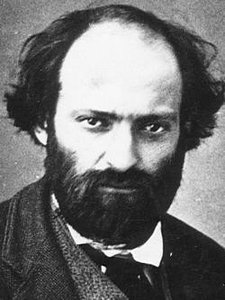
1839 - 1906 , Frankreich

Explore the profound evolution of art from Impressionism to Post-Impressionism. Discover how masters like Van Gogh revolutionized color and emotion, shaping modern art history through structural innovation and expressive technique.


Bleiben Sie über die neuesten Kunstnachrichten, exklusive Angebote und Dekorationsideen auf dem Laufenden.
Erzählen Sie uns von Ihrem Projekt, und unsere Kunstexperten erstellen für Sie drei personalisierte Kunstvorschläge.
Wir kuratieren 3 Optionen exklusiv für Sie – kostenlos!


 Vorschau anzeigen
 Versenden
 Teilen
 Details anzeigen

 Herunterladen
 Ähnliche Objekte
 Röntgenaufnahme
 Diashow

 Weiterlesen







 Die Glasoption ist nur für Größen unter 110 cm verfügbar.