Giclée- oder Leinwanddruck in Museumsqualität mit schneller Produktion und flexiblen Veredelungsoptionen. ( Zur handgemalten Reproduktion wechseln Zum Bild wechseln)





























Wählen Sie aus unseren vordefinierten Formaten, die den ursprünglichen Proportionen des Kunstwerks entsprechen.

Sie können Ihre eigenen Maße eingeben, um ein bestimmtes Format oder einen speziellen Platz einzupassen. Wenn das von Ihnen gewählte Format nicht den Proportionen des Originalbildes entspricht, werden wir das Kunstwerk entweder beschneiden oder das Bild mit einem gespiegelten oder einfarbigen Rand erweitern. Ein digitaler Entwurf wird Ihnen zur Genehmigung zugesandt, bevor die Produktion beginnt.
Bitte beachten Sie, dass die Vorschau auf dem Bildschirm nicht den tatsächlichen Zuschnitt oder die Erweiterung widerspiegelt. Nur der Entwurf zeigt die endgültige Komposition präzise an.
Obwohl Sondermaße verfügbar sind, empfehlen wir die Auswahl eines Maßes aus der vordefinierten Liste, um die ursprünglichen Proportionen zu bewahren.
Weltweiter Versand () innerhalb von 2 Wochen statt der üblichen 4/5 Wochen. (12 August)


Memory
Format der Reproduktion
René Magritte's "Memory," painted in 1948, is not merely a depiction of a statue; it’s an immersion into the unsettling realm of the subconscious, a testament to the artist’s profound engagement with themes of loss, memory, and the deceptive nature of reality. The painting immediately arrests the viewer with its stark contrast: the cold, impassive face of the marble bust, stained with a vibrant red – a color traditionally associated with passion, violence, and, crucially, blood – against the muted tones of the cloudy sky and the delicate pink of the roses. This juxtaposition creates an immediate tension, forcing us to confront uncomfortable questions about representation and the fragility of recollection.
Magritte was a key figure in the Surrealist movement, yet his approach differed from the overtly fantastical works often associated with the group. “Memory” exemplifies his meticulous attention to detail and his ability to create unsettling effects through seemingly ordinary subjects. The composition is carefully constructed; the roses, placed strategically in the foreground, serve as both focal points and symbols of beauty amidst decay. Their presence suggests a futile attempt to preserve or embellish a painful memory. The ball, positioned near the right edge, adds another layer of ambiguity – perhaps representing a lost opportunity, a sphere of influence, or simply an object caught within the confines of recollection.
Magritte’s technique is characterized by precise brushwork and a masterful use of light and shadow. He employed oil paints with a delicate touch, building up layers to achieve a smooth, almost polished surface – a characteristic feature of his work. This meticulousness contrasts sharply with the unsettling subject matter, further enhancing the painting's impact.
The image of the statue’s face, obscured by the red stain, is deeply rooted in Magritte’s personal history. The suicide of his mother, a recurring motif in his work, undoubtedly informed this piece. The veiled figure can be interpreted as a representation of suppressed grief or the inability to fully confront painful memories. Painted in 1948, “Memory” reflects the post-war anxieties and disillusionment prevalent at the time. The painting’s exploration of psychological states aligns with the broader Surrealist interest in exploring the irrational and unconscious mind.
Furthermore, Magritte's work engages with the philosophical debates surrounding perception and representation that were gaining momentum in the mid-20th century. He challenges the viewer to question what they see – is it a faithful reflection of reality, or merely an illusion constructed by the artist’s hand and our own subjective interpretations?
"Memory" possesses a haunting beauty that transcends its unsettling subject matter. It evokes a profound sense of melancholy and invites contemplation on the nature of memory, loss, and the enduring power of the past. This reproduction captures Magritte’s meticulous technique and vibrant color palette, offering an authentic representation of this iconic work. It is a piece perfect for collectors seeking to own a significant example of Surrealist art or for interior designers looking to introduce a touch of enigmatic beauty into their spaces – a reminder that even in the face of darkness, there can be a strange and compelling allure.
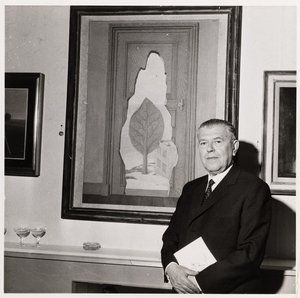
1898 - 1967 , Belgien

Dive into the visceral world of Surrealist Expressionism. Explore how dream logic meets raw emotion through a visual journey of iconic techniques, post-war history, and bold aesthetics to transform your modern space with high-impact, unforgettable art.


Bleiben Sie über die neuesten Kunstnachrichten, exklusive Angebote und Dekorationsideen auf dem Laufenden.
Erzählen Sie uns von Ihrem Projekt, und unsere Kunstexperten erstellen für Sie drei personalisierte Kunstvorschläge.
Wir kuratieren 3 Optionen exklusiv für Sie – kostenlos!


 Vorschau anzeigen
 Versenden
 Teilen
 Details anzeigen

 Herunterladen
 Ähnliche Objekte
 Röntgenaufnahme
 Diashow

 Weiterlesen







 Die Glasoption ist nur für Größen unter 110 cm verfügbar.