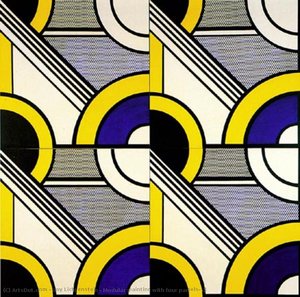
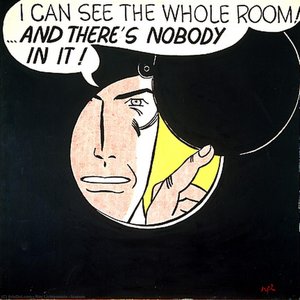
Giclée- oder Leinwanddruck in Museumsqualität mit schneller Produktion und flexiblen Veredelungsoptionen. ( Handgemalte Reproduktion bestellen Bild kaufen)





























Wählen Sie aus unseren vordefinierten Formaten, die den ursprünglichen Proportionen des Kunstwerks entsprechen.

Sie können Ihre eigenen Maße eingeben, um ein bestimmtes Format oder einen speziellen Platz einzupassen. Wenn das von Ihnen gewählte Format nicht den Proportionen des Originalbildes entspricht, werden wir das Kunstwerk entweder beschneiden oder das Bild mit einem gespiegelten oder einfarbigen Rand erweitern. Ein digitaler Entwurf wird Ihnen zur Genehmigung zugesandt, bevor die Produktion beginnt.
Bitte beachten Sie, dass die Vorschau auf dem Bildschirm nicht den tatsächlichen Zuschnitt oder die Erweiterung widerspiegelt. Nur der Entwurf zeigt die endgültige Komposition präzise an.
Obwohl Sondermaße verfügbar sind, empfehlen wir die Auswahl eines Maßes aus der vordefinierten Liste, um die ursprünglichen Proportionen zu bewahren.
Weltweiter Versand () innerhalb von 2 Wochen statt der üblichen 4/5 Wochen. (14 August)


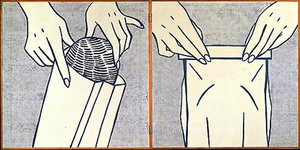
Breadbag
Format der Reproduktion
Roy Lichtenstein's "Breadbag," painted in 1961, isn’t a grand statement or a complex allegory; it’s deceptively simple. Yet, within its stark black and white palette and precise execution lies a potent distillation of the Pop Art movement’s core tenets – an interrogation of mass culture through the lens of familiar imagery. The artwork depicts two hands, rendered with bold, graphic lines characteristic of Lichtenstein's style, engaged in the mundane act of folding a paper bag containing bread. It’s a scene utterly devoid of drama or narrative, yet profoundly evocative of the era and the artist’s unique approach to representation.
The painting’s power resides in its meticulous detail and deliberate flatness. Lichtenstein consciously rejected traditional notions of illusionistic depth, opting instead for a style that mimicked the look of commercial printing – specifically, the flat, colored areas and Ben-Day dots found on comic books and advertisements. This technique, borrowed from the world of mass production, elevates an ordinary domestic task to the level of art. The thick outlines defining the hands and bag aren’t meant to create a realistic image; they are deliberately stylized, emphasizing the graphic nature of the work and echoing the visual language of advertising and popular culture.
“Breadbag” exemplifies Lichtenstein's signature Pop Art style with remarkable clarity. The limited color palette – a stark contrast between black and white – immediately draws attention to the composition’s structure and the precision of the lines. The hands, simplified into geometric shapes, are rendered with an almost mechanical accuracy, reflecting the artist’s fascination with industrial processes and consumer goods. Notice how Lichtenstein utilizes subtle variations in tone within the black areas, creating a sense of texture that mimics the appearance of printed paper. This attention to detail, combined with the deliberate flatness of the image, reinforces the artwork's connection to its source materials – commercial printing and mass-produced imagery.
The painting’s construction is remarkably straightforward. Lichtenstein likely employed oil paint on canvas, applying it in layers to achieve the desired effect. The use of Ben-Day dots, though subtle here, would have been a key element in creating the image's characteristic mottled appearance – a technique borrowed from comic book printing that adds visual interest and simulates the effects of halftone patterns.
While seemingly innocuous, “Breadbag” can be interpreted as a subtle critique of consumer culture. By focusing on such a commonplace activity—the simple act of preparing food—Lichtenstein forces us to consider the pervasiveness of packaging and the way in which everyday objects are transformed into symbols of consumption. The repetitive nature of the hands folding the bag mirrors the relentless cycle of production and consumption that defined much of 1960s America. The artwork’s stark simplicity serves as a reminder of the often-overlooked beauty and significance found within the mundane aspects of daily life.
Reproductions of “Breadbag” offer a compelling way to experience Lichtenstein's artistic vision. BuyPopArt’s hand-painted reproductions capture the essence of the original, faithfully recreating the bold lines, limited color palette, and subtle textures that define this iconic work. Whether displayed in a contemporary interior or as a collector’s piece, “Breadbag” continues to resonate with viewers today, serving as a testament to Lichtenstein's innovative approach to art and his enduring influence on Pop Art.
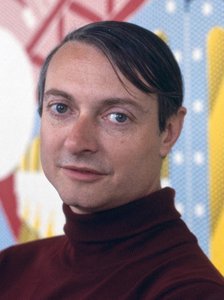
1923 - 1997 , Vereinigte Staaten von Amerika
Entdecken Sie die 10 legendärsten Akrylmalereien, die Kunstgeschichte schrieben! Von Jackson Pollock bis Gerhard Richter – erfahren Sie die Geschichten hinter den Meisterwerken und finden Sie hochwertige Reproduktionen für Ihr Zuhause. Jetzt bei entdecken!
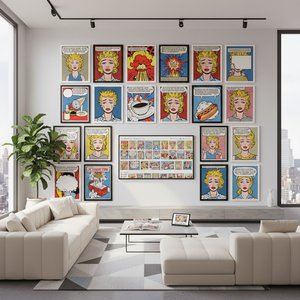
Entdecken Sie die 25 ikonischsten Meisterwerke von Roy Lichtenstein! Tauchen Sie ein in die Welt der Pop Art, lernen Sie die Geschichten hinter den berühmten Gemälden und finden Sie perfekte Kunstreproduktionen für Ihr Zuhause. Jetzt auf BuyPopArt.com entdecken!

Entdecken Sie die faszinierende Welt monochromer Innenräume! Expertenwissen zu Farbpsychologie, Lichtgestaltung & Materialwahl für elegante, zeitlose Designs. Inspiration & Fallstudien.
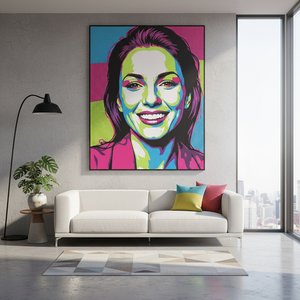
Handgemalte Pop Art Gemälde von BuyPopArt – erschaffen Sie Ihr persönliches Meisterwerk! Individuelle Kunstwerke im Warhol-Stil, höchste Qualität & 100% Zufriedenheitsgarantie. Jetzt gestalten!
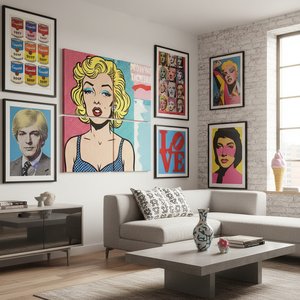
Entdecken Sie die 10 Meisterwerke der Pop Art! Von Warhol bis Lichtenstein – erfahren Sie die Geschichten hinter ikonischen Gemälden, Techniken & Farben. Museumsgalerie-Qualität bei entdecken.


Bleiben Sie über die neuesten Kunstnachrichten, exklusive Angebote und Dekorationsideen auf dem Laufenden.
Erzählen Sie uns von Ihrem Projekt, und unsere Kunstexperten erstellen für Sie drei personalisierte Kunstvorschläge.
Wir kuratieren 3 Optionen exklusiv für Sie – kostenlos!


 Vorschau anzeigen
 Versenden
 Teilen
 Details anzeigen

 Herunterladen
 Ähnliche Objekte
 Röntgenaufnahme
 Diashow

 Weiterlesen







 Die Glasoption ist nur für Größen unter 110 cm verfügbar.