PreviewPreview Druck bestellen Druck bestellenGemälde kaufen Gemälde kaufen VersendenVersenden
Details anzeigenDetails anzeigen Zu Favoriten hinzufügen Zu Favoriten hinzufügen HerunterladenHerunterladen Ähnliche ObjekteÄhnliche Objekte RöntgenaufnahmeRöntgenaufnahme Diashow anzeigenDiashow anzeigen

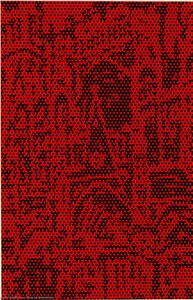
Rete 2

  • Entstehungsdatum2017
  • Abmessungen25.0 x 33.0 cm

Ettore Sottsass (1917-2007) was a revolutionary Italian architect & designer known for pioneering postmodernism with the Memphis Group. His bold colors, geometric forms, and playful furniture challenged conventions and continue to inspire.

Erwerben Sie ein hochauflösendes, optimiertes digitales Bild, das der Online-Vorschau weit überlegen ist.

Jede Datei wird von unseren hauseigenen Spezialisten mit modernsten Werkzeugen und fachmännischer manueller Retusche sorgfältig vorbereitet. Wir stellen sicher, dass jedes Bild eine außergewöhnliche Klarheit, präzise Farbgenauigkeit und feinste Details aufweist.

Die endgültige Datei wird innerhalb von 72 Stunden per E-Mail zugestellt und ist für den sofortigen Einsatz in professionellen, redaktionellen und Druckumgebungen optimiert. Es handelt sich um dieselbe Qualität, der führende Designstudios, Verlage und Galerien vertrauen.

Digitales Kunstwerk

Laden Sie eine hochauflösende Datei für die persönliche Präsentation, den Druck und kreative Projekte herunter.

Endpreis

$9.99

In jeder Bestellung digitaler Bilder enthalten

Professionelle digitale Bereitstellung, garantiert

Wenn Sie sich für BuyPopArt.com entscheiden, erhalten Sie nicht nur ein Bild – Sie erhalten ein professionell aufbereitetes digitales Kunstwerk, das mit höchster Präzision erstellt und durch eine Zufriedenheitsgarantie abgesichert wird. Hier ist alles, was automatisch mit Ihrer Bestellung geliefert wird:

shipping_icon
Schnelle E-Mail-Zustellung

Ihre hochauflösende digitale Bilddatei wird Ihnen innerhalb von 72 Stunden nach der Bestellung per E-Mail zugestellt – bereit zur sofortigen Verwendung.

canvas_icon
KI-optimierte digitale Datei

Ihre Kunstwerke werden professionell mithilfe fortschrittlicher KI-Tools und manueller Bearbeitung optimiert, um maximale Detailtreue, Klarheit und Farbgenauigkeit zu gewährleisten.

insurance_icon
Kostenloser lebenslanger erneuter Versand

Datei versehentlich gelöscht oder verloren? Keine Sorge – wir senden sie Ihnen jederzeit kostenlos erneut zu.

tax_icon
Keine Einfuhrgebühren – jemals

Genießen Sie Ihr Kunstwerk sofort ohne Zollgebühren, Einfuhrabgaben oder Versandkosten – digitale Downloads sind immer steuerfrei.

color_icon
Garantierte Farbtreue

Wir garantieren, dass Ihr digitales Bild die Originalfarben mithilfe professioneller Werkzeuge und Farbmanagement so präzise wie möglich wiedergibt.

return_icon
60-Tage-Zufriedenheitsgarantie

Sollten Sie mit Ihrem digitalen Bild nicht zufrieden sein, werden wir es überarbeiten oder Ihnen innerhalb von 60 Tagen 100% erstatten – ohne Wenn und Aber.

guarantee_icon
100% Geld-zurück-Garantie

Nicht zufrieden? Erhalten Sie innerhalb von 60 Tagen nach Erhalt Ihrer digitalen Datei eine vollständige Rückerstattung – ohne Angabe von Gründen.

discount_icon
Rabatte bei Großbestellungen

3 Bilder kaufen, 10% sparen – 5 Bilder kaufen, 15% sparen – Ab 10 Bildern 20% sparen. Ideal für kreative Projekte, Galerien und Agenturen.

Details zum Sammlerstück

The design is just a few of the many patterns Sottsass developed for Abet Laminati, the Italian plastic laminate manufacturer. Sottsass began experimenting with the material on his Superboxes in 1966, and he designed trade fair booths for Abet in 1970. The laminates became the main palette from which Memphis designers based their furniture veneers and textiles. The pattern derives from common, everyday materials and objects: terrazzo, chain link, and sponges.

Biografie des Künstlers

A Life in Color: The Radical Vision of Ettore Sottsass

Ettore Sottsass, born in Innsbruck, Austria, in 1917, was more than just a designer; he was a cultural provocateur who shattered the conventions of mid-century modernism. His journey began steeped in architectural tradition—his father, also named Ettore Sottsass, was a prominent figure within Italy’s rationalist architecture movement. Growing up in Turin during the rise of Fascism, young Sottsass absorbed the principles of functional design but would ultimately rebel against its austere rigidity. His early education at Politecnico di Torino provided a solid foundation, yet his path took an unexpected turn with military service during World War II, experiences he later recounted in his autobiography *Scritto di notte*. This period, marked by conflict and disillusionment, profoundly shaped his artistic sensibility, instilling a desire to break free from established norms. After the war, he established his own studio in Milan, embarking on an exploration of form, color, and material that would define his career.

From Olivetti to Global Tools: A Developing Aesthetic

Sottsass’s initial foray into design was largely within the realm of industrial production. His long association with Olivetti, beginning in 1958, proved pivotal. He wasn't merely designing typewriters and office equipment; he was imbuing them with personality, transforming utilitarian objects into expressions of pop culture vibrancy. The Valentine typewriter (1968), a bright red icon, stands as a testament to this approach—a playful challenge to the seriousness often associated with technology. However, Sottsass’s creative spirit extended beyond corporate commissions. He simultaneously pursued independent projects in ceramics, glasswork, and jewelry, experimenting with bold colors, geometric forms, and a growing fascination with ancient cultures. This period saw him involved in several avant-garde groups—Global Tools, Studio Alchimia—each contributing to the development of his unique aesthetic. He sought to infuse everyday life with joy and sensuality, rejecting the cold functionality that had dominated post-war design.

The Memphis Group: A Revolution in Design

In 1981, Sottsass founded the Memphis Group, a collective of designers who launched a full-scale assault on the established order. Named after Bob Dylan’s song “Like a Rolling Stone,” Memphis was characterized by its exuberant use of color, pattern, and unconventional materials—laminates, plastics, and terrazzo were embraced with unapologetic boldness. The Carlton Room Divider (1981), perhaps the group's most iconic creation, became a symbol of postmodern defiance. It wasn’t about creating “good taste”; it was about challenging the very notion of taste itself. Memphis designs weren’t intended to blend seamlessly into domestic interiors; they were meant to provoke, disrupt, and stimulate conversation. The movement, though relatively short-lived, had an immeasurable impact on design history, paving the way for a more pluralistic and expressive approach.

Beyond Furniture: A Holistic Vision

While often celebrated for his furniture designs, Sottsass’s creative output was remarkably diverse. He worked extensively in architecture, designing retail spaces for Esprit and private residences that reflected his playful sensibility. He also created glass objects, ceramics, jewelry, textiles, and paintings—each medium serving as a platform for exploring his core themes: the relationship between form and function, the power of color, and the influence of ancient cultures. His later work saw a shift towards more refined craftsmanship, utilizing precious materials like wood and metal to create pieces that were both sculptural and functional. He wasn’t simply designing objects; he was creating environments—total works of art that encompassed every aspect of daily life.

A Lasting Legacy: The Enduring Influence of Sottsass

Ettore Sottsass died in Milan in 2007, leaving behind a prolific body of work that continues to inspire designers today. His rejection of modernist dogma and his embrace of playful experimentation revolutionized the field, paving the way for a more inclusive and expressive design landscape. His influence can be seen in everything from contemporary furniture to graphic design and fashion. He demonstrated that design could be both intellectually rigorous and emotionally engaging—a powerful force for social change and cultural expression. Sottsass’s legacy is not simply about the objects he created, but about the freedom he championed—the freedom to challenge conventions, embrace individuality, and celebrate the beauty of imperfection. His work remains a potent reminder that design should be more than just functional; it should be a reflection of our deepest desires and aspirations.

Kurzinfos

  • Artistic Movement Or Style: Postmodernism
  • Artists Or Movements Influenced By This Artist: ['Memphis Group']
  • Date Of Birth: September 14, 1917
  • Date Of Death: December 31, 2007
  • Full Name: Ettore Sottsass
  • Nationality: Italian
  • Notable Artworks:
    • Carlton Room Divider
    • Valentine Typewriter
    • Elea 9003 Computer
  • Place Of Birth: Innsbruck, Austria